The Boycott of Residents of Tsovagyugh and Semyonovka Was in Vain: ‘Zhoghovurd’
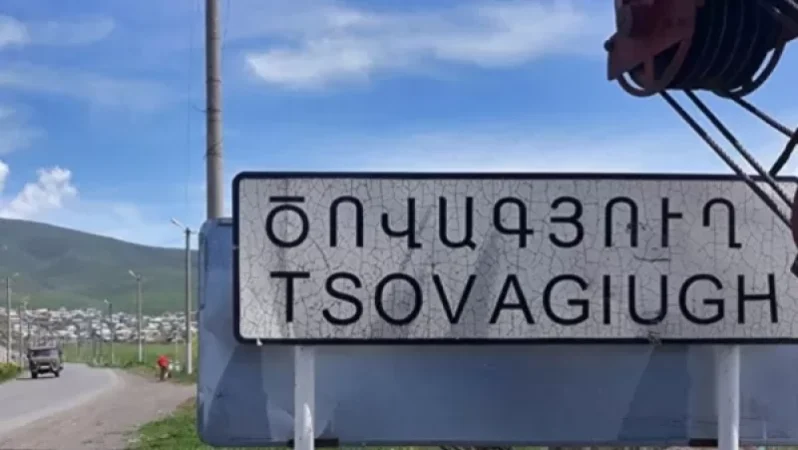
‘Zhoghovurd’ newspaper reports: "The boycott organized by the residents of Tsovagyugh and Semyonovka villages in Gegharkunik province was in vain. It should be noted that the residents of these villages unanimously did not participate in the local government elections held on December 5, as they are against the unification and enlargement of communities.
‘Zhoghovurd’ visited Tsovagyugh yesterday and spoke with the residents. They expressed that they do not want their village to join the Sevav community, but they do not oppose the merger of Tsovagyugh with the Semyonovka community. Although the residents of Tsovagyugh believe that their issue was resolved by not participating in the elections, in reality, this is not the case. The Chairman of the Central Electoral Commission of Armenia, Tigran Mukuchyan, commented on this matter in an interview with ‘Zhoghovurd’, stating: 'The number from the polling stations in those villages, which is 0, will simply be added to the numbers recorded from other polling stations. This is a procedure. The enlargement took place earlier; no enlargement is taking place with these elections.'
He added, 'The law was passed earlier, and the communities were enlarged, after which local self-government elections were assigned in these communities. These villages are already part of the enlarged communities. Yesterday's elections have nothing to do with the enlargement of communities; the enlargement is carried out by law. Tsovagyugh and Semyonovka are part of Sevan, regardless of whether the residents participated in the voting yesterday.'
Thus, although the boycott of Tsovagyugh residents was effective and their unity was commendably displayed, it was already pointless since Tsovagyugh has been enlarged. It should be noted that the Government of Armenia had approved amendments to the law on administrative-territorial division on September 8. On September 24, during an extraordinary session of the National Assembly, the project became law, and elections were held in all 37 forming communities, even before the term of the community leader had expired, conducted by party lists."
Նմանատիպ հոդվածներ
Ավելին Incidents բաժնից
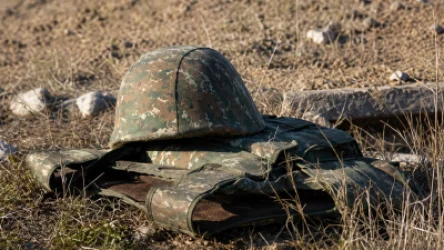
Մահացած զինծառայողի դեպքով 2 զինծառայող է ձերբակալվել. ArmLur.am
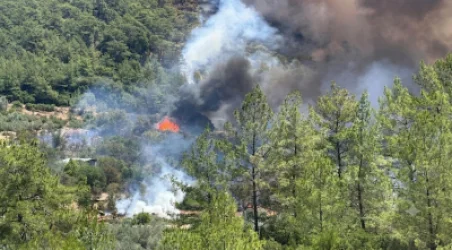
Թուրքիայում խոշոր անտառային հրդեհ է բռնկվել․ տարհանվել են բնակիչներ
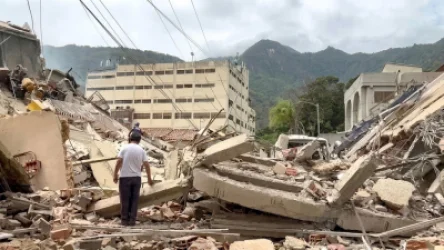
Վենեսուելայում տեղի ունեցած ավերիչ ցնցումների պատճառով զոհված քաղաքացիների քանակը հասել է 5,346-ի