‘That advertisement is everywhere’: Tigran Hakobyan proposes a 2-3 year postponement of the gambling advertising ban for media
The advertising market was severely shaken due to the pandemic and war. Many television companies have been forced to reduce programming and staff, also accumulating debts. Financial problems may be exacerbated by the legislation banning gambling advertising.
According to data from the Television and Radio Commission, TV and radio companies broadcasting in the public multiplex and FM range could lose up to 15% of their advertising revenue under this law (over three years, this revenue has amounted to about 900 million AMD annually).
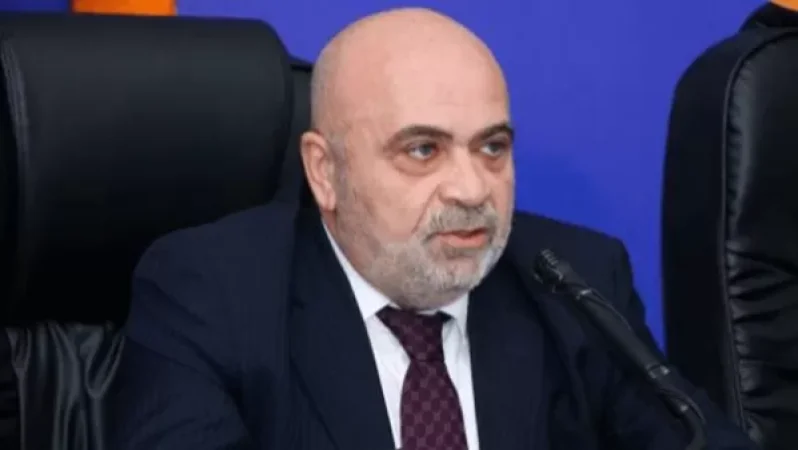
Head of the RTR Commission Tigran Hakobyan has proposed to postpone the gambling advertising ban for licensed media for 2-3 years. However, he simultaneously emphasizes practically utilizing the broadcasting sphere to combat the disastrous consequences of gambling.
This was reported by Media.am, where Tigran Hakobyan stressed that licensed TV and radio companies should be allies of the state, as they are obligated by law to dedicate 20% of their airtime to public-benefit content such as educational, cultural, social, and child-related programs. Other media outlets do not have such obligations.
The state can promote cooperation with broadcasters, including through state orders. Will a temporary suspension of the gambling advertising ban be a solution? At the very least, it would help to find solutions and provide time for television companies in the public multiplex to look for new sources of income.
Last year, they submitted a competitive proposal based on a seven-year development plan, which also relied on calculations of revenue from advertising. A drastic change in the rules of the game would impact channel planning and content.
In reality, gambling is widespread and has horrific consequences. Yes, but fighting against gambling is ineffective solely through an advertising ban. Gambling advertising is everywhere, and television is one of the weakest means of spreading it.
The internet, city billboards, and advertising panels, as well as the metro are saturated with advertisements from bookmakers and calls to place bets. The commission has studied the experiences of several countries where large-scale and well-developed national programs against gambling operate, consisting of various components and participants. We have taken only one of those components.
I am confident that public multiplex resources can be utilized more effectively to organize a nationwide campaign against gambling. And not only through social clips but also through series and educational programs.
The RTR has analyzed the advertising market over the last three years. What volume of gambling advertising existed? Advertising for gambling is hard to quantify, as in addition to direct advertising, there is also hidden advertising through product placements. There have also been commercial programs sponsored by gambling companies. But it is very difficult for us to quantify that amount.
In 2019, total advertising for gambling exceeded 1 billion AMD. The main advertisers are five: AjaraBet, Toto, InterLoto, Vivaro (with nearly half of the circulating money attributed to Vivaro). In 2020, revenue from gambling advertising was around 700 million AMD, while in 2021 (up to November 1) it was 658 million AMD.
Although that amount has decreased, the issue is that the overall advertising market has decreased even more. If in 2020 1 billion accounted for 7% of total advertising, then in 2020, 716 million amounts to 15%. This means the share of income from gambling has increased considerably.
If we exclude this income from the television and radio market, we make it harder for broadcasters to meet their licensing obligations and decrease the quality of content on air.
It is crucial to understand that online media and websites have no legal obligations to create public-benefit content. This is why the RTR’s proposal is to make an exception specifically for licensed media.
So, does the state have obligations, or is everything a matter of self-regulation? Various states are attempting to provide incentives for producing and distributing public and quality programs. For instance, they can exempt from the annual fee or reduce the amounts paid for broadcasting signals.
There are also state funds that reimburse television companies operating in the multiplex for distributing quality content through tenders. We lack such tools.
Let me deviate slightly from the topic to explain why I single out the public multiplex and argue that special attention should be paid to broadcasters operating in this sphere. See, the goal of creating public multiplexes worldwide has been to satisfy citizens' right to information. Everyone pays for obtaining information—through subscriptions to cable networks, newspapers, internet access, etc. Only the public multiplex is the platform where information streams reach the audience for free.
In this way, the state emphasizes its priorities—educational, cultural, social, entertainment, and more. This implies that the public multiplex should consist of channels that provide the informational accompaniment of state and community activities. And television companies are also well aware that by obtaining the right to broadcast in the multiplex, they are obliged to serve the public interest.
Let me reiterate this ideology of the public multiplex. However, when the digital multiplex was created in 2010 in our country, that principle was not maintained. The slots were 'devoted' to political forces or individuals loyal to the government, serving the interests of parties and the ruling authorities.
As a result, our only multiplex includes propaganda tools as well. This fundamental mistake is very challenging to rectify. Moreover, I would add that the reduction of advertising revenues primarily impacts television stations that consider their operations as a business, with the activities of propaganda media funded by private owners.
Is it possible for any TV company to be penalized or deprived of its license for violating broadcasting obligations—ethical ones as well? Any television company that has won the slot in the multiplex with its competitive proposal undertakes a series of obligations under the ‘Audiovisual Media’ law adopted last year, which have become an inseparable part of the licensing contract. This means that what they promised (content-wise, technically, financially) must primarily be fulfilled.
The public multiplex is a limited resource where there are already licensing requirements and constraints. Now we are preparing the passports of television companies by collecting their proposed obligations and their current editorial policies. Simply put, what programs and images they have promised and what they have done and are doing.
Ultimately, we do not doubt that medicines have licensing restrictions to reduce health risks. But we forget that information can also be dangerous. How can, for example, a television company operating in the public multiplex broadcast content from people talking about vaccine microchipping, dangers of 5G stations, and other conspiracy theories? In such cases, we have the authority to temporarily suspend broadcasts until the television company corrects its shortcomings.
However, I believe no one doubts that in such a case, the media that entirely fails to meet its obligations will make considerable noise claiming violations of freedom of speech.
Նմանատիպ հոդվածներ




Ավելին Society բաժնից

Մահվան ելքով վրաերթ Երևանում Իսակովի պողոտայի կամրջի վրա

ՏԵՍԱՆՅՈՒԹ. Եկամուտների տարեկան հայտարարագիրը կարելի է լրացնել նաև այլ անձի միջոցով․ ՊԵԿ-ը նոր կարգավորում է ներկայացրել

Երևանում մինչև +37°C․ Սուրենյանը ներկայացրել է առաջիկա օրերի եղանակը