I Don't Think Voters Will Change Radically in 5.5 Months: 'Aravot'
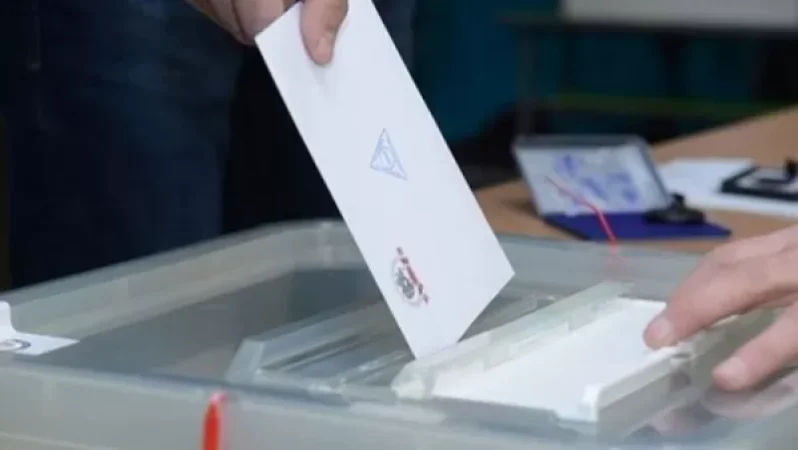
The editorial of the 'Aravot' newspaper states: 'I observe a certain enthusiasm within the opposition regarding the results of the December 5 local elections. From the voting results, a conclusion is drawn that the government's approval rating has fallen, as in the communities where the government won in the previous parliamentary elections, the ruling party has now lost. I cannot say anything about the rating; even if sociological surveys are conducted, we still won’t believe them. However, I think it is wrong to deduce one from the other. It is impossible to take the results of local elections and say, 'This is how people will vote in national elections.' Different patterns operate here.
Let's imagine a typical voter who voted for the ruling power on June 20. Let's assume this is a woman aged 50-60, who says, 'If the Turk comes and enters my house, kills my grandchildren, I still want to support Pashinyan.' Therefore, for such a voter, the 'Pashinyan vs. non-Pashinyan' dichotomy is crucial. However, she may not care about the abbreviation 'RPA'; the KPA candidate for her community might be unfamiliar to her, but there is a high likelihood that she will vote for the 'Poghos Petrosyan' or 'Petros Poghosyan' alliance, as she knows or appreciates the work of this Poghos or Petros personally. This does not mean that in national elections this voter will not cast her vote for the list led by Pashinyan. As much as voters may formally support party lists in local elections, the process in its content is not partisan.
As an example, let me mention the Nairi community, where I live. Here, preliminary data shows that the maximum 44.94% was received by the 'Reorganized Social-Democratic Hunchakian' party. I assume that very few residents of Eghvard and the surrounding villages know what social democracy is or who the Hunchaks are, especially the 'reorganized' ones. They voted for the current head of the Eghvard community, who is indeed performing well, and, by the way, the consolidation carried out in 2017 recorded some positive shifts. It is noteworthy, of course, that Noyar Sargsyan preferred not to have any ties with any ruling or well-known opposition party. But again, the results of these elections do not imply that a majority in the Nairi community will not choose Pashinyan again in parliamentary elections. I do not think that voters will change radically in 5.5 months. As for why a voter thinks it is better for the Turk to slaughter her grandchildren than for Pashinyan to remain in power, that is a subject for separate analysis. This analysis must be carried out dispassionately, without offending the voter, as impossible as that may seem.'
For more details, refer to today’s issue of the newspaper.
Նմանատիպ հոդվածներ
Traffic Congestion at Yerevan Bus Stops as Drivers Stage Boycott

19-Year-Old Soldier Who Died from Gunshot Wound Had Returned from Russia to Serve

“If Alen is not here, the black dog will be faint.” Arsen Ghukasyan reacts to Gurgen Arsenyan's remarks
Provocation Towards Armenian Positions: Azerbaijani Side Reports Casualty
Ավելին Society բաժնից

Փամբակ գետն ընկած քույրերի որոնումները վերսկսել են. ինչ է հայտնի
Սիփան Փաշինյանը՝ Տավուշի մարզպե՞տ․ «Հրապարակ»
Որտե՞ղ է ընտրական արդարությունը. «Փաստ»