What Follows from This Document: The News Outlet’s Inquiry to the Deputy Prime Minister

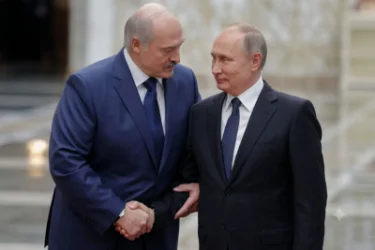
As a result of the trilateral meeting between Pashinyan, Aliyev, and Putin held in Sochi, it was decided to form an intergovernmental commission for the delimitation and demarcation of borders. Hraparak.am has inquired with Armenia's Deputy Prime Minister Mher Grigoryan about the formation of this commission, who will be included in its composition, and whether he will be part of it as the Deputy Prime Minister.
“At this moment, I do not have an answer to that question; yes, the parties have agreed to clarify the mechanism by the end of the year, but the composition and status will also depend on the mechanism. Right now, I do not have an answer to that question,” stated Mher Grigoryan, who is also a member of the intergovernmental commission on unblocking issues, and added that their commission's work will continue.
- So what follows from this document, Mr. Grigoryan? Will the issue of the corridor or the road through Syunik be discussed or not?
- I think it is even more evident to you that no extraterritorial issues related to roads will be discussed and have not been discussed. In the sense that the question pertains to corridors, I reaffirm that there will be no such thing. In the case of unblocking roads, both the railway and road traffic will operate under the full jurisdiction and sovereignty of the Republic of Armenia.
- Will they not be monitored by Russian peacekeepers?
- The participation of peacekeepers in the security oversight of the roads is not being discussed at all. There are currently no discussions related to border issues; if necessary, they will be discussed.
- In that case, how do we understand that immediately after the meeting, Ilham Aliyev tweeted that the Zangezur corridor has already become a reality? We regularly announce that there will be no Zangezur corridor, while the Azerbaijani side continuously insists on the corridor.
- Yes, but I believe the final result is more important. When there is a final result or if there is a final result, those evaluations will be easily made. The Zangezur corridor or granting a corridor... in reality, I do not even want to discuss that question because it is impossible.
- So what can we conclude from the Sochi meeting? What was its main outcome?
- I think the main outcome was, above all, that it was reaffirmed at that level what I have said many times, including to you, that there will be no corridor and there will be no issues related to jurisdiction and/or sovereignty concerning the routes and roads.
- You say there will be no corridor, but there will be roads. It feels like this is merely a play on words here—under the guise of roads, a corridor will be granted.
- No, Vahé, you as a journalist at your level are obliged to clearly understand the significant difference between what a simple road means and what differs from a corridor because it is stated, including in the statement of November 9, what is meant by a corridor and what the parties have in mind. Secondly, roads pass through all countries around the world, and those roads carry cargo and passenger vehicles from other countries; what does it mean that corridors are divided all over the world?
- Could you physically indicate which area this anticipated corridor should traverse? Through Meghri? And what are those roads they will be using; are they our roads in the Syunik region that are subject to discussion?
- I want to tell you again that concerning the railway, the discussion is exclusively about the restoration of the railway routes from the Soviet period and the sequence or chronology of their operation.
- So, are you referring to the railway going from Yeraskh through Nakhchivan to Meghri and towards Baku?
- Yes, all of them, including the Yeraskh-Nakhchivan railway. That relates to the railway. Regarding the automobiles, we still do not have a final picture of which roads may be used by us to go to Russia or other countries through Azerbaijan, and from Azerbaijan to Nakhchivan.
- Has the issue about the Goris-Kapan highway been discussed, allowing that highway, which is currently occupied by Azerbaijanis, to be fully utilized by us?
- To be honest, I haven't participated in the actual discussion, and I do not have a complete grasp of the questions, so I cannot answer that question right now.
- Do you think that when you talk about the unblocking of roads, that also implies that the Goris-Kapan road should be unblocked and allowed for free use by us?
- I believe that all possible roads should be discussed, and specific solutions should be provided for all possible roads in certain phases.
- As for the payments, is there any discussion about who will pay how much for the use of these roads and transit?
- I will answer that question as follows: there is a record that the payments and conditions will be parity-based, and in that sense, there have not yet been detailed discussions regarding the amounts and conditions, but discussions will definitely take place because our agreements will imply customs, border, phytosanitary, and other types of controls, which also entail prices and conditions accepted in international practice.
- On the Goris-Kapan highway, where Azerbaijanis have set up a checkpoint, they charge Iranian drivers 250 and 150 dollars for vehicles carrying oil products, and for other goods, about 130 dollars. Is this normal? What are these amounts? Why are they so high when, for instance, it is less expensive to cross through Georgia?
- Frankly speaking, I cannot yet comment on that part because I honestly do not fully understand the logic behind what was done from top to bottom. But yes, that question should also be studied, and we should understand it in that sense.
Նմանատիպ հոդվածներ
Moscow Confirms the Tripartite Meeting of Pashinyan, Putin, and Aliyev in Sochi
Pashinyan-Putin-Aliyev Meeting to Take Place: Bagramyan26
What Caused the Parliamentary Brawl? Which MPs Are at the Center of the Incident?
Members of the Border Demarcation Commission Arrive in Armenia on Russian Defense Ministry Plane
Ավելին Politics բաժնից
Բուրկինա Ֆասոն խզեց դիվանագիտական հարաբերությունները Ֆրանսիայի հետ
Իրանը հուսահատորեն ցանկանում է համաձայնագիր. Թրամփ
Իրանը փորձում է մեզ ուժով դուրս մղել. Նեթանյահուի կոշտ հայտարարությունը