David Shahnazaryan Highlights the Dangers of the Document Signed in Sochi
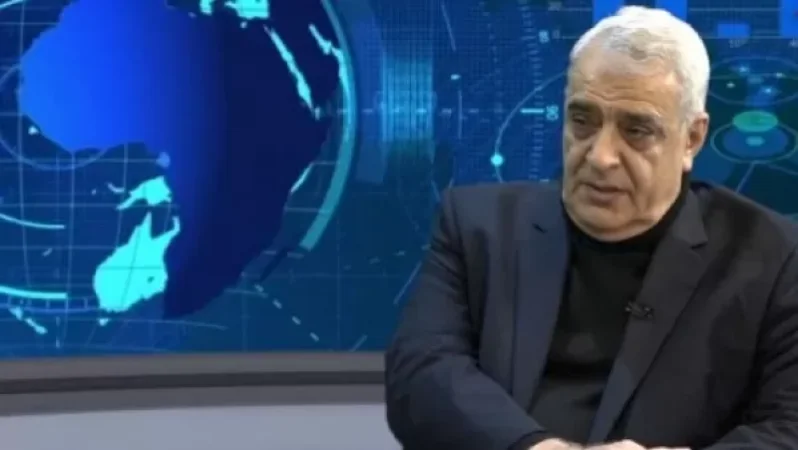
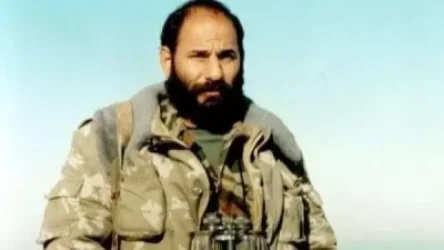
The document signed in Sochi by the Prime Minister of Armenia and the Presidents of Russia and Azerbaijan is absolutely not advantageous for Armenia; rather, it benefits the current leadership of Armenia—deemed a capitulator. This statement was made by former Director of the NSS of Armenia, David Shahnazaryan, during a live broadcast on Factinfo.
The incumbent Prime Minister has never represented Armenia's interests and continues to fail in this regard. During the trilateral meeting, the Prime Minister employed the terms related to hostages and the detained but did not use the term 'prisoners of war.' Furthermore, he contradicted himself by stating to Aliyev that not all points had been implemented, and this particular point has also not been fulfilled. The declaration mentions the unmet clauses from the statements of November 9, 2020, and January 11, 2021, and then enumerates these points, yet nothing is mentioned regarding this matter. All Azerbaijan's demands are reflected in this document (referring to the one signed yesterday),” Shahnazaryan stated.
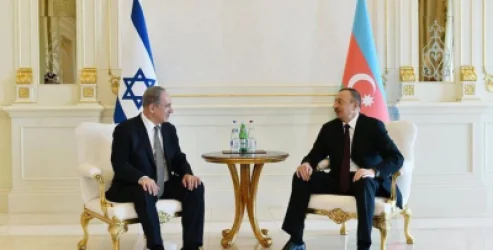
It is noteworthy that during the meeting on November 26 in Sochi, the Armenian Prime Minister, along with the Presidents of Russia and Azerbaijan, signed a document that outlines the establishment of a delimitation and demarcation commission between Armenia and Azerbaijan with the advisory support of the Russian Federation.
Shahnazaryan reminded that the current authorities claim there will be no corridor, yet they are in favor of Azerbaijan connecting with Nakhchivan. “How do you envision a situation in which as he says a truck from Azerbaijan passes through Armenia's customs, then travels 40-50 km freely through Armenian territory, and exits at another customs point? When I say I support communication means, they can only be corridors, which means that other forces, not Armenia, must ensure the safety of those routes. It is impossible for an Azerbaijani vehicle to pass through Armenian territory while Armenia secures its safety. When he says there will be no corridors, only roads, that is yet another lie. In this situation, there cannot be transit routes for Azerbaijan that will not be secured by other forces—forget about it,” Shahnazaryan emphasized.
“There can be no peace if you are not prepared to fight, I am not saying you are not prepared for war; I am saying you are not prepared to fight,” Shahnazaryan stated.
According to him, the trilateral document signed on November 26 in Sochi includes nothing stating that Azerbaijani troops must withdraw from Armenian territories. “The supposed 41 square kilometers he mentioned is in reality twice that, and there is no requirement that any demarcation discussions can take place before Azerbaijani armed forces withdraw. During a government session, Pashinyan used the term aggression, which he did not mention during the EEU meeting or the Sochi meeting; he merely referred to an invasion and is now hoping for the international community's support. If you rely on the international community, then you must raise these issues in Brussels, including those of prisoners of war, mercenaries from Azerbaijan, and the use of phosphorus bombs,” Shahnazaryan stressed.
He stated that the authorities have weakened Armenia's standing in international relations, saying, “If you are weak, your allies will not forgive you, your friends will not remember you, and your enemies will not spare you. A fundamental issue today is the enhancement of Armenia's subjectivity, which is being continuously dismantled by the capitulator.”
Shahnazaryan highlighted that on November 10, the Turkish Parliament decided to extend the presence of Turkish forces in Azerbaijan for another year. “Several experts wrote that this relates to the Russian-Turkish monitoring center located in Aghdam, but that cannot be the case because there are no troops there, only a few dozen officers. I have serious doubts that Turkish forces are present in Azerbaijan today, and I do not rule out that Turkish troops are also in Nakhchivan. I have information suggesting that all of this exists. What is happening today is a continuation of capitulation, the dismantling of our statehood,” Shahnazaryan remarked, adding that the trilateral document signed in Sochi fully aligns with Azerbaijan's objectives.
“When delimitation commissions were formed, it meant, according to international law, that the issue of Nagorno-Karabakh is an internal matter of Azerbaijan. In essence, Pashinyan stated this explicitly in his last interview. This means that the issue of Nagorno-Karabakh is being separated from Armenia-Azerbaijan relations. According to my information, Armenian officials have given such formulations when addressing officials from other countries, stating that these are entirely separate issues,” Shahnazaryan continued, elaborating on the dangers that he believes the political and expert circles do not fully comprehend.
“The artery connecting Syunik to Yerevan, specifically the 21st km and lower segment, has been ceded to Azerbaijan, which means these are our territories. They were signed away by former Minister of Defense Vagharshak Harutyunyan, which carries a legal assessment of state treason. If later the capitulator claims he gave that order, it does not mean that the signatory is freed from responsibility. The third danger is that we are losing Tigranashen, where Azerbaijani customs posts will be established. Do you remember in his last interview Pashinyan said they should bring legal documents regarding enclaves? This means we will lose several major settlements in the north (Tavush), and Azerbaijan will have the opportunity to place its customs posts along the road connecting us to Georgia. Another thing is that in July 1992, the Armenian Parliament passed a law prohibiting any Armenian official from signing any document that identifies Artsakh as part of Azerbaijan. I participated in that session and delivered a speech. The creation of the delimitation commission is aimed at this very document and its purpose. I have said since 2018 that this is an externally formed government serving the interests of Turkey and Azerbaijan, and essentially, they have come to power through the formula of 'power in exchange for Artsakh.' Artsakh was only their first course; the main dish is Syunik, which is now happening,” Shahnazaryan emphasized.
Նմանատիպ հոդվածներ
Ավելին Politics բաժնից
ՌԴ-ն պնդում է` ամերիկյան միջուկային զենքը պետք է դուրս բերվի Եվրոպայից
Վերահաշվարկից հետո կուսակցությունների ձայների հաշվեկշռում փոփոխություններ են արձանագրվել
Իրանը հայտարարում է վճռորոշ փուլի մասին