Azerbaijan is Ready to Attack and Capture Armenia: Vahan Badalyan
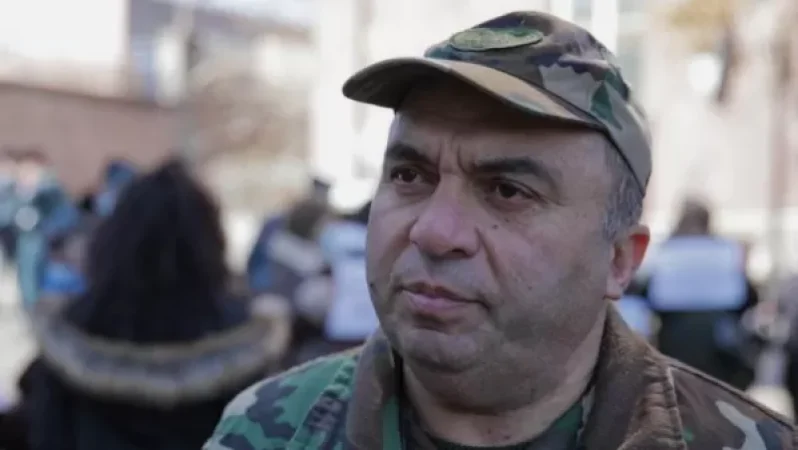
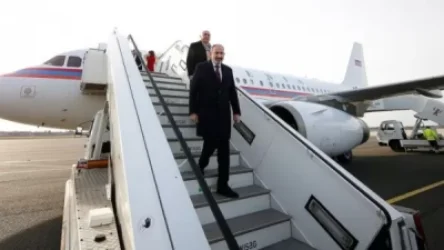
The representative of the President of Artsakh for security and displaced persons, Vahan Badalyan, stated in an interview with ArmDaily.am regarding today’s meeting between Prime Minister Nikol Pashinyan, President Ilham Aliyev, and President Vladimir Putin, and the upcoming meetings in Brussels on December 15, that there is an atmosphere of uncertainty.
“I have no expectations—there is uncertainty, and I can make assumptions, which might be right or wrong. One thing I know is that we must be cautious about Azerbaijan's intentions, our enemy’s intentions. Whatever happens, today they are ready to attack and seize Armenia. They haven’t even hidden this; they boldly state it themselves. Being a hundred years old, they claim that they are on their ancestral lands. What more can you expect from that? In this sense, I think Nikol Pashinyan should base his statements on this and end all of this with one sentence. In other words, the international community, they are people too; they say what they need, and there are no contradictions from the Armenian side. They also understand that if they do not deny it, it implies that Armenians might be living in their territories. But for some reasons, today Armenia is recognized as a separate sovereign state, and Azerbaijan as a sovereign state, and these are equivalent sovereign states,” Badalyan said.
He noted that it would be enough for one sentence to be spoken at, say, the UN, stating that the 3,000-year-old Armenian nation is told by a 100-year-old that they are living on their territory. This would negate all statements from the Azerbaijani side. “This is an important factor that will work, and everything else becomes irrelevant, including the ideas that we shouldn’t be called aggressors,” Badalyan emphasized.
When asked if he thinks Pashinyan will make this statement from the podium of the UN, Badalyan replied no.
Among the theses being discussed in society is that after today’s meeting in Sochi and the meetings on December 15 in Brussels, Nikol Pashinyan might leave office, which Badalyan does not find credible. “Unfortunately, that is not the case, because Pashinyan still has many defenders. In other words, Nikol has natural defenders; people know he is a miracle. People know he is a savior. Thus, we are living through our most challenging period, which I don’t even know how to define—whether to call it misfortune or something else. We may be experiencing the most difficult case in the history of the Armenian state, and how we will get out of this situation—only God knows. For me, everything is uncertain, I don’t even know what will save us,” Badalyan stated.
He mentioned that in the case of a large-scale military aggression from Azerbaijan, the Russian side would not intervene, and we wouldn’t even have the capability to resist. “I have found out that on the border, apart from the army, no other structure is left, meaning these authorities are incapable of forming an army; that is, declaring mobilization and executing their obligations—I had made suggestions, but my proposals are for knowledgeable people. Unfortunately, today Armenia is governed by, to put it mildly, uninformed people, and rationality does not reign among us,” Badalyan noted.
The representative for security and displaced persons for the President of Artsakh is confident that if Azerbaijan starts a large-scale war, the authorities will collapse, and patriotic forces will take the reins of the country. “The NSS and law enforcement bodies all want to rid themselves of this evil. Now, if it happens constitutionally, the independent body, the Armenian prosecutor's office, the NSS, seeing that the country is in danger, will go and start detaining the authorities one by one. But they do not realize, they are busy with their own preservation. This is present in a normal country; for example, in the USA, there is the right to bear arms, which provides the opportunity to rebel—that is, if the people see that their leadership is leading the country to destruction in security, education, culture, economy, and all areas, they have the right to rebel,” Badalyan concluded.
Նմանատիպ հոդվածներ
Ավելին Society բաժնից
Օգոստոսի 4-ից մեկնարկում է ավագ դպրոցների ընդունելության առցանց հայտագրման հիմնական փուլը

Ջարեդ Լետոն հերքել է իր դեմ հնչած սեռական բռնության մեղադրանքները
Wildberries-ի վաճառողների վնասը կարող է հասնել 215-280 միլիարդ ռուբլու. Forbes