The Situation in Border Villages of Tavush: According to the Priest of Movses Village, Villages Face Danger of Abandonment
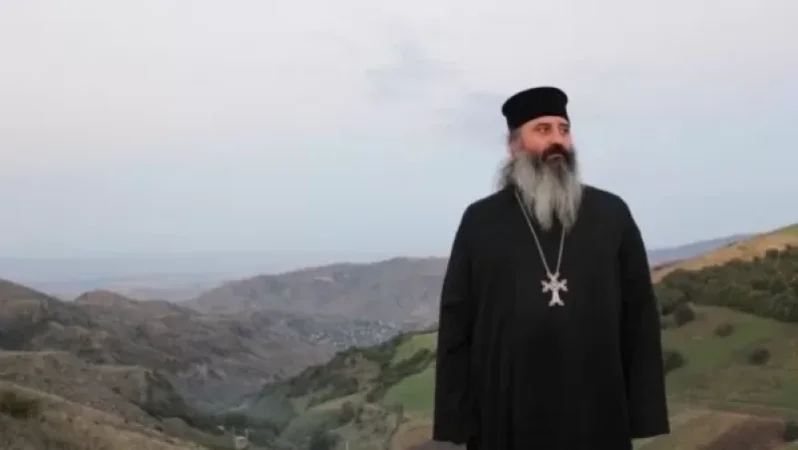
The situation in the border villages of Tavush is generally peaceful at this moment, and we live our normal lives, said Father Abel, the priest of Movses village in Tavush region, in a conversation with Factinfo. He noted that there are occasional gunfire incidents, which pose a threat of depopulation for the villages.
"Gunfire has become an inseparable part of our lives; we no longer even pay attention to it," said Father Abel, adding that the adversary aims to create an atmosphere of fear among the public with these shots. "In circumstances of fear, a person's natural instinct is to want to change their environment. This is also the case in nature; when an animal perceives a threat to its life, it flees, leaving that environment to avoid danger. This is a natural behavior, which is why I do not blame anyone for leaving. We have not just started leaving the settlements; residents have gradually departed, the villages have emptied, and most of our villagers now live abroad. The villages are somewhat impoverished and orphaned," stated Father Abel.
He expressed concern that similar processes could develop in Tavush as they have in Syunik, leading to certain areas falling under enemy control. "I have such fears in my mind; we do not want a chain of actions to move in that direction, but logic suggests that it may become a reality. In general, we do not have a tendency to entertain rumors, but we are carefully monitoring all processes regarding our safety and security," he said. He added that it raises concerns when their known courageous commanders are replaced by unknown ones during critical moments. "Our third army corps is engaged in the defense of the homeland, under a very skilled commander, Grigor Khachaturov; for unclear reasons, he is no longer serving the homeland, which raises concern and deepens the atmosphere of fear. When we interact with soldiers who have a keen combat sense, they respond differently to enemy incursions; they are guided by a different spirit, which gives us a sense of security," said the interlocutor.
According to Father Abel, there is what he describes as a surprising calmness and tranquility among the residents. "Why is it surprising to me? Because there is a natural state in which a person’s actions should be different in the face of fear. That fear should be balanced; instead of letting primal instincts take over and fleeing, we should be able to defend ourselves. If that feeling of fear is absent, there may come a day when there is no desire to defend ourselves. This worries me. In such a state, the people may unknowingly face dangerous trials," said the clergyman, noting that this is a common issue in our society. "The matter concerns the material; a materialistic person does not see spiritual dangers, and without seeing spiritual dangers, they cannot see physical threats either. When a person becomes materialistic, they weaken spiritually, and no defensive instinct operates. When people lose vigilance, they start to tolerate, saying 'well, let it be this way', and this leads to death," he explained.
When asked whether the authorities are taking necessary steps to ensure the protection of our borders and the safety of the people, Father Abel expressed the impression that "the reins of authority are in the hands of children, who drive it as they wish."
"I do not want to touch on conspiracy theories. People who have real information should assess and answer how it happened that in 2018, 218 million dollars from Azerbaijan entered Armenia; who received that money and who transferred it. They should go find answers to these questions. The prophet Isaiah in the Bible makes an interesting statement: 'I will remove the men from among this people, and take away the mighty, and give the power to children.' Right now, I have the impression that the reins of power are in the hands of children, who drive it as they wish. No sector has its responsibility, we do not understand what follows from what, there is no analytics, problems arise, and when we want to solve them, we do not understand that we are digging ourselves deeper. All of this stems from the fact that we currently have a drifter's mentality," he noted.
When asked what the role of the clergy should be in a post-war crisis situation, Father Abel assured that the clergy are making their available efforts. "Every Sunday, the Divine Liturgy takes place, God comes and nourishes His people. The clergy should be an intermediary between man and God. Has anyone asked who has comforted all those mourning mothers and fathers during this war? The good deeds that the church and the clergy do are often not visible. There were also mediations related to the issue of captives, but unfortunately, the spiritual authority does not have such levers," said the priest.
Prime Minister Nikol Pashinyan has repeatedly targeted the clergy in his speeches, raised various accusations, and immediately after the regime change, various actions were organized in Yerevan against the clergy. In the end, what was the goal of the campaign against the clergy, Father Abel responded: "In any castle, there are sensitive pillars that need to be dismantled to allow entry; if you don’t dismantle them, you won’t be able to enter. At that time, I wrote an interesting article, after which there was a remark that the state and the church are separate; I said, 'Mr. Prime Minister, perhaps we were forced to say such things formally, but I hope it is not so in your heart; the church and state are not separate.' Following this came the steps we now see. This means that there is a spiritually protected pillar, and if you aim to strike at that, it signifies your intentions are not healthy to enter that house. This is so evident, but since our people are spiritually unprepared, they did not see it."
Նմանատիպ հոդվածներ

Ավելին Society բաժնից
«Նուբարաշեն» ՔԿՀ-ում երեք կալանավոր հացադուլի մեջ են մինչև 38 օր․ ՍիվիլՆեթ
Նոր ռազմավարությամբ կվերափոխվեն դատաիրավական և հակակոռուպցիոն ոլորտները

Բաքվից Հայաստան է ուղարկվել 490 տոննա ռուսական ցորեն