What Did Kommersant Write About Armenia and Artsakh
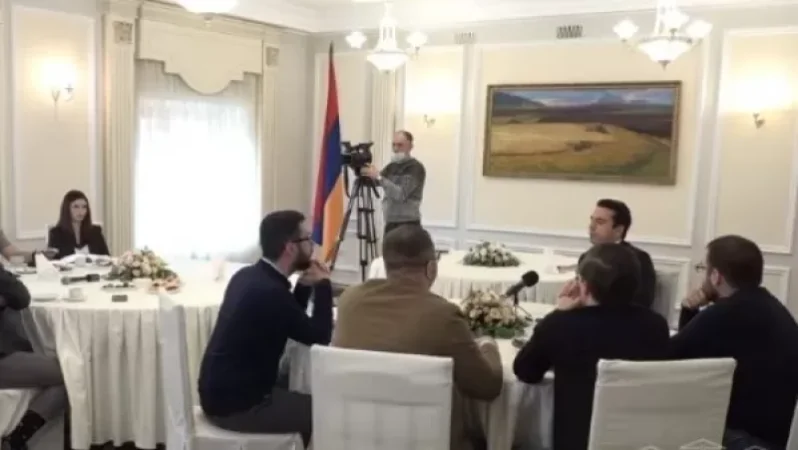
Kommersant's special correspondent Dmitry Steshin visited Armenia and Artsakh and wrote an extensive article about his visits and Alen Simonyan’s comments. Below are excerpts from his article as reported by Tert.am:
"In the fall of 2020, a short yet real war broke out in the Caucasus. Azerbaijan regained most of the territories lost to Armenians a quarter of a century ago. The bloodshed was only stopped with Russia's help, which sent its peacekeepers here.
The 'Lifeline' Lachin, a narrow road connecting 'mainland' Armenia and the remnants of the unrecognized republic, begins here. A year ago, Artsakh lost 80% of the territories under its control. Only the capital, Stepanakert, remains, and, if desired, the map could easily reflect parts of southeastern Ukraine, where militias were able to capture and hold Luhansk and Donetsk. Only there, everything is clearer—there are no mountains, and Russia is behind them.
Russia is also present here. The ‘Lifeline’ Lachin, 5 kilometers wide, is controlled by our peacekeepers. If the corridor is cut off, it will be impossible to reach Artsakh from Armenia," Steshin writes, further discussing the city of Berdzor.
"The city of Lachin (Berdzor in Armenian) is utterly empty. The road is monitored only by peacekeepers. The slopes of the gorge are filled with furniture thrown from empty black-windowed buildings. Most likely, the homeowners themselves threw them out, desperate, bitter, and without hope of returning.
The last peacekeeping post was still at the foot of the former Armenian fortress town of Shushi a year ago. In the winter of 2019, Armenians in Artsakh proudly told me, ‘No one can take Shushi, no one has’—now on the other side of the metal fence, Azerbaijani soldiers watch carefully as peacekeepers check our cars. Cameras hang from the columns. At the Azerbaijani checkpoint, there are two flags—Azerbaijan's and Turkey's. Down below, in the gorge at the foot of Shushi, construction machinery rumbles—the concrete portal of the tunnel is already being erected from the mountain. Azerbaijan, and judging by the flag again, Turkey, is hastily building a road and is not sparing any money," the article continues.
Time for Answers
The correspondent then reaches Stepanakert, noting that the Azerbaijani-controlled Shushi literally hangs over the city, yet the city prefers not to notice this. “The head of the Artsakh Foreign Ministry tells me that after losing the war a year ago, only 7 people remained in 60,000-strong Stepanakert—the president, security staff, and diplomat David Babayan. David speaks beautifully: ‘Artsakh is now a wounded beast.’ And he prophesies: ‘I always tell our Russian brothers, “The next battle will be at Kulikovo Field.” The main target is not Armenia but the “northern vector.” The Turks do not hide their plans; their ideology is pan-Turkism,’” Steshin continues.
In the Ring of Provocations
“In neither Stepanakert nor Yerevan could I get even a rough retelling of the contents of the peacekeeping mandate from officials. The mandate of the Russian peacekeepers in Transnistria is posted online. With all the documents regarding our peacekeepers in South Ossetia and Abkhazia similarly available to the public. However, this information seems secret in Artsakh. This is very strange. It's unclear how to respond to provocations. A couple of weeks before my arrival here, an excavator driver working ‘along the line of contact’ was shot dead by sniper fire. The ominous subtext indicates that a peacekeeping officer was in the excavator cabin at the moment of the murder… And on the day I arrived, just 500 meters from the peacekeepers' checkpoint, three employees of the Stepanakert ‘Waterworks’ were wounded; one was killed while they were laying a water pipeline. The deceased was buried. A few days later, his relative threw a grenade at Azerbaijani soldiers," Steshin writes, presenting details from an interview with a locksmith injured in the Azerbaijani attack.
He recounts, “The interlocutor has a chest injury; he turns heavily in bed but finds strength to talk to me: ‘We had permission from the peacekeepers to renovate the water supply system. But an hour later, we saw a man approaching us. He wore special forces soldier clothing. A machine gun, a pistol... American-made, long. He started shouting at us. The fighter (Martik Yeremyan, the slain employee of ‘Waterworks’) began to explain that we were installing the system for the Russians. But he continued to shout. He seemed not to speak much Azerbaijani; we know a bit of that language. He tried to curse in Russian and failed. He raised an automatic weapon, pulled out the pistol. We said to him, ‘Listen, we are no longer working.’ He came up from behind and shot Martik in the head, then injured another, then another one... and then me. At that moment, I was starting the excavator to get away,” said Gagik Azayan.
“No one has heard of the reaction to this horrible provocation. A peacekeeping officer remarked informally, ‘What did you want us to do, immediately throw in “Kalibr” and send in the aircraft?’” Steshin continues. “One day historians will define our times as the ‘era of hypocrisy.’ This thought comes from the office of the Artsakh ombudsman, quoted by Steshin, ‘40,000 refugees, no jobs; they live on allowances. Azerbaijan is cutting off mobile communication and the internet. They fire upon agricultural machinery.’
“I asked the Ombudsman, ‘Who is helping the people?’ It turns out humanitarian aid is only brought by the Red Cross and peacekeepers. All other organizations remain in the sidelines. They need to enter unrecognized Artsakh through Azerbaijani territory because the law takes precedence over everything, even human suffering. But it doesn't go well. The only thing that the defenders of rights in Artsakh can do now is prepare documents on human rights violations and send them to the West. One might as well write to ‘Sportloto’—Western humanitarian norms work selectively; you must be established as a ‘worthy victim.’
“I drove into the refugee camp. I have seen all this a thousand times. The rooms were filled to the ceiling with stacked household items. Tired eyes and faces of women, idle children, ten meters of space for a family of seven. Families from Shushi lived in this camp. Just 70 kilometers, and our bus reached the edge of the remaining territory of Artsakh—the ancient monastery of Amaras. Built in the 5th century, this monastic complex itself is a mute answer to the question ‘Whose land is this?’ An inconvenient answer, perhaps that is why the monastery continues to frantically restore itself. There is one kilometer to the Azerbaijani positions—on the wooded hill the corresponding flag flies. On the next height—the Armenian flag, in the plain, in the village—the Russian one,” Steshin writes.
The author then addresses the story of Shushi passing under Azerbaijani control and an intriguing conversation with Armenian National Assembly Speaker Alen Simonyan regarding the topic of defeat in the war.
“There are numerous conspiracy theories that the current Armenian authorities, led by Prime Minister Pashinyan, intentionally surrendered Artsakh. When it became clear that Artsakh was collapsing, they did nothing. Why? This can only be known in Yerevan. ‘Talking to Alen Simonyan, the ‘loyal Pashinyan’ Speaker of the Armenian Parliament, I asked straight away, ‘Did Armenia surrender Artsakh to change the geopolitical vector from Russian to Western?’ The interview turned into a debate; Alen Robertovich began to get agitated. ‘There is an understanding in Armenian society that Russia surrendered Artsakh. And in general, what made you assume that anyone surrendered Artsakh? You offend the Armenian people and those who shed blood for it. If anyone wanted to surrender Artsakh, there would have been several options, including proposals from the Russian Foreign Ministry.’ But I simply refused to let the ‘Eternal Guilt of Russia’ pass: ‘What have you done to save it? A year ago, I was at the union of volunteers from Donbass. Several thousand people were ready to help. But at that moment, Armenia adopted a ‘mercenary law,’ and the volunteers were warned about it. That is, you intentionally closed the flow of people ready to shed blood for Armenia.’ ‘We had no problems with the number of people,’ Simonyan replied,” the author notes, emphasizing that Alen Robertovich never explained why such a disgraceful situation arose in Nagorno-Karabakh and why, for instance, there was no parliamentary inquiry.
“However, during the interview, the Speaker of the National Assembly of Armenia accused Russia five times in passing. I noticed this,” the correspondent concludes.
Նմանատիպ հոդվածներ

Ավելին Society բաժնից
Նոր ռազմավարությամբ կվերափոխվեն դատաիրավական և հակակոռուպցիոն ոլորտները
Բաքվից Հայաստան է ուղարկվել 490 տոննա ռուսական ցորեն

«Արծիվ գործընկեր-2026»․ Հայաստանում կմեկնարկի միջազգային խաղաղապահ զորավարժությունը