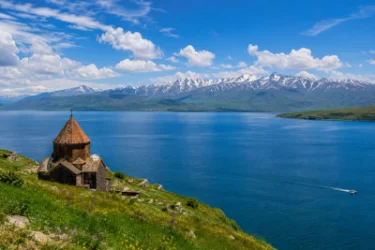
The Future of Armenian-Russian Relations is at Risk: Statement from the Union of Retired Officers of the NSS
The Union of Retired Officers of the NSS has issued a statement: "THE FUTURE OF ARMENIAN-RUSSIAN RELATIONS IS AT RISK. On November 26 in Sochi, a trilateral meeting will be held with the political leaders of Russia, Armenia, and Azerbaijan, followed by a scheduled meeting in Brussels on December 15. Essentially, under the slogan of a peaceful era, the resolution of the demands of Armenia-Azerbaijan and Armenia-Turkey is approaching its border.
As was the case with the agreements of November 9, 2020 and January 11, 2021, the content of the fundamental document to be signed today remains hidden from the public, even though it ought to be widely debated considering its nationwide significance. The Armenian world must clearly understand what price the proclaimed peaceful era may actually have for it, what we are factually losing, what values we are relinquishing, and who will guarantee this peace.
To this day, Russia has been the key player in the ongoing negotiation process, and it will likely continue to exert its significant influence on the contract to be signed in the future, which is entirely natural given its pivotal role in the region and geopolitical arrangements overall.
For centuries, the Armenian people have seen themselves in the arena of historical-cultural and military-political cooperation with Russia, believing that the Christian Russian people are the natural allies and security guarantors of the Christian Armenian people. It is no coincidence that even after the collapse of the Soviet Union, Armenia remained the only country in the region with a Russian foothold and a military base.
Due to historical realities, the Armenian people constantly emphasize the dynamics of Armenian-Russian relations, remaining extremely sensitive to Russia's actions regarding whether Armenian interests are defended or ignored.
Unfortunately, the 44-day war and its dire outcome have aroused reasonable doubts among people that all this occurred with Russia's knowledge and tacit consent, successfully carried out by political figures within the Russian elite with clearly pro-Azerbaijani and pro-Turkish orientations. It is also clear that personal sympathy for Russian President Vladimir Putin predominates in Armenia, accompanied by a belief that he values Armenian interests and will not allow them to be disregarded.
In this sensitive situation, if the Armenian authorities, stripped of popular support, are forced to sign an unfavorable document against the will of the people, it will deal an irreversible blow to Armenian-Russian relations, solidifying the belief among the population that Russia is sacrificing Armenia on the Turkish altar, thus closing the chapter of Armenian-Russian allied relations.
As a result, we will see Armenia shift its political orientation toward the West, while a new geography of the Islamic world will be drawn near Russia's southern borders.
Therefore, Russia must not allow an Armenian government, which has lost the support of the people and is predominantly filled with anti-Russian sentiments, to sign any final document detrimental to Armenia under the pressure of pro-Azerbaijani and pro-Turkish oriented figures, without presenting it to the judgment of the people."
Նմանատիպ հոդվածներ

Ավելին Society բաժնից
Նոր ռազմավարությամբ կվերափոխվեն դատաիրավական և հակակոռուպցիոն ոլորտները
Բաքվից Հայաստան է ուղարկվել 490 տոննա ռուսական ցորեն

«Արծիվ գործընկեր-2026»․ Հայաստանում կմեկնարկի միջազգային խաղաղապահ զորավարժությունը