"We Will Not Follow Any Orders, We Will Only Defend Ourselves": Tavush Community Leaders on the Border Situation
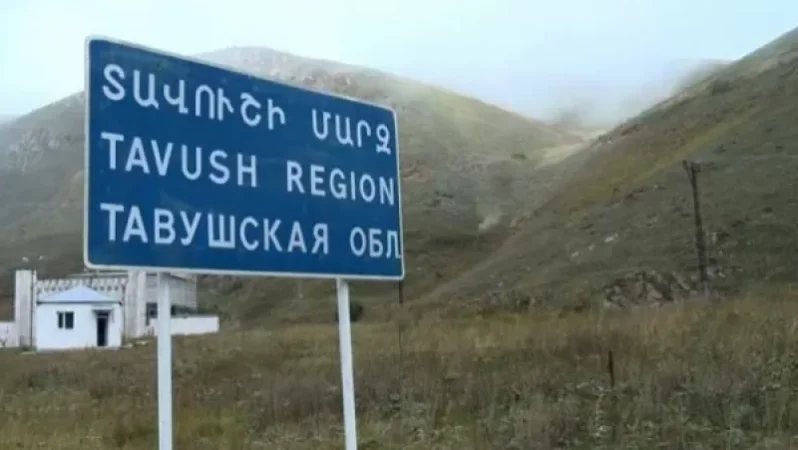
According to "Hraparak", Telegram channels reported the day before about gunfire along the Tavush Armenian-Azerbaijani border. It was mentioned that information was received from the boys regarding periodic shooting from the enemy in that direction. Video footage depicting the gunfire was also published.
In this regard, the Ministry of Defense of Armenia reported early yesterday morning that on the evening of November 17, units of the Azerbaijani Armed Forces opened random fire in several directions along the Armenian-Azerbaijani border in the Tavush province. "With retaliatory actions, the enemy's fire has been silenced. As of 10:00 on November 18, the situation along the Armenian-Azerbaijani border is relatively stable."
However, it is surprising that none of the leaders and officials from border communities in Tavush, whom we managed to contact yesterday, confirmed the fact of shooting, let alone gunfire. The leaders of Vazashen, Berqaber, Kiranats, and several other communities, firmly denying the information about gunfire, did not wish to continue the conversation.
“It's calm here, why should they shoot?” wondered Vazashen community leader Loriq Badiryan, “There was neither shooting last night, nor during the day, nor the day before. It’s peaceful.” Berqaber community leader Tigran Harutyunyan also assured, “If there had been shots, even if not in our community but in other areas, it would have been impossible for us not to have heard about it. I haven’t seen the Ministry of Defense statement, but I assure you, there’s nothing extraordinary happening in our area. I say again—there’s nothing in Berqaber, in the direction of Noyemberyan, in these hot spots.”
Kiranats community leader Kamo Shahinyan also stated that the situation is calm and peaceful along the borders, saying, “There are no gunshots here; I would be lying if I said there is shooting. My position is such that I can oversee all the checkpoints, and I’m saying now—there are no shots, and there haven’t been any.” When asked why the Ministry of Defense would lie, he replied, “Well, maybe they are lying, what can I say? I’ve been called from a hundred places; I wouldn’t have any problem denying the reality. I’m reporting what exists.” He also assured that it has been calm in Tavush in recent days: “My position is such that I can hear even one false shot.”
Is it possible that they are trying to create the impression of a tense situation on purpose, so they could give a piece of Tavush to the Azerbaijanis, as happened in Syunik, especially since Nikol Pashinyan announced in the government session yesterday that he will sign the demarcation and delimitation documents? “They can’t take anything from here, even if they wanted to, they can’t. We won’t let them; they can’t come here; our village stands like one person, it won’t allow it. We will not follow any orders; we will only defend ourselves. That’s it.”
We raised an objection, mentioning that like the community leaders of Syunik, they could also be imprisoned and handed over. “It’s better to be imprisoned here than in Baku, isn’t it?”
It is worth noting that the Kiranats community was merged with the Ijevan enlarged community following the latest amendments to the law on administrative-territorial division. The community leader mentioned that he supported the candidate Arthur Jagharyan from the ruling party. “We are protecting an individual; of course.” And what about the authorities? “Well, it’s our government; that’s what it is, but we are protecting our Jagharyan.”
“The home of our country is falling apart when we create ‘yours and mine’, grasping from the Republican Party and communists; it’s all the same people, the same government. If each of us does our job properly in our place, that Ijevan resident (referring to Nikol Pashinyan) will have nothing to do.”
Note: We do not exclude the possibility that the silence of the community leaders was instructed from higher-ups; perhaps they were warned not to speak too much to the media, especially regarding border issues. Meanwhile, in the past, community leaders have always interacted with journalists and generally did not hide the truth.
Նմանատիպ հոդվածներ
Urgent: Muradov is Bringing the Bodies of Fallen Armenian Soldiers from Baku to Yerevan
One of the 13 captives is injured and in need of immediate surgery, two soldiers' remains in Baku: Boris Avagyan
Urgent: Gunfire at the Border, Ministry of Defense Confirms
Breaking: A Conscription Soldier Has Died
Ավելին Society բաժնից
ԵՊՀ-ն՝ արտասահմանյան գրականության ամբիոնը փակելու որոշման մասին
Լոռիում շարունակվում են երկու անչափահաս քույրերի որոնողական աշխատանքները․ ինչ է պատմել մայրը

«Ոչնչացված» դեղերը կարող են վերադառնալ վաճառք․ ԱԺ-ում նախաձեռնել են խիստ վերահսկողություն