Numerous Violations in the Statement of the Security Council: Ombudsman Issues Statement
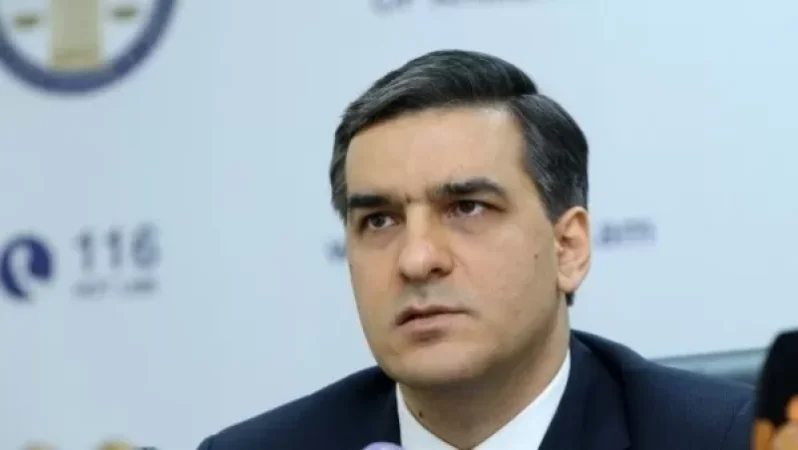
The Human Rights Defender Arman Tatoyan wrote on his Facebook page: "The statement of the Security Council of the Republic of Armenia (SC) today, concerning the Goris-Kapan and Kapan-Jakaten highways, violates the constitutional and international human rights requirements of the Republic of Armenia.
1) In particular, the SC's statement of November 15 refers to unspecified Soviet maps and states that the sections of the Goris-Kapan and Kapan-Jakaten highways under Azerbaijani control are not located within the territory of the Republic of Armenia. Subsequently, the SC statement discusses the establishment of a network of alternative roads and thus, in essence, legitimizes Azerbaijani control over these roads. The Human Rights Defender is firmly convinced that the SC's statement entirely overlooks human rights requirements and ignores the fact that Azerbaijani control over these roads violates the vital rights guaranteed by the Constitution of the Republic of Armenia and recognized internationally for the population of Armenia.
2) Firstly, according to Article 2 of the Constitution of the Republic of Armenia: "1. A person is the highest value in the Republic of Armenia. The inalienable dignity of a person is the inviolable basis of their rights and freedoms. 2. Respect for and protection of the fundamental rights and freedoms of individuals and citizens is a duty of public authority. 3. Public authority is limited by the fundamental rights and freedoms of individuals and citizens as an immediately actionable right." Chapter 2 of the Constitution guarantees the fundamental rights and freedoms of individuals and citizens. Part 1 of Article 191 of the Constitution stipulates that the Ombudsman monitors the observance of human rights and freedoms by state and local self-government bodies and officials and contributes to the restoration of violated rights and freedoms. Article 52 of the Constitution establishes the constitutional right of each person to receive the Ombudsman’s assistance in case of violations of rights and freedoms guaranteed by the Constitution and laws by the aforementioned bodies and officials.
The SC's statement has neglected international demands, including the OSCE's official guidelines dated December 19, 2017, on the delimitation and demarcation of state borders, and the UN High Commissioner for Human Rights' 2021 guidelines on human rights regarding international borders, among others. These acts enshrine human rights as a mandatory component of any border process.
3) The issue is that since the war from September to November 2020, the staff of the Human Rights Defender has acquired credible evidence through field visits and ongoing monitoring, including regarding the declaration of Azerbaijani border and customs control points on the Goris-Kapan and Kapan-Jakaten roads on November 10 and 14, respectively. This evidence stems from specific individual and collective complaints addressed to the Defender, revealing that since the presence of Azerbaijani armed servicemen on these roads, the rights of the civilian population of Armenia to life, security, free movement, physical and mental integrity, property, freedom of economic activity, and the interests of children have been violated. There are no mechanisms to protect these rights or hold violators accountable.
In particular, there have been documented violations of the rights of the population of Armenia due to Azerbaijani actions such as deliberately blocking the road at specific sections and thereby isolating the communities of Novarajdzor, Bardzravavan, Vorotan, and Shurnukh, as well as throwing stones at civilian vehicles moving in the direction of Azerbaijani positions, threatening civilian vehicles attempting to stop near the roadside with weapons to intimidate them, stopping buses with children for terroristic purposes, illegally demanding payments from Iranian citizens legally residing in Armenia, and presenting other illegal demands such as providing fuel for their vehicles.
Due to the so-called Azerbaijani checkpoint on the Kapan-Jakaten road, serious humanitarian issues threaten the 6 villages of the Kapan community: Jakaten, Shikahogh, Srashen, Tsavi, Nerkhin Hand, and Shishkert. Furthermore, evidence confirms that the presence of Azerbaijani armed servicemen along various sections of this road has disrupted the free movement of the civilian population of these settlements, with documented instances of them appearing armed and masked near the roadside (including on November 14). It should be remembered that on February 26, 2021, this road was closed for several hours due to provocations by Azerbaijani armed servicemen.
Another important point is that the construction of alternative roads does not eliminate the real threats to the lives and safety of the population of the Republic of Armenia, especially those in communities adjacent to the positions of Azerbaijani armed servicemen along the Goris-Kapan and Kapan-Jakaten roads. The Azerbaijani forces on these roads tortured and killed our servicemen and civilians during the war, and they have not been held accountable for these actions.
After the war, the Azerbaijani authorities have intensified anti-Armenian hatred and propaganda of hostility. Azerbaijani armed servicemen have appeared on these roads as a result of the threats of war and genocidal policies (these facts are substantiated by evidence). No delimitation or demarcation has taken place between the two countries.
Therefore, the presence of Azerbaijani armed servicemen near our villages and on the roads is a violation of the rights of the population of Armenia. Every public authority in the Republic of Armenia, including the Security Council, is obliged to be guided by human rights requirements in its activities, including public statements, and cannot make statements that render human rights unattainable or endanger them."
Նմանատիպ հոդվածներ
Urgent: Muradov is Bringing the Bodies of Fallen Armenian Soldiers from Baku to Yerevan
One of the 13 captives is injured and in need of immediate surgery, two soldiers' remains in Baku: Boris Avagyan
Urgent: Gunfire at the Border, Ministry of Defense Confirms

Eight Children Hospitalized with Suspected Food Poisoning
Ավելին Society բաժնից
Անձրևները կվերսկսվեն․ սպասվում է՝ ամպրոպ, կարկուտ, քամու ուժգնացում
Կապանում աղմկահարույց դեպք․ հանքավայրից հոսած դեղնավուն ջրերի առթիվ վարույթ է սկսվել

Ազատազրկված անձանց թիվը գերազանցել է 3000-ը. Գալյան