Pressure on Joe Biden to Address Rising Gas Prices
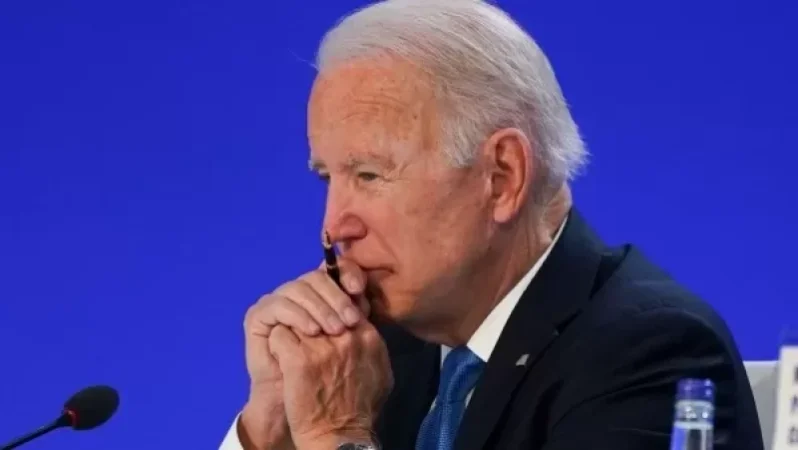
President Joe Biden is facing increasing pressure, including from members of his own party, to address the rising gas prices in the country. This week, eleven Democratic senators sent a collective letter urging the president to take immediate action.
The message speaks of an "unjust burden" placed on households and small businesses, with calls for a ban on oil exports. The U.S. Congress lifted a relevant ban, which had been in place for 40 years, in 2015, leading to shifts in geopolitical balance and straining the economies of several states, according to Bloomberg.
Currently, the United States is the largest oil producer in the world, with American oil being sourced to over 50 countries. In fact, supply volumes often exceed those of each of the OPEC members, with the exception of Saudi Arabia. Reinstituting the ban could lower WTI oil prices but would negatively impact shale oil producers recovering from last year's unprecedented market downturn.
In turn, Gulf of Mexico refiners, dependent on imported oil, could ultimately face even greater costs for purchasing crude oil abroad. "If the acquisition of oil is blocked and an artificial decline in WTI oil prices is provoked, this would likely harm oil producers more than it would help drivers," said the Managing Director of ClearView Energy Partners.
For U.S. allies, who are experiencing an energy crisis that has already caused several British suppliers to go bankrupt and closures of various industrial enterprises in Europe, losing access to U.S. oil supplies would be a serious blow. The U.S. export volumes regularly exceed 3 million barrels per day, which is more than what major OPEC member countries, including Kuwait and Iran, produce.
The consequences of a ban would be extremely significant, warns Matt Sallee, Portfolio Manager at Tortoise Capital Advisors.
Նմանատիպ հոդվածներ

Eight Children Hospitalized with Suspected Food Poisoning

Urgent: Muradov is Bringing the Bodies of Fallen Armenian Soldiers from Baku to Yerevan

18+. PHOTOS. One person dead, three in moderate condition, names revealed. Artsakh Ombudsman publishes photos

The Number of Poisoned Citizens at 'Tashir Pizza' Reaches 44. The Ministry Has Released a Statement
Ավելին Society բաժնից

Ադրբեջանի և Թուրքիայի քանի՞ քաղաքացի է գույք ձեռք բերել Հայաստանում. Sputnik
Հայաստանի մասին նոր զեկույց․ ուշագրավ մանրամասներ

Մայր Աթոռ Սուրբ Էջմիածինը հայտարարություն է տարածել