Armenia to Cease Utilizing EU GSP+ Preferential Trade Regime
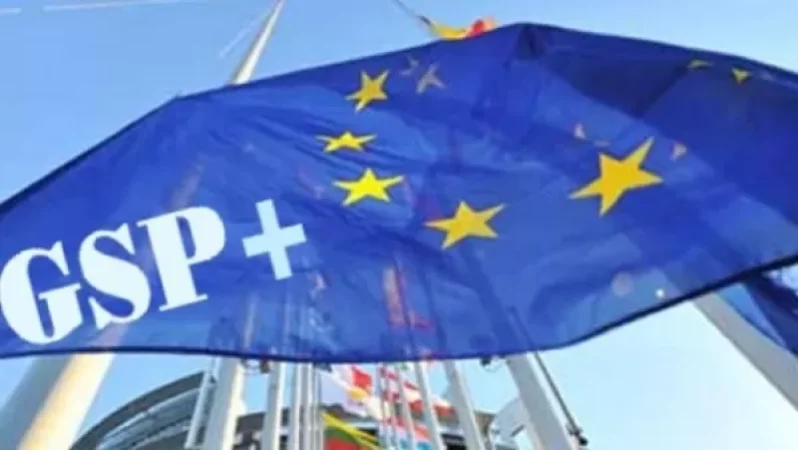
The Armenian Ministry of Economy has informed organizations exporting to EU countries that as of January 1, 2022, Armenia will no longer benefit from the EU's Generalized Scheme of Preferences Plus (GSP+).
The GSP+ is a customs exemption system provided by the EU that allows low and lower-middle-income countries to export over 6,200 product types to the EU market at zero or reduced tariff rates.
Since January 1, 2009, the Republic of Armenia has been utilizing the EU's GSP+ for sustainable development and effective governance. Based on a decision by the European Commission effective January 1, 2014, the Republic of Armenia was included in a new phase of the EU's revised GSP+ system under Regulation (EU) No 978/2012.
The effective implementation of 27 international conventions related to human rights, labor rights, environmental protection, and effective governance is a prerequisite for benefiting from the GSP+ regime.
According to the provisions enshrined in the aforementioned EU regulation, a country is removed from the list of beneficiaries if it is classified as a high-income or upper-middle-income economy by the World Bank for three consecutive years. At the same time, the regulation also grants a one-year transitional period, during which the country continues to benefit from the preferential trade regime.
In 2017, 2018, and 2019, Armenia was classified as an upper-middle-income economy based on GDP per capita by the World Bank. In 2021, Armenia used the transitional period, and as of January 1, 2022, the country will no longer benefit from the GSP+ preferential trade regime.
Thus, starting January 1, 2022, exports to EU countries will not fall under the Generalized Scheme of Preferences Plus (GSP+) customs exemption, including the Registered Exporter System (REX) for the certification of product origin.
Additionally, we provide brief information on other trade regimes offered for products of Armenian origin exported from the Republic of Armenia.
A number of developed countries, especially the USA, Canada, Switzerland, Japan, and Norway, offer Armenia the opportunity to benefit from the Generalized System of Preferences (GSP).
The list of products under Canada's Generalized System of Preferences includes agricultural and industrial goods, providing competitive advantages to developing countries. This list also includes several sensitive products, such as certain types of textiles, footwear, chemicals, and various industrial sector products.
Japan provides a Generalized System of Preferences for several agricultural products and fish products (337 items) and for specific types of industrial products (3,141 items). Most industrial products primarily benefit from the application of zero tariff rates.
Norway applies a 0% tariff rate for almost all industrial products within the GSP framework. The average tariff rate for textile products ranges from 5 to 15%. There are also exceptions for certain products in Norway's GSP list.
Switzerland’s GSP applies to nearly all industrial products and some agricultural products. Some industrial goods exported from Armenia to Switzerland are exempt from tariff rates, except for textile products and clothing, which are subject to a preferential discount of 50% of the standard rate, while certain other goods receive specific preferential discounts.
The US GSP list includes various chemicals, minerals, jewelry, certain types of carpets, as well as agricultural products and fish products.
Armenia also maintains a free trade regime with Ukraine, Turkmenistan, Tajikistan, Moldova, and Georgia. Armenia applies no exclusions regarding the free trade regime towards these countries, and the participant states of the Free Trade Agreement also do not apply any exclusions to Armenian products.
Նմանատիպ հոդվածներ

Urgent: Muradov is Bringing the Bodies of Fallen Armenian Soldiers from Baku to Yerevan

Eight Children Hospitalized with Suspected Food Poisoning

18+. PHOTOS. One person dead, three in moderate condition, names revealed. Artsakh Ombudsman publishes photos

One of the 13 captives is injured and in need of immediate surgery, two soldiers' remains in Baku: Boris Avagyan
Ավելին Society բաժնից

ՏԵՍԱՆՅՈՒԹ․ Դեղնավուն անձրևաջրերն ողողում են Կապանի փողոցները

Ադրբեջանի և Թուրքիայի քանի՞ քաղաքացի է գույք ձեռք բերել Հայաստանում. Sputnik
Հայաստանի մասին նոր զեկույց․ ուշագրավ մանրամասներ