Why Turkey and Azerbaijan Won't Get a Corridor Through Armenia: An Article from The National Interest
It has been a year since Armenia and Azerbaijan established a ceasefire that ended the forty-four-day war between Azerbaijan and Artsakh, the unrecognized Armenian state in Nagorno-Karabakh, writes Michael Rubin, a researcher at the American Enterprise Institute specializing in Iran, Turkey, and the Middle East, in the American magazine The National Interest.
He reminds us that under the terms of the ceasefire brokered by Moscow, Armenia returned territories to Azerbaijan in the Nagorno-Karabakh region. Russia deployed around 2,000 peacekeepers between the two sides and called for the exchange of prisoners of war and other detainees.
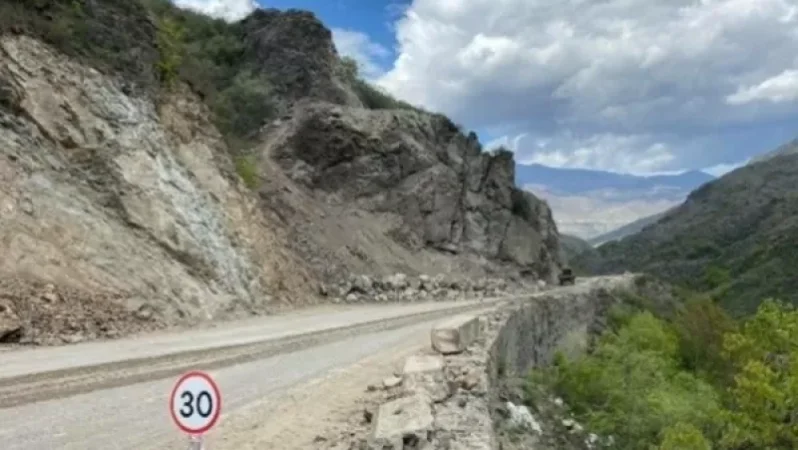
However, in his article, Rubin discusses the last provision of the trilateral agreement, which relates to the unblocking of all transport and communication routes in the South Caucasus, specifically pointing out that the Republic of Armenia will ensure the security of transport links between Azerbaijan and Nakhchivan.
“In recent months, however, Turkish President Recep Tayyip Erdoğan and Azerbaijani President Ilham Aliyev have attempted to redefine that provision in two significant ways. First, they interpret it as granting them a corridor that would cross sovereign Armenian territory. Second, they ignore the first clause, which aims to unblock all economic and transport links throughout the region. The Biden administration needs to clearly show that such reinterpretation is baseless and illegal,” the author writes, noting that there was initial optimism among the Turks and in Central Asian countries that transport traffic through Armenia’s ‘Zangezur Corridor’ (the quotes are from Tert.am) could invigorate Eastern Turkey’s dying economy and expand trade and tourism in Central Asia.
However, according to Rubin, Aliyev's brazen militarism soon extinguished that possibility.
“The creation of the Zangezur Corridor fully corresponds to our national, historical, and future interests. We will implement the Zangezur Corridor regardless of whether Armenia wants it or not,” he stated earlier this year on Azerbaijani state television.
“Undoubtedly, Turkey supported Aliyev's boldness. Turkish state media accused Joseph Stalin of granting Zangezur to Armenia as the People's Commissar for Nationalities, claiming that the territory was Azerbaijani prior to that. The irony here, of course, is that Stalin had similarly transferred Nagorno-Karabakh, a historically Armenian territory, to Azerbaijan. By claiming Zangezur, the Turkish and Azerbaijani governments undermine the legitimacy of Aliyev’s claims to Nagorno-Karabakh,” the article continues.
Erdoğan has addressed the issue more subtly than his Azerbaijani counterpart. He stated that discussions about unblocking Armenia require prior satisfaction of Azerbaijan's demands.
Rubin then reminds us of a recent statement by Aliyev that “both Turkey and Azerbaijan will take necessary steps to implement the Zangezur Corridor, thereby uniting the entire Turkic world.”
“Both President Biden and Secretary of State Blinken have repeatedly stated that ‘diplomacy is back,’ but when it comes to the South Caucasus, it is missing. This is unfortunate, as there is a real opportunity to promote peace in the region and advance American interests. A common expression among beneficiaries of the State Department's unofficial Turkish lobby and Azerbaijani ‘caviar diplomacy’ is that Azerbaijan is a better ally for the United States than Armenia, given Yerevan's ties with both Moscow and Tehran. Setting aside the fact that Azerbaijan's ties with Russia and Iran have geometrically increased in recent years, if Washington's goal was to decrease Armenia’s ties to Russia and Iran, the best approach would be to pressure Turkey and Azerbaijan to remove Armenia’s double blockade, thereby lessening Armenia’s dependence on Russia and Iran.
Turkey needs to open its borders for Armenian trade just as Azerbaijan does. While Turkey hopes that its trucks can reach Armenia through Zangezur, Armenian vehicles should also be able to travel from Yerevan to Istanbul. If the Turks hope to enjoy unfettered trade with Central Asia up to the Chinese border, then the Armenians in Artsakh should enjoy the same free trade through Turkey to France or the United Kingdom.
Aliyev mocked the rejection of Article 907, which allows for U.S. aid to be provided to the autocratic oil state. It is time to repeal the waiver as long as the Azerbaijani autocrat cannot prove his commitment to peace and diplomacy by opening Azerbaijan’s borders to Armenian trade. Similarly, if Blinken truly wishes to promote peace in the region, he should recall newly appointed Jeffrey Flake, the U.S. ambassador to Turkey, and direct him to return to Ankara only when he can drive there from Armenia’s capital,” Rubin concludes.
Նմանատիպ հոդվածներ
Ավելին Politics բաժնից
Երևանի Արարատ կոնյակի-գինու-օղու կոմբինատը նոր կառավարիչ ունի
Կինս «Հայփոստի» ամենացածր վարձատրվող տնօրենն է եղել. Կոնջորյան
Խայտառակ վիճակում ենք. «Մուլտիրեսթ հաուս»-ի տնօրենը՝ Փաշինյանին