What the Clarification of Artsakh's Status Implies: Statement from the Ministry of Foreign Affairs
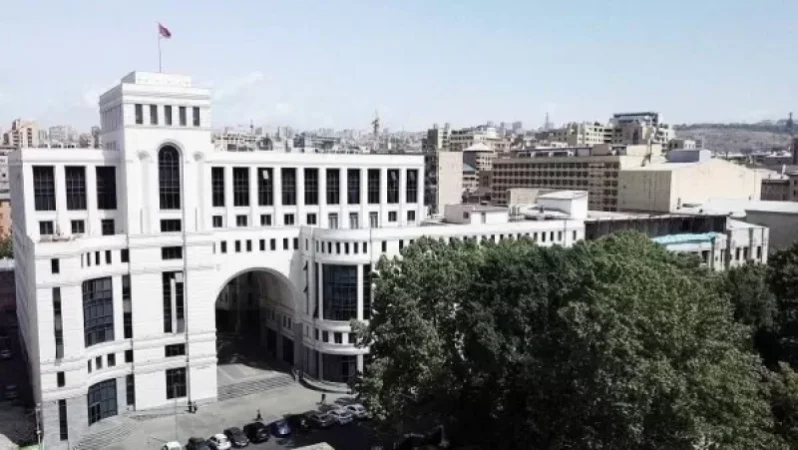
The Ministry of Foreign Affairs of Armenia has issued a statement in connection with the one-year anniversary of the 44-day war.
“On September 27, 2020, Azerbaijan launched aggression against Artsakh and its people with the direct involvement of Turkey and the engagement of foreign militant terrorists, which aimed to be halted with the trilateral declaration on the ceasefire and the end of all military operations signed on November 9 under the mediation of the President of Russia, based on which Russian peacekeeping forces were stationed in Artsakh.
Today, we bow our heads again before the brave sons who spared no effort for the right of the Armenian people to live and build their future, preventing the aggressors from fully ethnically cleansing Artsakh.
The 44-day war, accompanied by widespread violations of international humanitarian law and human rights by Azerbaijan, deliberate targeting of civilian infrastructures and cultural monuments, the use of prohibited weaponry, and other war crimes, resulted in thousands of casualties and tens of thousands of injuries, as well as displacement and devastation.
As a result of the war, several regions of Artsakh underwent ethnic cleansing, and the population became victims of Azerbaijan’s military crimes and mass atrocities. Specifically, 40,000 people lost their homes and property, over 17,000 civilian objects and infrastructures were destroyed, hundreds of civilians were killed or injured, and the fate of many remains unknown.
Armenia and Artsakh have consistently implemented the provisions of the trilateral declaration, while just a month after the signing of the trilateral declaration, contrary to the commitment to halt at the positions held at the time of the signing, Azerbaijani armed forces invaded the villages of Khtsaberd and Hin Tagher in the Hadrut region of Artsakh, killing and capturing Armenian soldiers.
Moreover, after the withdrawal of Armenian forces from the areas specified in the document, Azerbaijan responded by infiltrating the Republic of Armenia’s sovereign territory from those same areas and continuing illegal deployments.
Azerbaijan has yet to fulfill point 8 of the November 9 declaration, detaining numerous Armenian prisoners of war, captives, and other held individuals, which is a gross violation not only of the trilateral declaration but also of international humanitarian law.
Violations of the ceasefire regime established by the trilateral declaration have been reported regularly, accompanied not only by targeting the positions of the Armed Forces of Armenia and the Defense Army of Artsakh but also by the targeting of peaceful settlements and civilians, leading to both human and material losses.
By systematically distorting and arbitrarily interpreting the provisions regarding the unblocking of regional infrastructures in the trilateral declarations of November 9, 2020, and January 11, 2021, Azerbaijan promotes the so-called “corridor” idea while threatening to use force, which not only contradicts the letter and spirit of these declarations but also undermines efforts aimed at reducing tensions in the region.
The openly carried out continued anti-Armenian policy by the highest leadership of Azerbaijan, ethnic cleansing in the territories of Artsakh under Azerbaijani control, the destruction and desecration of Armenian cultural and religious heritage, as well as the obstruction of the entry of international humanitarian organizations to Artsakh, indicate that guaranteeing the right of the Armenian population of Artsakh to live securely and with dignity in their homeland is impossible under Azerbaijani jurisdiction or control.
The realities formed by the use of force by Azerbaijan against Artsakh and its people cannot serve as a basis for resolving the Nagorno-Karabakh conflict. Azerbaijan's claims that as a result of the war there is no longer any Nagorno-Karabakh conflict, nor any Nagorno-Karabakh itself in the international arena, also violate the November 9 trilateral declaration, since Nagorno-Karabakh is presented as a territorial unit in that declaration.
Only the complete implementation of the trilateral declarations of November 9, 2020, and January 11, 2021, particularly the urgent resolution of humanitarian issues of primary importance, foremost the unconditional return of all prisoners of war, captives, and other held persons, the clarification of the fate of missing persons, the investigation of cases of enforced disappearances, the protection of Armenian cultural and religious heritage, as well as the full restoration of the peaceful resolution process of the Nagorno-Karabakh conflict can create the prerequisites for ensuring lasting peace and stability in the region.
The comprehensive and lasting solution to the conflict is possible only through peaceful negotiations under the mandate of the OSCE Minsk Group co-chairmanship, which implies the clarification of the status of Artsakh and ensuring the safe return of displaced Artsakh Armenians to their homes throughout Artsakh, as well as the realization of the right of the people of Artsakh to live freely and with dignity in their homeland, based on the principles of equality and the right to self-determination.
Armenia reiterates its readiness to make practical efforts to de-escalate the situation in the region, to gradually overcome the atmosphere of enmity, and to open an era of stability and peaceful development in the region. At the same time, for the effectiveness of the process, it is necessary for Azerbaijan to also adopt a constructive position by refraining from its policy of hatred, aggressive rhetoric, and actions.”
Նմանատիպ հոդվածներ
Urgent: The Opponent is Using Artillery and Armored Vehicles, Tensions at the Border
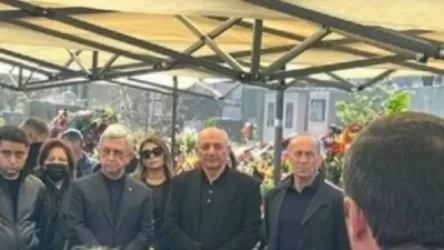
Robert Kocharian and Bako Sahakyan Bid Farewell to Nora Sargsyan, Mother of Serzh Sargsyan
Armenia Ends Negotiation Process. Aliyev Points to Causes of War

Road from Stepanakert to Shushi and Armenia Currently Closed, Hakobyan Knows the Reason
Ավելին Society բաժնից
Հայաստանի մասին նոր զեկույց․ ուշագրավ մանրամասներ
Մայր Աթոռ Սուրբ Էջմիածինը հայտարարություն է տարածել

Հորդառատ անձրևները կվերսկսվեն. հնարավոր է նաև կարկուտ, քամու ուժգնացում