PCR Test Prices Fall Outside the Ministry's Functions, Minister Says
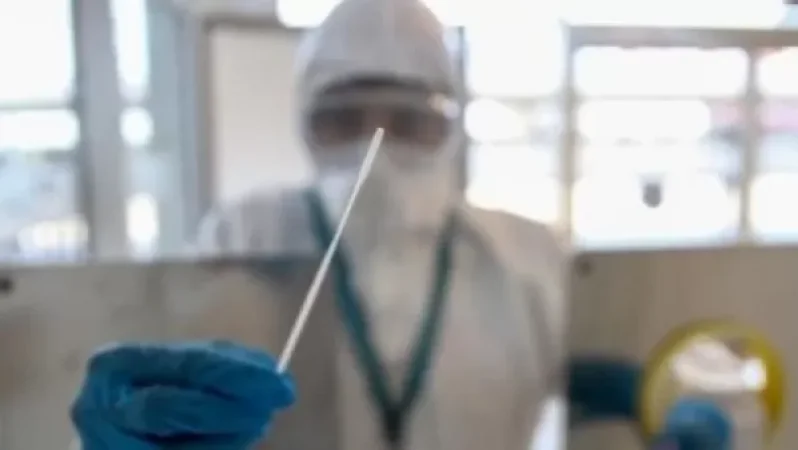
The Ministry of Health is not involved in the pricing policy of PCR tests. In a conversation with reporters, Minister Anahit Avanesyan addressed the costs of COVID PCR tests. The cost of tests used in Armenia is lower; however, citizens pay several times more for testing.
“There were some reductions, followed by increases. This is handled by the Competition Protection Commission, which examines and will draw conclusions,” she stated.
When asked if there are any corruption risks since the cost of tests is lower, the minister noted that this issue does not only pertain to the procurement of primary test materials. “This also includes the continuous updating of equipment and labor. I believe the cost should encompass all these components, and ultimately we must also have quality indicators. There are low-cost tests, there are medium-quality tests. Our task is to ensure studies with such tests,” she added.
The minister mentioned that monitoring is being conducted; however, price regulation is not within the ministry's scope. “We need to understand that we have a certain capacity that must be ensured, and we must not allow a decrease in quality through any kind of quantitative increases. The ministry will remain vigilant. We are currently monitoring the laboratories that conduct testing. A laboratory should perform testing to the extent that both its technical and professional capabilities allow,” Avanesyan stated.
Avanesyan did not elaborate on the numerical data regarding deaths following vaccinations but added that some work is being done, data is being summarized, and will soon be presented on the incidence of cases among vaccinated individuals and details on deaths due to COVID broken down by age, sex, and vaccination status.
Regarding COVID-related deaths among pregnant women, the minister pointed out, “The vaccination rate among pregnant women is low. Many individuals, some of whom I don’t even want to call specialists, played a significant role in instilling fear and spreading disinformation, also deterring our pregnant women from vaccinations.”
Currently, about 200 citizens are waiting for hospitalization. Avanesyan also announced that there is currently no shortage of any vaccine in the country. Commenting on the QR codes issued, she noted that the mutual recognition process with the EU has already been completed, and the QR codes in the ministry's app are also recognized by EU countries.
Նմանատիպ հոդվածներ



Ավելին Society բաժնից
Հայաստանի մասին նոր զեկույց․ ուշագրավ մանրամասներ

Մայր Աթոռ Սուրբ Էջմիածինը հայտարարություն է տարածել

Հորդառատ անձրևները կվերսկսվեն. հնարավոր է նաև կարկուտ, քամու ուժգնացում