COVID-19 in Children: Severe Cases Affecting the Heart, Brain, Kidneys, and Lungs

Since the very beginning of the pandemic, there has been a belief that children either do not get infected or experience the infection more mildly, primarily without symptoms. Almost a year later, can we still assert the same? It is known that the pandemic is especially dangerous for the elderly and those with chronic diseases. Are children with chronic illnesses considered a vulnerable group? Ultimately, what are the distinguishing symptoms that can help parents understand if their child is infected with a seasonal virus or coronavirus?
To discuss these questions, "Iravunk" interviewed pediatrician Maria Darakchyan from "Muratsan" Hospital who first addressed the initial symptoms of coronavirus in children and potential complications:
- In terms of symptoms, the COVID-19 pandemic is very similar to other diseases. It can manifest as a runny nose, cough, sore throat, development of pneumonia, infections of the gastrointestinal tract, and skin conditions. In severe cases, there can be multi-system involvement affecting the heart, brain, kidneys, intestines, and lungs. Therefore, there are no specific symptoms that help parents differentiate COVID-19 from other diseases, except for confirmed contact with confirmed COVID-19 cases. We generally rely on similar symptoms in other family members and positive PCR testing.
- Doctor, at which age group do children typically experience severe cases of the virus?
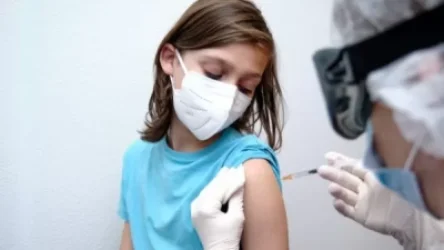
- I do not have statistics on which age groups are most affected. However, generally, during adolescence, COVID-19 begins to manifest with severe pneumonia and acute respiratory distress similar to that observed in adults. As age increases, the course and complications become similar to those present in adults. For this reason, children aged 12 and older can now be vaccinated in Armenia to prevent severe cases of COVID-19, hospitalizations, and deaths.
- Can a parent with a 12-year-old child go and vaccinate the child without a pediatrician's recommendation?
- In general, all vaccination decisions are made within the family in advance because vaccination against COVID-19 is not a mandatory scheduled vaccination. This means that no one will call to remind you about vaccination. If a decision is made within the family, then the parent approaches the clinic where the child is registered and provides written consent for the vaccination. The pediatrician examines the child, and if the child is healthy at that time, the vaccination is carried out.
- Doctor, are there specific conditions in children for which vaccination is contraindicated?
- All diseases during an acute phase and anaphylactic reactions to a previous dose of a given vaccine. These are absolute contraindications. Other relative or temporary contraindications are determined after examining the pediatrician or consulting a narrow specialist. If the child has any chronic illnesses, it is important to consult with the appropriate specialist.
- In conclusion, can you summarize the current situation regarding COVID-19 cases among children in Armenia?
- The incidence and detectability of COVID-19 among children is increasing, considering the active circulation of the virus among adults. The only way to manage the situation is to increase the vaccination coverage.
Նմանատիպ հոդվածներ

Will Armenia Go into Lockdown? Pashinyan Clarifies

The Number of Poisoned Citizens at 'Tashir Pizza' Reaches 44. The Ministry Has Released a Statement

18+. PHOTOS. One person dead, three in moderate condition, names revealed. Artsakh Ombudsman publishes photos
Children Aged 12 and Over Can Get Vaccinated in Armenia, Ministry Says
Ավելին Society բաժնից

Հայաստանի մասին նոր զեկույց․ ուշագրավ մանրամասներ

Մայր Աթոռ Սուրբ Էջմիածինը հայտարարություն է տարածել

Հորդառատ անձրևները կվերսկսվեն. հնարավոր է նաև կարկուտ, քամու ուժգնացում