Immediate Cessation of Seizures from Disability Pension Accounts Required – Human Rights Defender
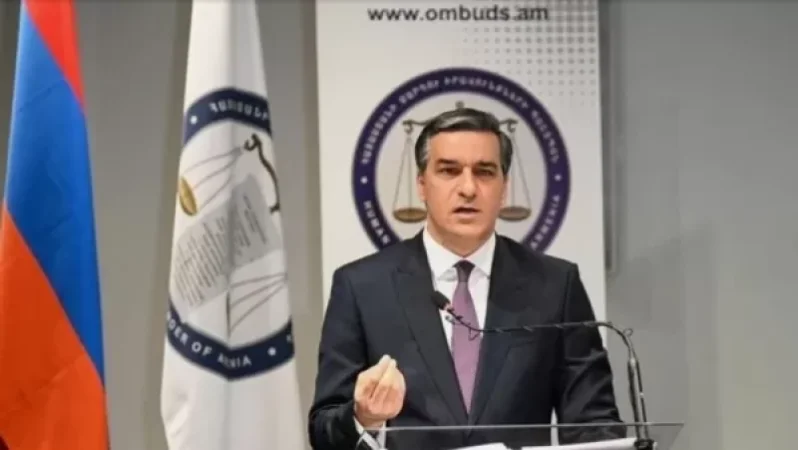
Immediate cessation of seizures from disability pension accounts is essential. This statement was made by the Human Rights Defender of Armenia.
Discussions regarding complaints directed to the Human Rights Defender concerning the Implementation of Judicial Acts Support Service show that systemic issues continue to persist. One such example is the practice of applying seizures to funds that are not subject to seizure. This specifically relates to the seizures of disability pensions, which lead individuals into bureaucratic struggles and violations of their rights.
The issue is that after a seizure is imposed, when individuals call or otherwise contact the Implementation of Judicial Acts Support Service to eliminate the illegal seizure, the service does not cancel the seizure. Instead, they demand the individual provide justification for why a seizure on that amount should not have been applied. Moreover, they require evidence supporting that claim, such as a written request or a statement from the bank.
However, it is the responsibility of the service itself to clarify, through prior measures, that the amount intended for seizure has been paid to the citizen as a non-seizable disability pension, or, for instance, as benefits. Even if the matter involves a bank, the state must resolve this issue through mechanisms it has established.
In other words, it is unacceptable for the burden of correcting the shortcomings caused by the state’s inaction to fall on individuals with disabilities. The state must promptly investigate the reality upon receiving an alert, including whether a wrongful seizure has been applied, and resolve the resulting issue.
In one complaint addressed to the Defender, an individual with a second group disability stated that a seizure had been placed on a month's worth of their pension. They also mentioned living in a region, being in poor health, receiving ongoing treatment at various institutions, and being in need of medication. In relation to this, the Implementation of Judicial Acts Support Service informed the Defender’s office that the bank had mistakenly transferred the disability pension amount to their service as another income.
The citizen was compelled to travel to another city in the region to present to a bank branch, as there was no branch of that bank available in their area. They obtained a receipt from the bank and submitted it to the regional enforcement agency, where they were informed that the issue would not be resolved promptly, and they could only receive that amount after a month.
Another complainant stated that they were a debtor in an enforcement proceeding and received a disability pension. According to the applicant, an amount had been seized from their disability pension account. They added that they had contacted the Implementation of Judicial Acts Support Service regarding the raised issue, but the problem remained unresolved.
The raised issue was discussed with the Implementation of Judicial Acts Support Service. As a result of the discussions, the enforcement officer stated that it had not been noted that the mentioned account was a disability pension account, which is why the amount was seized. According to the enforcement officer, they contacted the bank to have them send a letter to the Service stating that the account in question is indeed a disability pension account, and that if the account has the necessary grounds to qualify as such, the seized amount would be returned to the debtor's account.
Thanks to the cooperation between the Human Rights Defender's office and the bank regarding this issue, the enforcement officer has received the relevant letter from the bank and expressed willingness to resolve the issue.
In another complaint addressed to the Defender, an individual reported that the Implementation of Judicial Acts Support Service had placed a restriction on their disability pension account. This issue was also discussed with the Implementation of Judicial Acts Support Service, which expressed willingness to resolve the issue.
Last year, it was clarified by the Ministry of Justice that the Implementation of Judicial Acts Support Service does not have any information at the time of initiation about the source of funds in the debtor’s bank accounts, which leads to situations where restrictions can also be applied to the debtor’s salary or equivalent incomes, including pensions. Later, as a result of inquiries from the Social Security Service or based on relevant information presented by the debtor (or their representative) to the Implementation of Judicial Acts Support Service, including data from the employer, it becomes clear that the seized funds are among the funds exempted under Chapter 6 of the Law on Enforcement of Judicial Acts, and the Enforcement Service applies restrictions according to the terms and conditions outlined in the same chapter.
In fact, actions to verify a person's disability or pension status are undertaken much later, while the funds are seized without verifying the circumstances, which constitutes a violation of the law.
It is essential to emphasize that a collaboration has been established with the enforcement officers of the Implementation of Judicial Acts Support Service, and the issues raised by the Defender’s office receive prompt responses on an individual case basis. However, the problem is that addressing individual cases does not resolve systemic issues. Therefore, immediate measures must be taken to implement appropriate mechanisms that will guarantee the rights of individuals with disabilities and put an end to the unacceptable practice of seizing funds from disability pension accounts.
Նմանատիպ հոդվածներ

Will Armenia Go into Lockdown? Pashinyan Clarifies

Children Aged 12 and Over Can Get Vaccinated in Armenia, Ministry Says

The Number of Poisoned Citizens at 'Tashir Pizza' Reaches 44. The Ministry Has Released a Statement

18+. PHOTOS. One person dead, three in moderate condition, names revealed. Artsakh Ombudsman publishes photos
Ավելին Society բաժնից

Հայաստանի մասին նոր զեկույց․ ուշագրավ մանրամասներ

Մայր Աթոռ Սուրբ Էջմիածինը հայտարարություն է տարածել

Հորդառատ անձրևները կվերսկսվեն. հնարավոր է նաև կարկուտ, քամու ուժգնացում