Aliyev's Accusation is Fabricated: Reaction from Prosecutor General's Advisor
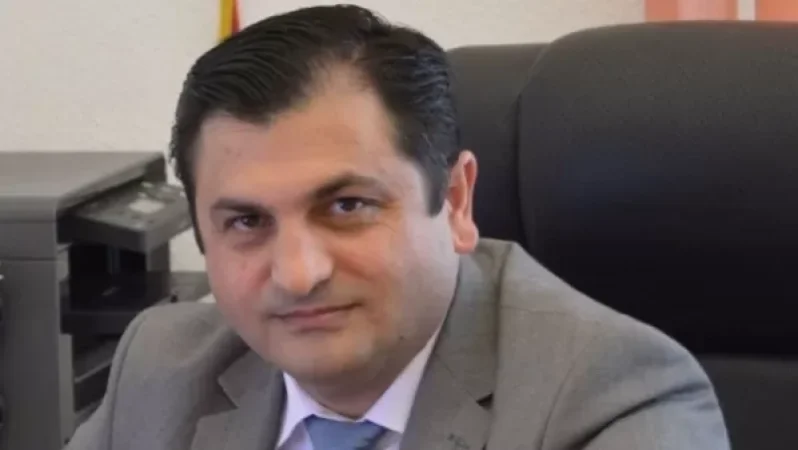
The fight against drug trafficking and illicit circulation is one of the priorities of Armenian-Iranian cooperation in the criminal law sector, wrote Gor Abrahamyan, advisor to the Armenian Attorney General, on his Facebook page.
“In 2020, 13 criminal cases were investigated by the National Security Service and the State Revenue Committee based on incidents of drug trafficking across the state border between Armenia and Iran, with 14 individuals involved as defendants. In the first nine months of 2021, the number of such cases under investigation was 12, involving 24 defendants, including citizens of both Armenia and Iran.
From 2017 to 2020, only the Armenian customs service identified 157 kg of various types of drugs and psychotropic substances illegally imported from Iran to Armenia, while in 2021 alone, 451 kg of drugs were detected at the border checkpoint. Throughout 2021, there were two cases of large-scale drug smuggling from Iran to Armenia, utilizing Armenian territory as a transit route, with one case revealing 351 kg and the other 366 kg of heroin.
In previous years, significant efforts have also been made to combat the illegal transport of drugs via the territory of Artsakh from Iran to Armenia. Since 2016, seven such cases have been detected, with three being uncovered and investigated by the law enforcement agencies of the Republic of Artsakh, and four by the competent authorities of the Republic of Armenia. The total quantity of illegal drugs smuggled from Iran to Artsakh that were detected amounted to approximately 28 kg. Sixteen individuals have been charged in connection with these seven criminal cases, with ten individuals convicted and sentenced to imprisonment based on the indictment sent to court.
Considering that drug trafficking and illicit circulation are considered crimes with high latent rates, the aforementioned statistics evidently demonstrate that the fight against the illegal transfer and circulation of drugs from Iran to Armenia, as well as via the territory of Artsakh prior to the 2020 Artsakh war, has become increasingly vigilant and effective year by year, particularly in cooperation with Iranian law enforcement agencies.
This is also confirmed by the responses from international organizations specializing in combating drug trafficking. Specifically, in March 2021, the Armenian Attorney General's Office received a letter from the UN Office on Drugs and Crime (UNODC) expressing satisfaction with the detection and seizure of a large batch of narcotics imported from Iran to Armenia for transport to Europe, and indicating willingness to assist in this process through information exchange, enhancing the professional capabilities of personnel involved in combating drug trafficking and illicit circulation, and acquiring evidence in cooperation with Iran and destination countries.
The recent acceleration in the fight against drug trafficking is also largely conditioned by the strengthening of cooperation between the Attorney General's Offices of Armenia and Iran. In this context, the issue of expanding bilateral cooperation has become a special subject of discussion during mutual visits in 2019 and 2021, as well as at several international conferences during meetings and negotiations between the Attorneys General of Armenia and Iran.
During the visit of the Iranian Attorney General to Armenia from October 12 to 15, the possibility and prospects of implementing new, modern technical means for detecting drugs at the border checkpoints between the two countries were discussed, along with issues related to holding individuals accountable for committing such crimes and the enforcement of penalties. Furthermore, issues related to joint efforts against drug trafficking and illicit circulation, examining the specifics of criminal cases initiated in such instances, and mutual assistance within their framework are foundational for the measures stemming from the cooperation program signed between the Attorney General's Offices of Armenia and Iran.
The aforementioned facts indicate that the accusations made by Azerbaijani President Ilham Aliyev regarding Armenia and Iran’s involvement in the illicit transit of drugs, announced during the online meeting of the CIS heads of states on October 15, have no relation to reality, are fabricated, devoid of any factual basis, and pursue overtly discrediting objectives against Armenia and Iran, while also aimed at concealing Azerbaijan's reality as a transit country for drugs.
The Azerbaijani President makes such statements in a situation where, according to the report published by the UN Office on Drugs and Crime, while Armenia was included in the list of non-main countries of origin and transit for heroin from 2015 to 2019, Azerbaijan was listed among the main countries.
Նմանատիպ հոդվածներ
Soldiers Injured in Granade Explosion in Gegharkunik
Not Everyone Can Be Registered for the Courses: Active Armenian Language Learning in Azerbaijan
Criminal Proceedings to Be Initiated Against Nikol Pashinyan for 'Whimpering Judges' Remarks

From Mandatory Mask Wearing in Streets to Limited Attendance at Events: New Restrictions
Ավելին Society բաժնից
Հայաստանի մասին նոր զեկույց․ ուշագրավ մանրամասներ
Մայր Աթոռ Սուրբ Էջմիածինը հայտարարություն է տարածել
Հորդառատ անձրևները կվերսկսվեն. հնարավոր է նաև կարկուտ, քամու ուժգնացում