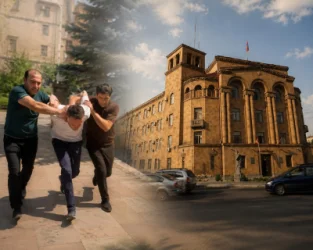
National Assembly Issues Statement on the Situation Surrounding Armenia and Artsakh
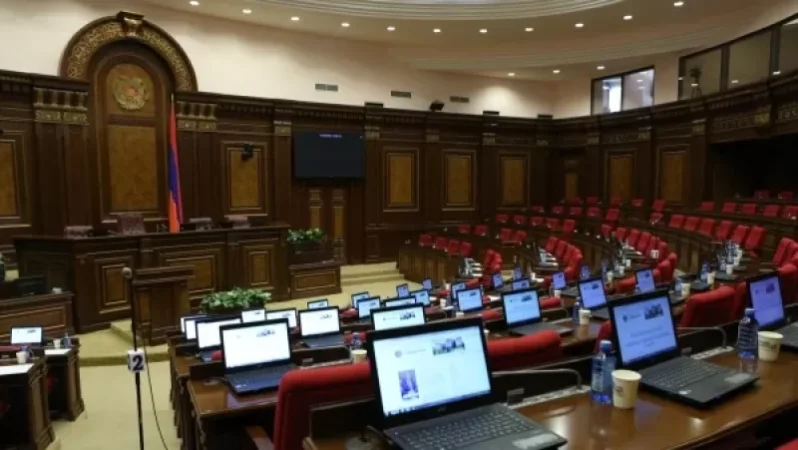
Based on Article 98 and Article 123 of the Constitutional Law of the Republic of Armenia 'Regulations of the National Assembly', as well as the results of the discussion on the urgent topic 'The Situation on the Border between the Republic of Armenia and the Republic of Azerbaijan and the Issues of Demarcation' held at the session of the National Assembly of the Republic of Armenia on October 26, 2021, the National Assembly of the Republic of Armenia:
Condemns:
a) The large-scale military aggression unleashed against the Republic of Artsakh by Azerbaijan and Turkey through the involvement of terrorist groups and mercenaries since September 27, 2020.
b) The gross violations of international law affecting individuals captured and taken hostage by Azerbaijan after the cessation of hostilities, actions considered war crimes.
c) The occupation of the territories of the Republic of Artsakh by Azerbaijan.
d) The invasion of the sovereign territories of the Republic of Armenia by the armed forces of the Republic of Azerbaijan, the ongoing use of force or actual threats thereof.
e) The persistent rhetoric of hatred against Armenians by the military-political and public circles of Azerbaijan, and the presentation of one-sided and distorted information to the international community.
States that:
a) The aforementioned criminal actions by Azerbaijan continue, accompanied by claims against the territories of Armenia and Artsakh.
b) The determination of borders is within the exclusive jurisdiction of neighboring states, and borders are determined through agreements based on international law between neighboring states, according to the 1969 Vienna Convention on the Law of Treaties, whereby any international agreement is considered null and void when made under the threat of force or its use.
c) The guaranteed realization of the right to self-determination of the people of Artsakh in their historical territory and the de-occupation of the captured territories of Artsakh is the main prerequisite for establishing peace in the region, within the framework of the OSCE Minsk Group presidency.
Is guided by the Constitution of the Republic of Armenia, according to which issues related to changes in the territory of the Republic of Armenia are resolved exclusively through a referendum, as well as the decision of the Supreme Council of the Republic of Armenia on July 8, 1992, stating that:
a) The Republic of Armenia consistently supports the Republic of Artsakh and the rights of its population.
b) Any international or domestic document in which the Republic of Artsakh is mentioned as part of Azerbaijan is unacceptable for the Republic of Armenia.
Finds that:
a) Artsakh, illegally annexed to the Azerbaijan Soviet Socialist Republic, cannot be included within the framework of Azerbaijan’s territorial integrity.
b) The Republic of Armenia has no international legal obligation to accept any borders recorded on any map.
c) Any individual officially representing the Republic of Armenia, including the head of the executive branch or other representatives, cannot agree verbally or in writing to agreements that violate the aforementioned legal norms regarding the Republic of Artsakh and the Republic of Armenia. Any such agreement is null and void from the outset.
d) The principle of Uti possidetis can only be applied if both parties agree to accept it as the basis for demarcation.
e) Disputes between the Republic of Armenia and the Republic of Azerbaijan can only be resolved through peaceful means, without the use or threat of force.
Requests the Government of the Republic of Armenia:
a) To refrain from any negotiations or agreements, written or verbal, that violate the requirements of the RA Constitution and the collective will of the Armenian people as expressed in the Declaration of Independence.
b) To provide the National Assembly with reliable information regarding ongoing processes through various parliamentary formats.
To be as public as possible on issues related to the reform of the armed forces and the security system in general, discuss through both professional and parliamentary formats.
c) To ensure the necessary fortification and engineering works and technical systems for security on the frontline. To accelerate the transformation and modernization process of the security system making it aligned with the threats of the post-war period and the challenges present in the region.
Calls on international organizations and parliaments of friendly countries to condemn the crimes committed and ongoing by Azerbaijan and Turkey, and to take actions aimed at holding them legally accountable.
Նմանատիպ հոդվածներ


Ավելին Society բաժնից
Հայաստանի մասին նոր զեկույց․ ուշագրավ մանրամասներ
Մայր Աթոռ Սուրբ Էջմիածինը հայտարարություն է տարածել

Հորդառատ անձրևները կվերսկսվեն. հնարավոր է նաև կարկուտ, քամու ուժգնացում