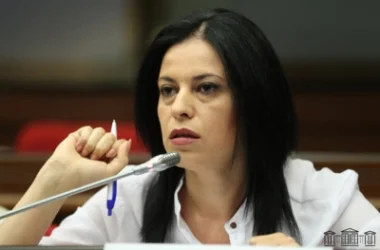
Internal Political Formulations Found in the National Assembly's Statement on the Situation around Armenia and Artsakh: Konyan
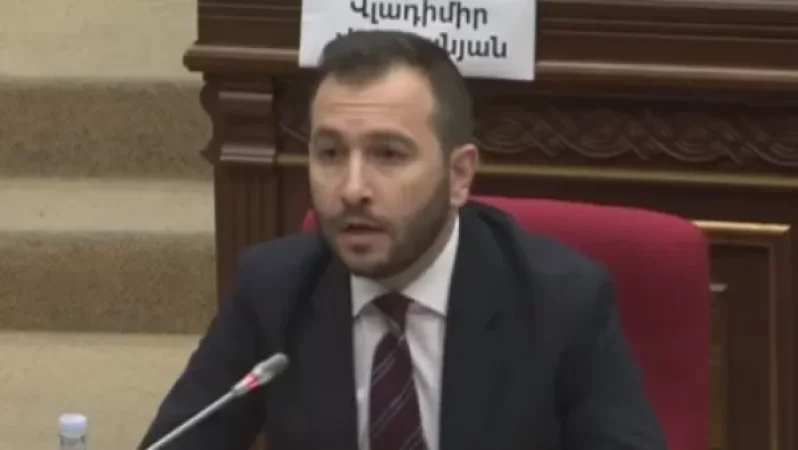
The National Assembly did not accept the draft statement on the situation around Armenia and Artsakh, presented by two opposition factions, as the ruling Civil Contract faction decided not to participate in the vote.
The text of the statement was read by Tigran Abrahamyan, a member of the 'I Have Honor' faction. After that, the head of the Civil Contract faction, Hayk Konyan, stated: 'The political majority only got acquainted with this draft yesterday afternoon, when it was completely formulated by the opposition factions. The political majority was not involved in the process of drafting the statement in any way. We would have been very happy to form a working group from scratch and work on the project with our colleagues. However, we have worked with our colleagues to reach a consensus version of the project, which did not succeed. We do not see any problems with the theses and provisions in the project regarding the war unleashed by Azerbaijan, the war crimes committed by Azerbaijan, and all the unacceptable actions and inhumane acts, we have no issues related to those provisions. Moreover, the parliamentary majority is working through all channels and the government is fighting at all levels for the internationalization of these issues and the resolution of the problems. However, there are also internal political content formulations in the statement, approaches that are part of the opposition's political narrative, which cannot be included in such a statement. Unfortunately, we were not able to reach a consensus with the opposition to remove those internal political content formulations from the text of this National Assembly statement. Noting this, the Civil Contract faction will not participate in this vote.'
The Secretary of the 'Armenia' faction, Artur Minasyan, also noted: 'The internal political questions in the statement stem from the constitutional status of the National Assembly and control powers. These formulations emphasize the essential role of the parliament.'
Below, we present the full text of the statement:
"Based on Article 98 and 123 of the 'Rules of Procedure of the National Assembly' Constitutional Law of the Republic of Armenia and the results of the urgent discussion on 'The Situation on the Contact Line between the Republic of Armenia and the Republic of Azerbaijan and Problems of Demarcation' on October 26, 2021, the National Assembly of the Republic of Armenia:
Condemns:
a) The large-scale armed aggression unleashed against the Republic of Artsakh by Azerbaijan and Turkey with the involvement of terrorist groups and mercenaries since September 27, 2020.
b) The gross violations of international law regarding the persons captured and held hostage by Azerbaijan even after the cessation of hostilities, which are considered war crimes.
c) The seizure of the territories of the Republic of Artsakh by Azerbaijan.
d) The incursions by the armed forces of the Republic of Azerbaijan into the sovereign territories of the Republic of Armenia, the continuous use of force or the real threat of such use.
e) The continuous rhetoric of hatred against Armenians from Azerbaijan’s military-political and public circles and the presentation of one-sided and distorted information to the international community.
Records:
a) The criminal actions mentioned above by Azerbaijan continue, accompanied by claims over the territories of Armenia and Artsakh.
b) The determination of borders is the exclusive prerogative of neighboring states and that borders shall be determined through agreements based on international law between neighboring states, in accordance with the 1969 Vienna Convention on the Law of Treaties of the United Nations, which states that, among other cases, any international agreement concluded through the threat or use of force shall be null and void.
c) The guaranteed realization of the right of the people of Artsakh to self-determination in their historical territory and the de-occupation of the occupied territories of Artsakh is the main prerequisite for establishing peace in the region, in the format of the leadership of the OSCE Minsk Group.
Guided by the Constitution of the Republic of Armenia, according to which issues concerning changes in the territory of the Republic of Armenia are resolved exclusively through a referendum, as well as by the decision of the Supreme Council of the Republic of Armenia dated July 8, 1992:
a) The Republic of Armenia consistently supports the Republic of Artsakh and the protection of the rights of its population.
b) Any international or domestic document in which the Republic of Artsakh is mentioned as part of Azerbaijan is unacceptable for the Republic of Armenia.
Finds that:
a) Artsakh, illegally annexed to the Azerbaijan Soviet Socialist Republic, cannot be included within the framework of Azerbaijan's territorial integrity.
b) The Republic of Armenia has no international legal obligation to recognize any borders recorded on any map.
c) No person officially representing the Republic of Armenia, including the head of the executive branch or any other representative, can agree in writing or orally, in violation of the legal norms mentioned above regarding the Republic of Artsakh and the Republic of Armenia. Any such agreement is null and void.
d) The principle of Uti possidetis can only be applied if both parties agree to accept it as a basis for demarcation.
e) Disputes between the Republic of Armenia and the Republic of Azerbaijan can only be resolved by peaceful means, without the use of force or the threat of force.
Demands from the Government of the Republic of Armenia:
a) To refrain from any negotiations, written or oral agreements that violate the requirements of the Constitution of the Republic of Armenia and the collective will of the Armenian people as expressed in the Declaration of Independence.
b) To provide the National Assembly with reliable information regarding the ongoing processes through various parliamentary formats.
To be as public as possible regarding issues related to armed forces reforms and the security system in general, to discuss them in both professional and parliamentary formats.
c) To ensure the necessary fortification and engineering work and technical systems for security at the front line. To accelerate the transformations and modernization of the security system to align with the threats of the post-war period and the challenges present in the region.
Calls on international organizations and the parliaments of friendly countries:
to condemn the crimes perpetrated and continued by Azerbaijan and Turkey and to take actions aimed at holding them legally accountable.
"Նմանատիպ հոդվածներ
Pashinyan Learned About Potential War from Radio Intelligence Just Two Days Ago
Transit Logic and Rhetoric Deepen Hostile Atmosphere, Says Pashinyan
Opposition Promised to Give No Rest to the Government, Unaware of Who They Are Dealing With. Hovsepyan
We Know Very Well Who is Spreading Those Rumors: Arman Abovyan
Ավելին Politics բաժնից
Վերցնե՞լ, թե՞ չվերցնել մանդատները․ «Հրապարակ»
ՔՊ-ում սրտատրոփ սպասում են ընտրությունների վերջնարդյունքներին․ «Հրապարակ»
ԿԸՀ-ն խուժանություն արեց՝ զրկելով ԲՀԿ-ին 200-ից ավել ձայնից. Սաղաթելյան