Why is the name Kapan transliterated in Azerbaijani in the main text of the document? Tigran Abrahamyan
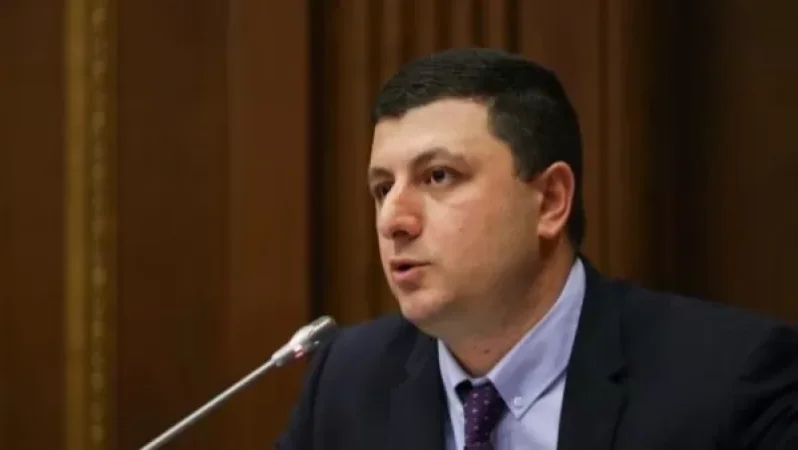
On September 27, I sent an official letter to Nikol Pashinyan regarding a problem of great importance for Armenia and Artsakh, posing a series of questions. This was reported by Tigran Abrahamyan, a member of the National Assembly’s "We Have Honor" faction on his Facebook page.
"In violation of the law, Nikol Pashinyan did not respond to my letter in a timely manner; instead, on October 25, the Foreign Minister replied, which can only be considered a very conditional 'response'.
My inquiry was as follows: Given the fact that the Armenian authorities are expressing willingness to resume negotiations with official Baku regarding the Artsakh issue, while Azerbaijan continues to speak to Armenia in a threatening and blackmailing language, there emerges a necessity to obtain an explanation regarding the following inquiries.
1. After the signing of the trilateral statement on November 9, 2020, as a political decision of the Armenian authorities, in the second half of December 2020, Armenian forces were withdrawn from the Khovsakan and Sanasar regions, thereby directly endangering the security of Syunik as well. As a result, two sections of the Goris-Kapan interstate road came under the control of Azerbaijani forces, while Azerbaijani troops were stationed near several segments of the road. As a result of the withdrawal of Armenian troops, a part of the Kapan-Jakaten road also fell under Azerbaijani control.
Since the withdrawal of the forces from these regions directly contradicts the first point of the trilateral statement of November 9, 2020, which states that the parties 'halt their occupation of positions,' my inquiries are as follows:
1. If this step was taken under the threat of Azerbaijan, what actions did the Armenian authorities take to avoid such a step in accordance with the first point of the November 9, 2020 statement?
2. Did the Armenian authorities appeal to Russia as the third party to the statement, other states, and international organizations regarding this issue? If so, what responses were received?
3. According to the Prime Minister of Armenia, the withdrawal of troops was the result of a 'verbal understanding.' When was this 'verbal understanding' reached and what was the reason for it to be verbal? Who were the parties involved in this 'verbal understanding'? According to the government, could the 'verbal understanding' serve as a legal basis for the withdrawal of troops? If it was only a 'verbal understanding,' then when and who specifically reached agreements with the Azerbaijani side regarding the timeline for the withdrawal of troops and the withdrawal line? Was there only a 'verbal understanding,' or was there also a written agreement?
4. The Armenian authorities have frequently denied the existence of any written documents regarding this matter, despite the fact that the text of a document handed over to the Armenian side by a Russian border guard officer in Syunik in February 2021, attributed to former Prime Minister Hrant Bagratyan, has circulated in the media many times. Does such a document exist?
a. If yes, b) When did the negotiations regarding this document take place? c) At what level were the negotiations conducted, and who represented the Armenian side? d) Who signed this document on behalf of Armenia and on what authority? e) How did it come into effect? Why has it not been ratified in accordance with the procedures established by the Law on International Treaties? f) Why has it not been published?
5. According to the second point of the document published in the media, in the road sections at the specified coordinates of Goris-Davit Bek and Kapan-Jakaten roads, to ensure the safe movement of individuals, vehicles, and goods, the border troops of the National Security Service of Armenia will place border posts in Armenian territory, while the state border service of the Republic of Azerbaijan will do so in Azerbaijani territory.
a) What was the basis for recording these specific coordinates?
b) Do the Armenian authorities consider the term 'Azerbaijani territory' to mean the territory of the Republic of Azerbaijan?
c) If yes, what is the necessity for such recognition and what is the legal basis?
d) Why is the name Kapan transliterated in Azerbaijani in the main text of the document? Can it be inferred that the Armenian side did not participate in drafting the project but only made reservations where they could not refrain from doing so. I ask that you address each question separately when responding to the letter.
The Foreign Minister's response, which says nothing, muddles the situation and obscures the seriousness of the problem, stating, 'In response to your written inquiry No. N 107/4275-2021 addressed to the Prime Minister of Armenia on September 27, and based on the relevant instruction of the Prime Minister of Armenia, we inform you that on September 15, during the Q&A session with members of the National Assembly, the Prime Minister addressed the issue of the Goris-Kapan highway, also presenting the Armenian side's position and approaches regarding the issue (see http://www.youtube.com/watch?v=Cxlyzmrm8Xo...) As for the verbal understanding regarding the mentioned road segment, the context and the security realities that emerged at that moment were thoroughly presented by the Prime Minister in the mentioned interview, within which a similar agreement was reached among the parties that signed the trilateral statement on November 9,'" concluded the article.
Նմանատիպ հոդվածներ
Ավելին Politics բաժնից
Ընտրությունների գիշերը ծեծել են կալանավորներին․ «Հրապարակ»
Վերցնե՞լ, թե՞ չվերցնել մանդատները․ «Հրապարակ»
ՔՊ-ում սրտատրոփ սպասում են ընտրությունների վերջնարդյունքներին․ «Հրապարակ»