Human Rights Defender Arman Tatoyan Appeals to Constitutional Court
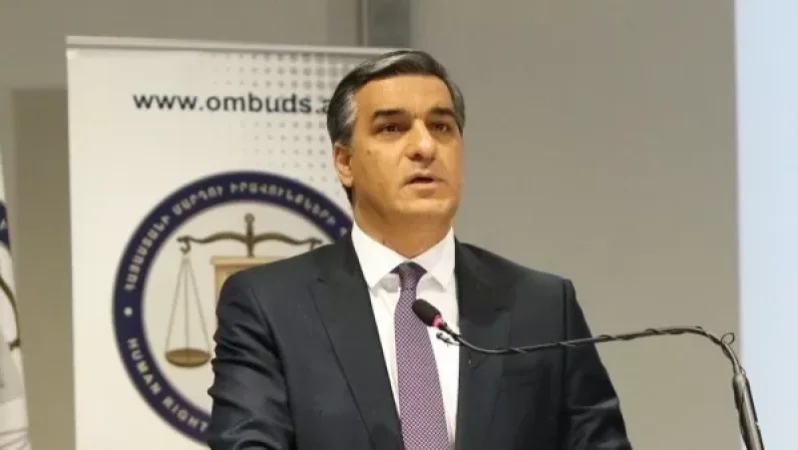
Today, I have submitted an appeal to the Constitutional Court regarding the compliance of restrictions on the work of accredited journalists in the National Assembly with the Constitution of the Republic of Armenia. This was announced by the Human Rights Defender of Armenia, Arman Tatoyan, on his Facebook page.
He specifically noted, “The appeal challenges, among other things, the provisions of the Regulations of the National Assembly of Armenia as a constitutional law.” The issue relates to the legitimacy of restrictions imposed on the activities of journalists within the premises of the National Assembly due to vague legislative formulations and lack of legal specificity that govern the security protocols in the building.
Another concern pertains to legal ambiguities in provisions that impose certain restrictions which, according to the Human Rights Defender, lead to disproportionate limitations on the right to freedom of expression and the right to receive information guaranteed by the Constitution, and do not comply with international practices and the obligations our country has undertaken.
The problem is that matters related to the professional activities of journalists in the National Assembly are inadequately regulated in the Assembly's internal regulations. There are no distinct legal provisions that would specify or delineate the work of accredited journalists within the premises of the National Assembly.
The practical consequences imposed on accredited journalists and the tools of accountability lack legal basis, have not been formalized at the legislative level, and are unpredictable even for the journalists themselves.
The appeal also addresses the situation created by vague regulations, whereby various public figures, including high-level officials, justify these restrictions on journalists' work by referencing justifications for combating crime. It is unacceptable for comparisons to be made between accredited journalists and individuals committing serious crimes (such as terrorism), further fostering stereotypes against journalistic activities in society and in specific institutions.
The obstacles to journalists' work, including instances of violence or the prohibition of their professional activity without justification, have been substantiated in the appeal with specific examples. The appeal also analyzes the behavior of security personnel and their actions toward journalists (such as demands to delete journalistic materials without justification, threats of revoking accreditation, etc.).
The work of accredited journalists in the National Assembly should be regulated not from the perspective of combating crime or ensuring security but from the viewpoint of the normal functioning of a specific body—with respect for professional activity and without impeding journalists' work.
For the Human Rights Defender, ensuring security in the National Assembly is fundamentally important, but restrictions on journalists' work should not be “hidden” behind security regulations.
Additionally, journalists themselves are not adequately aware of their rights, the limitations on their professional activities, including the precise boundaries, nature, purpose of those limitations, and the potential adverse legal consequences they may face for not adhering to these limitations.
The appeal notes that the Human Rights Defender's office has had discussions with the staff of the National Assembly. It is also reported that the Human Rights Defender has discussed the issues with the Speaker of the National Assembly. However, the matter remains in a state that requires resolution within the jurisdiction of the Constitutional Court.
In this appeal, the Human Rights Defender contests the compliance of Article 5, Part 2; Article 14, Part 7; and Article 54, Part 4 of the “Regulations of the National Assembly” constitutional law with Articles 42, 51, 75, 78, 79, and 81 of the Constitution of the Republic of Armenia.
Նմանատիպ հոդվածներ

Ավելին Society բաժնից
Մայր Աթոռ Սուրբ Էջմիածինը հայտարարություն է տարածել
Հորդառատ անձրևները կվերսկսվեն. հնարավոր է նաև կարկուտ, քամու ուժգնացում
Գյումրիի «Մայր Հայաստան» հուշահամալիրի տառերը պոկած տղամարդը ձերբակալվել է