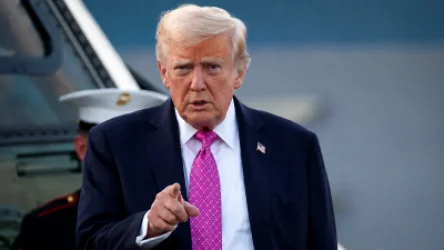
Why is Aliyev Acting Up Again and What is the Connection with Putin's Statements? Political Scientist Explains

Political scientist Armen Petrosyan wrote on his Facebook page:
“Recently, Ilham Aliyev's periodic fits, which are also expressed through escalating hostile rhetoric against Armenia and border military provocations, can be explained by certain remarkable developments regarding the Nagorno-Karabakh issue. In this context, it should be emphasized that any activation from Baku towards Armenia is also targeting Moscow as a key mediator in the processes unfolding on the ground in the post-war period with a secondary effect. The repeated violations by Azerbaijan of the provisions of the trilateral statement from November 9 not only have operational implications but also negatively impact Russia's reputation.
Moreover, the reasons behind Aliyev's recent outbursts can be viewed not only as a reaction to a series of objective realities in the region, manifested through various mediation formats and the peripheral activities of multiple stakeholders pursuing interests in the region (such as the OSCE Minsk Group, “Georgian platform,” EU, Iran, India, etc.). These realities have significantly reduced the effect of the victory in the war, as well as attempts to capitalize on it at the regional level (the same issue within Azerbaijani processes is a separate analysis topic).
Therefore, Baku's anxiety can be explained by some remarkable edits in Russia's positioning and rhetoric. Specifically, in addition to the unprecedented activity observed in Russia-Armenia relations across all possible platforms, notable changes are evident in the official Moscow's rhetoric regarding the Nagorno-Karabakh issue, and this at possibly the highest levels. For example, President Vladimir Putin has emphasized multiple times the fact that Russian peacekeepers will operate not in Nagorno-Karabakh but within the territory of Armenia itself. This was first stated during the meeting between the Presidents of Russia and Turkey on September 29 in Sochi, with the following phrase: “The ceasefire control center (the Russian-Turkish joint monitoring center located in Aghdam) is actively functioning at the border between Azerbaijan and Armenia.”
Then, on October 15, during his speech at the CIS leaders' council meeting, President Putin noted regarding the Karabakh conflict: “Thanks to our country's active support, it was possible to stop (which does not mean resolve, as Azerbaijan and Ankara assert) the conflict, and the Russian peacekeeping contingent acts as a guarantor of the ceasefire regime. With our assistance, humanitarian cargoes are being transported, areas are being cleared of mines, and I want to draw your attention to both sides, in both areas, within the territories of Azerbaijan and Armenia.”
This means that the Russian president repeatedly presents mine-clearing operations as happening not in Karabakh but in Armenia. Therefore, Russian peacekeepers operate in the territory of Russia’s ally Armenia, which, at least from Moscow’s perspective, sufficiently eases the resolution of issues related to extending the peacekeeping mission's duration, should the Azerbaijani side have any reservations about the matter after four years.
It is certain that such emphasis in official Moscow's rhetoric could not go unnoticed in Baku. It is also possible that by intermittently stirring tension within the mediation zone Moscow has taken on in the post-war period, the Azerbaijani side aims to gain separate bargaining opportunities in order to clarify the purpose behind the changes in Russia’s rhetoric.
Note: The previously mentioned emphases recorded in Putin’s rhetoric provide ample food for thought for the Armenian side as well. This is because this trajectory could gradually marginalize Nagorno-Karabakh as a self-sufficient subject of the conflict. Thus, it complicates the Armenian side’s opportunity to implement its position regarding the post-war formula of “separation for the sake of survival,” which is based on a diametrically opposed logic aimed at enhancing Nagorno-Karabakh's subjectivity grounded in international practice.”
Նմանատիպ հոդվածներ
Ավելին Politics բաժնից
Պուտինին դիմած և սպառնալիքներ հնչեցրած զինվորը ձերբակալվել է. մանրամասներ
Դատախազությունը հրապարակել է ընտրախախտումների ուշագրավ վիճակագրությունը
Սրբուհի Գալյանը՝ կենսաթոշակների բարձրացման մասին