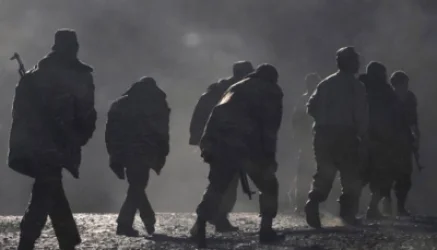
The Ombudsman's Proposal for Creating a Demilitarized Security Zone
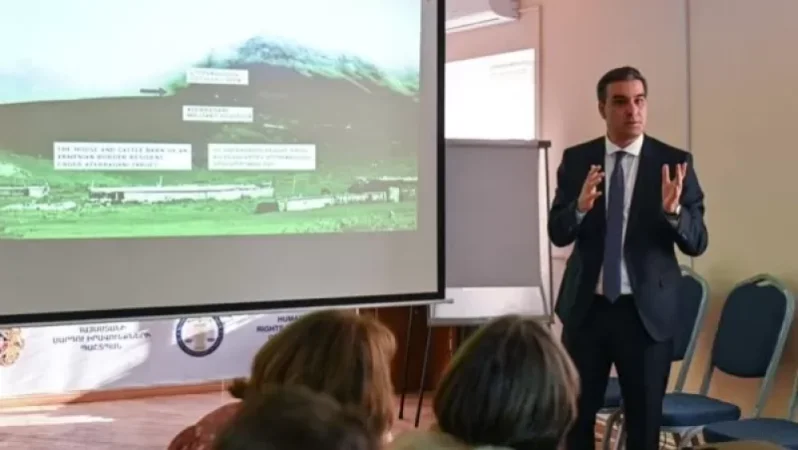
The violations by Azerbaijan have been presented with concrete evidence to the ambassadors of the Committee of Ministers of the Council of Europe by myself and Siranush Sahakyan. This was announced in a post on the Facebook page of the Armenian Ombudsman Arman Tatoyan.
“We have proposed the creation of a demilitarized security zone, the foundations for which were presented during a meeting today with the group of senior rapporteurs on democracy from the Council of Europe, led by the head of the delegation, the permanent representative of Sweden to the Council of Europe, Ambassador Martin Ehnborg. The Permanent Representative of Armenia to the Council of Europe, Paruyr Hovhannisyan, was also present at the meeting.
Ombudsman Arman Tatoyan, together with human rights defender Siranush Sahakyan, presented evidence of war crimes committed by Azerbaijani armed forces during the war in Artsakh in November-December 2020. He noted that the Azerbaijani armed attacks were accompanied by inhumane and cruel treatment, including beheadings and tortures of both prisoners of war and civilian captives.
Tatoyan provided evidence showing that hatred towards Armenians is generated by the authorities of Azerbaijan, including high-level bodies, and is widely propagated and encouraged by cultural, sports, and public figures, receiving public approval and often targeting children.
The Ombudsman also shared information regarding the violations of the rights of residents along the Armenian border by Azerbaijani authorities. He emphasized that issues related to the Republic of Armenia's state borders must be viewed from a human rights perspective to ensure that such rights are not sidelined or limited in their protection by the state's capabilities.
Tatoyan elaborated that as a result of illegal actions by Azerbaijan, individuals have been deprived of their homes, plots of land, and pastures that they had owned since the Soviet era, leading to serious social and security issues.
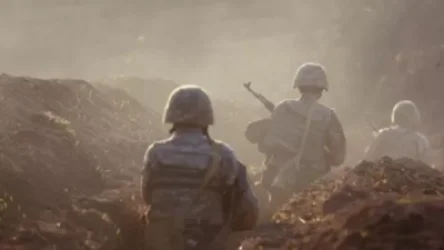
The illegal presence of Azerbaijani soldiers in the sovereign territory of Armenia, for example, at the Sevan Lake, has created significant security risks for surrounding communities, which are now in the line of fire as Azerbaijani soldiers have also opened fire on them.
Moreover, a portion of the people are unable to engage in animal husbandry, which is a source of income for their families, while in the Gegharkunik and Syunik regions, they cannot keep their livestock close to the meadows, provide water for them, or graze them in designated areas. The accessibility of water resources is threatened not only in Syunik but also in Gegharkunik, with several villages being deprived of water.
Tatoyan emphasized that delimiting the border with Azerbaijan, without establishing a security zone, and without the removal of Azerbaijani armed personnel, their signs, and surveillance cameras, will not only fail to ensure the rights of Armenian citizens, especially those living along the border, but will also lead to further violations of rights and new tensions.
During the meeting, both Arman Tatoyan and Siranush Sahakyan addressed the urgency of the return of Armenian prisoners held in Azerbaijan, noting that portraying them as “terrorists” or “saboteurs” grossly violates international requirements. Sahakyan specified that all military personnel and civilians of the Armenian side are captives by status and must be released and returned home immediately without any political or other preconditions. The Azerbaijani authorities are artificially delaying and politicizing the process, grossly violating the rights of the captives and their families, causing them suffering and creating tension in society.
Tatoyan and Sahakyan noted that violations will continue as long as the Azerbaijani side is not held accountable for war crimes. The delegation also included ambassadors of Russia, France, Finland, Andorra, Estonia, Iceland, Switzerland, as well as Verena Taylor, Head of the Directorate of Programs of the Council of Europe, Martin Schmidt, Head of the Council of Europe Office in Yerevan, and others,” the post stated.
Նմանատիպ հոդվածներ
Ավելին Society բաժնից
ՏԵՍԱՆՅՈՒԹ՝ համացանցը ցնցած ողբերգությունից․ աշխատակիցները մոռացել էին ամրացնել անվտանգության պարանը

Երեխայի առողջության շուրջ սկանդալային բացահայտում․ ձերբակալություն Արագածոտնի մարզում
Հրդեհը կանխել են. մանրամասներ