Former Prisoners of War Discuss Assistance from the State
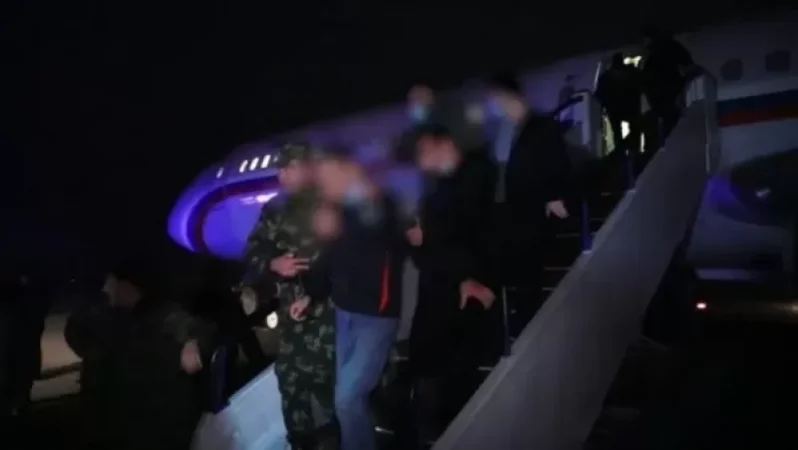
Former prisoners of war maintain contact with each other, socialize with their families, and regularly visit one another. They have no expectations from the state and always emphasize in conversations with journalists that their actions were for the homeland, and they do not regret it.
They are assisted by individuals, doctors, and benefactors. As war participants, they receive some support, but there is no structured information about what they are entitled to or what benefits they can avail themselves of, as reported by Hraparak.
Ruben H., who spoke with Hraparak, voluntarily went to the front lines. At 40 years old, he is relatively older. He says that the prisoners learned by chance that money had been deposited into their bank accounts. "We found out quite randomly from a relative working at the bank that each prisoner of war had received between 118,000 and 130,000 drams. We went to collect it. They called it a salary. But each of us received different amounts, which is unclear how they calculated. The amounts were different even for those who went, fought, and were captured on the same day, in the same bus. They do not explain to us why they are different," says Ruben H., adding that none of the prisoners have demanded anything from the state. "We went willingly; if necessary, we will serve the homeland again, but at least we should be informed about certain issues."
Among the boys, there is one who did not receive the 'salary' he was entitled to because he was unaware that such a thing existed. Ruben H. also informed that half a million drams had been allocated as support to the wounded. Many have used that money to pay for medical care, which has not always been effective.
"Our Vardan H., from Jermuk, for example, who returned, was transferred from the hospital in Kanaz to the Malayan Center. He had complications in his eye, but his condition worsened, and we understood that he might lose his sight. So, we took him to the 'Nairi' center, spending about 300 thousand drams out of our own funds. One of the doctors even administered costly injections for free, at his own expense," recounted the former prisoner of war.
The media outlet sought clarifications from the Ministry of Defense. They responded that the state does not care for former prisoners of war. "Prisoners of war do not receive any assistance. Upon returning, the Ministry of Defense is obligated to transfer them to a rehabilitation center for one month. They receive psychological support and medical assistance, but they do not receive any material or financial support. For the captured who were wounded, 500,000 drams were given as a one-time payment, but that was not given to the prisoners of war, only to those who were injured." The phenomenon of the 'salary' was explained by the Ministry of Defense as due to "there are servicemen whose commanders have recommended them for rewards."
Նմանատիպ հոդվածներ
Employees Can Go to Work Without Testing Until October 15, Lawyer on the Law
Pregnant Woman Dies from COVID-19, Avanesyan Makes a Statement
Armenian Side Did Not Open Fire on Azerbaijani Military Police Vehicle, MoD Denies
Ministry of Defense Addresses Outbreak of Respiratory Diseases in Military Units and Vaccination Process
Ավելին Society բաժնից
Հրդեհը կանխել են. մանրամասներ
Մահացել է գերությունից վերադարձած Կարլեն Ստեփանյանը
Քաղաքացի է որոնվում