Parents Voice Concerns Over High Number of COVID-19 Cases Among Teachers: Education Ministry Responds

Despite strict anti-epidemic measures related to COVID-19 testing and vaccination requirements, there are still schools where frequent cases of teacher infections are reported. Notably, there are also vaccinated teachers among those who have contracted the virus. ArmDaily.am reports that citizens have raised alarms about this issue.
“If vaccination does not guarantee safety, then why is it mandatory? I have two children, I take them to school and go to work, and before I even arrive there, they text me that I need to pick up the children at 10 AM because one of the teachers is infected. Should we leave work to rush to pick them up? Soon everyone will have to come to school with test results, and I am terrified thinking about how many teachers might test positive and how many schools could return to remote learning. We have experienced remote learning once, and we know the results. They are driving our children toward illiteracy again,” a concerned parent expressed.
Susanna Azatyan, head of the Department of Educational and Extracurricular Programs at the Ministry of Education, Science, Culture and Sports, spoke with the media, stating that although the Ministry of Health guidelines specify a transition to remote education once 10% infection rates are reached in schools, there are instances where this number isn't met. For example, at School No. 29, three teachers are responsible for 17 classes. Therefore, those teachers must work from home under any circumstances, leading to remote learning for those classes.
“Remote education is a legally defined form of education. Even if the 10% threshold is not reached, we inform schools to notify us and transition to remote learning. Currently, Schools No. 29 and Martuni High School have fully transitioned to remote learning. Up until now, there were four schools that had shifted to remote education, but they have since returned to in-person learning,” she noted.
When asked about the number of schools with individual classes having transitioned to remote learning, Azatyan mentioned that the figures are fluid—some return to in-person learning while others go remote, so that data is constantly changing. She also highlighted that with the current widespread seasonal flu, many parents are more cautious and are reluctant to send their children to school.
Regarding the need to review the 10% threshold, she emphasized that remote education can currently be conducted smoothly, even though its effectiveness isn’t 100%. Given that there are no restrictions in other sectors, the ministry leans toward continuing education in this manner. “It is more appropriate for classes or schools where the risk factor increases to switch to remote education and then return whenever feasible, especially since we do not know when this situation will end. We now have regulations that ease our work considerably,” she added.
Ripime Khachatryan, press secretary of the Ministry of Health, shared with ArmDaily.am that since the Ministry of Education has provided feedback stating that remote learning significantly impacts educational quality, they have adopted localized remote education decisions to prevent disruption of the teaching process across the country. “Schools where the infection rate surpasses 10% will transition to remote education. I do not know whether that rate will be revised; everything depends on the epidemiological situation. We are flexible in this regard and aim to respond quickly to the situation, making situational decisions that I believe are effective in the case of COVID-19. Once the situation stabilizes, I believe these schools will return to normal teaching processes,” she stated.
Addressing the instances of infections among vaccinated teachers, she noted that they do not dismiss the possibility of infections even post-vaccination. “It is about the reduction of probability. The risk of vaccinated individuals getting infected decreases by three times. A general observation is that if a COVID-positive individual enters a room with four people present—three unvaccinated and one vaccinated—the unvaccinated ones will definitely get infected with the Delta variant, while the fourth, if vaccinated, has three times lesser probability of getting infected. This is global data, and we monitor existing statistics. This is a universal problem, and Armenia is not alone in fighting it. The scientific community worldwide is constantly seeking alternatives, and these are continuously evolving because COVID-19 requires a situational approach,” she concluded.
Նմանատիպ հոդվածներ

Ավելին Society բաժնից
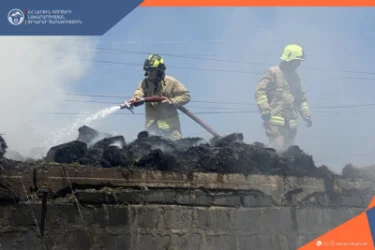
Հրդեհը կանխել են. մանրամասներ

Մահացել է գերությունից վերադարձած Կարլեն Ստեփանյանը

Քաղաքացի է որոնվում