Intensifying Tensions Between Iran and Northwestern Neighbor Azerbaijan: What Le Monde Reports
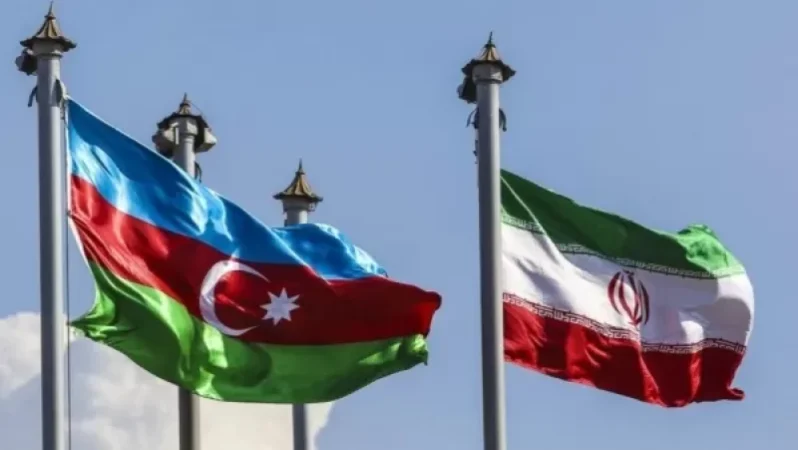
The French newspaper Le Monde has addressed the situation in the South Caucasus, particularly the Iran-Azerbaijan tensions:
“Military exercises, sharp observations. Tensions are escalating between Iran and its northwestern neighbor Azerbaijan. Tehran accuses Baku of allowing its long-standing enemy, Israel, to carry out 'provocative actions' at the Iran-Azerbaijan border. Iranian leaders state that they will not tolerate Israeli actions or geopolitical changes in the region and along the borders.” Azerbaijan responds by stating that these are “baseless accusations,” writes Le Monde.
“Iran fears Israel’s growing influence in Azerbaijan, as Baku, which has maintained diplomatic relations with the Jewish state since the early 1990s, has become a major customer of Israel's military industry. In 2016, Ilham Aliyev announced that Baku had spent $5 billion on acquiring military equipment from Israel. According to the Stockholm International Peace Research Institute, from 2017 to 2019, Tel Aviv became the largest foreign supplier of arms to Azerbaijan, with sales exceeding $375 million,” the article's authors report.
“This figure may be even higher. This cooperation is kept secret to prevent Iranian anger, but for at least 15 years, Israel has been supplying weapons and military advisors to Azerbaijan to assist in intelligence and training. This military alliance strengthened during the autumn of 2020 during the war in Nagorno-Karabakh (against Armenia). At that time, Israel provided decisive support to Baku, particularly supplying it with high-tech drones,” said Anar Valiyev, an associate professor at ADA University in Baku.
He pointed out that “a crucial element of the crisis between Iran and Azerbaijan is Iran's concern that Azerbaijan may request a corridor through Armenian territory, which would link the Nakhchivan exclave, thereby separating southern Armenia from the rest of the country and cutting Tehran off from access to Armenia, Georgia, and the Black Sea.”
However, Le Monde notes that despite this rise in tensions, the risk of a regional conflagration is considered unlikely.
Նմանատիպ հոդվածներ
Today, an Artsakh resident was shot dead by a sniper in a pomegranate orchard. Tatoyan provides details

Access to Leisure Venues Prohibited Without Vaccination or Testing, Minister Says
David Tonoyan Arrested on Suspicion of Large-Scale Embezzlement: NSS
Opponent Provokes in the Gegharkunik Direction, Casualty Reported
Ավելին Society բաժնից
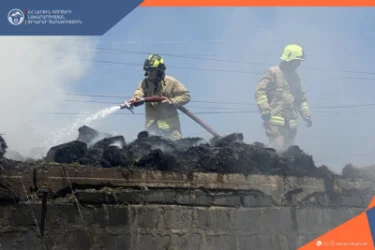
Հրդեհը կանխել են. մանրամասներ

Մահացել է գերությունից վերադարձած Կարլեն Ստեփանյանը

Քաղաքացի է որոնվում