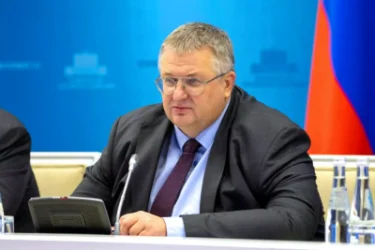
Azerbaijan Forced to Make Concessions: Minsk Group Resumes Its Activities
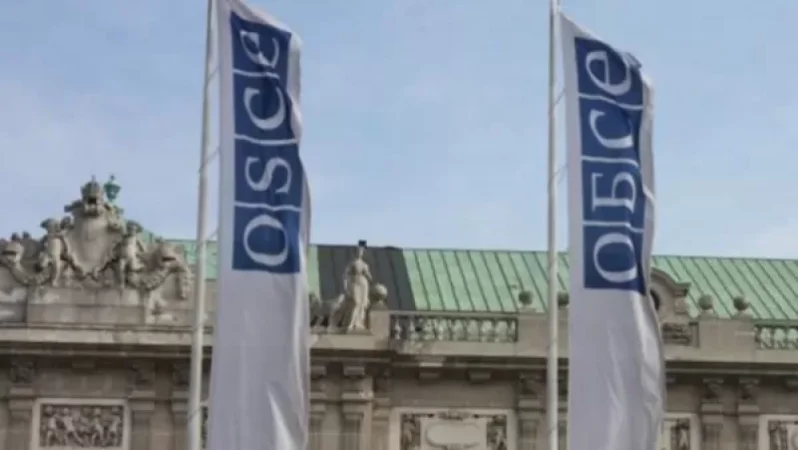
Evgeny Chausovsky, a researcher at the Newlines Institute for Strategy and Policy, views the gradual restoration of the OSCE Minsk Group's negotiation process and the resumption of Armenian-Azerbaijani dialogue under the co-chairmanship as a positive development regarding the Nagorno-Karabakh issue. However, he does not expect major changes from the Minsk process.
In an interview with Armenpress, Chausovsky noted that the first meeting between the foreign ministers of Armenia and Azerbaijan mediated by the OSCE Minsk Group co-chairs after the second Nagorno-Karabakh war of 2020 and the ceasefire agreement on November 9 shows the willingness of both sides to resume negotiations. However, the American analyst is not convinced that the Minsk Group will be the primary channel for real progress in the diplomacy surrounding Nagorno-Karabakh.
“It is hard to say how effective the Minsk Group will be, but we have seen some positive signals on the diplomatic front. I am not sure that the Minsk Group will be the primary channel through which real progress will occur. The fact that the parties express a willingness to resume negotiations should be viewed positively, but I think there are limitations to major diplomatic breakthroughs right here. Thus, I do not expect major changes. However, the fact that the parties are willing to resume dialogue is a positive signal,” the American analyst commented.
In this context, the Newlines Institute expert referred to the apparent disagreements between the co-chairs of the Minsk Group, on one hand, Russia, and on the other, Western partners, France and the United States, regarding the comprehensive resolution of the Nagorno-Karabakh issue and especially the status of Artsakh.
The issue is that after the 44-day war in 2020, which ended with a ceasefire statement signed between the leaders of Armenia and Azerbaijan under Russian mediation, official Moscow emphasized the implementation of the provisions of the well-known trilateral statements signed on November 9, 2020, and January 11, 2021, in the Russia-Armenia-Azerbaijan format, while the Western co-chairs, especially Washington, called for the resumption of substantive negotiations in the framework of Minsk Group co-chairmanship, focusing on clarifying the status of Nagorno-Karabakh.
However, in early September, official Moscow, represented by the spokesperson of the Russian Foreign Ministry Maria Zakharova, began to change its rhetoric by supporting the activation of the Minsk Group co-chairs' work on the basis of the existing mandate for the resolution of the Nagorno-Karabakh issue. Shortly after this statement, a meeting organized by the co-chairs took place in New York.
According to Evgeny Chausovsky, Russia would certainly want to maintain control over the process parallel to the Minsk Group through alternative formats, but the frequent ceasefire violations and destabilization of the security situation over the past few months have forced Moscow to seriously consider restarting the Minsk Group co-chairing process.
“Russia does not want to completely shut down the discussion channels with the other co-chairs of the Minsk Group, the United States and France, especially considering the instability in the region. This is one of the factors that compels Russia to support the resumption of the Minsk Group process,” noted expert Evgeny Chausovsky from the American Newlines Institute.
Russian political scientist Alexander Skakov also expressed his opinion on this topic in an interview with Armenpress, referring to the fact that Azerbaijan, after a year of stubbornness, has finally made concessions by agreeing to meet with the Armenian side within the framework of the Minsk Group co-chairmanship. “Azerbaijan shows a willingness to negotiate, but a willingness to negotiate does not necessarily mean that it will negotiate in a direct sense. In other words, Azerbaijan will try to show that it is ready to negotiate, will talk about it on this platform, that platform, but it will not actually negotiate on anything. This is the current policy of Baku,” said Alexander Skakov.
Նմանատիպ հոդվածներ

Ավելին Politics բաժնից
Արաղչին` ռուսական առաջարկի մասին
Փաշինյանը հանդես է գալիս պատերին ծեփելու, ասֆալտին փռելու սպառնալիքներով. Իվետա Տոնոյան
Ալիևը նորից սպառնում է «Զանգեզուրի միջանցքով»