Open Skies Policy Adopted in 2013: Aviation Consultant Shares Details
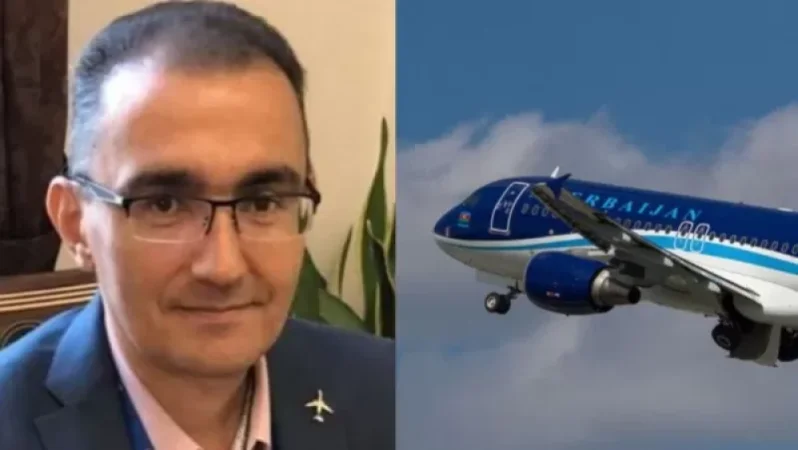
Aviation consultant and auditor Navik Khachatryan told ArmDaily.am that Azerbaijan's use of Armenian airspace falls under the open skies policy. He pointed out that although navigation is a different profession, he can assert that Azerbaijan's use of our airspace is a consequence of open skies policy.
“The open skies policy was adopted on October 23, 2013, wherein Europe mandated that all states are required to keep their airspace open throughout Europe. Previously, each country's air service agreements were resolved intergovernmentally, meaning they were negotiated between two states, and each would designate a carrier; a third or fourth carrier could not get involved. Now these permissions that are being granted are likely intended to eliminate bureaucratic hurdles, allowing all countries to transition to an open skies policy. They simply submit a request stating that they want to fly from this location to that location, and that air route passes through your airspace—you have no right to deny that permission since you signed the open skies agreement, which was finalized during Prime Minister Tigran Sargsyan’s term in office,” Khachatryan said.
The aviation consultant remarked that when they attempted to protest against signing this treaty, Sargsyan dismissed them from his office, asserting that European airlines would enter Armenia, ticket prices would decrease, and he advised concerned experts who raised national security concerns regarding the ability of Armenian aviation to compete with developed and powerful European airlines to focus on reducing ticket prices instead.
“At that time, there was one airline—Air Armenia—but it collapsed in 2014. I have written extensively about our concerns, yet they were never taken seriously,” Khachatryan notes.
He emphasizes that if there had been a patriotic leader, it would not matter whether the aircraft were from Turkey or Azerbaijan; any cargo flight that likely transported weapons to subsequently be used against our young men would compel the defense of the airspace through all available means.
“If a cargo plane from Azerbaijan or Turkey entered our skies, Armenian Air Force fighters would ascend and intercept that aircraft from one of our airports, detaining the crew until the aircraft was thoroughly inspected. If no weapons were found, they could take their pilots home; however, if weapons were discovered, we could address the relevant authorities to carry out their functions,” Khachatryan asserts.
The aviation auditor notes that Azerbaijan could also bypass Armenian airspace, as we are a small country, and it would not be an issue for Azerbaijan to reach its destination via an alternative route. He cites Ukraine as an example, stating that closing airspace to Russian aircraft would be expensive, as Ukraine's airspace is quite large; however, Armenia's airspace is so small that it would not pose serious challenges.
Khachatryan points out that the head of Civil Aviation is appointed by the Government leader, and therefore, operates under government directives. Expecting independent operation from the committee in this regard is futile. He adds that these issues are regulated by politics, and the realities in the aviation sector are also conditioned by the policies pursued by the country's authorities.
Նմանատիպ հոդվածներ



Ավելին Society բաժնից
Հրդեհը կանխել են. մանրամասներ

Մահացել է գերությունից վերադարձած Կարլեն Ստեփանյանը

Քաղաքացի է որոնվում