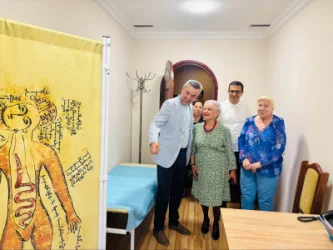
After the War, It Was Important to Record the Milestones Toward Which Armenia Should Move: Prime Minister
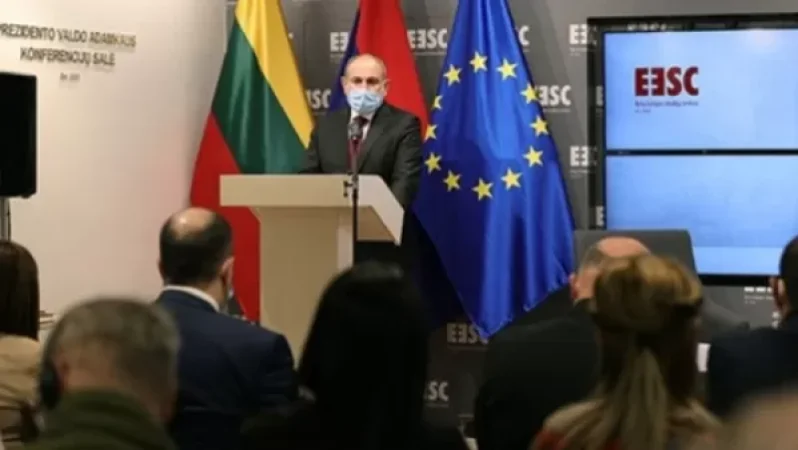
During an official visit to Lithuania, Prime Minister Nikol Pashinyan visited the Eastern European Studies Center in Vilnius and met with representatives of the expert community.
The Prime Minister first addressed the ongoing processes in our country and the South Caucasus region. Specifically, Nikol Pashinyan noted that the snap parliamentary elections held in Armenia in June served for the first time in the history of our republic as a tool to overcome the internal political crisis. "Usually, elections in our country have led to internal political crises, and perhaps the noisiest internal political issues in our country's history have arisen in the period following elections. This is the first case where elections have become a tool for overcoming a crisis, rather than an occasion. Serious discussions began after the war about how fitting the parliamentary system is for Armenia; there were indeed reasons for them, but I must note that these elections were rated as free, competitive, and democratic by international observers for the second consecutive time in Armenia's history, which is also unprecedented," said the head of government.
According to Nikol Pashinyan, these elections, which took place in the post-war period, also generated significant political content. "After the war, it was important to record the milestones toward which Armenia should move. I must admit that the answers to these questions in the political arena were not so clearly formulated, but the recent elections generated concrete political content. At least in the case of our political force, it was not so much a political campaign as a dialogue with citizens, where they were not only in the role of listeners but also of speakers. We were listening to what citizens think about our previous 30 years of history. At this juncture, the strategy was formulated that the Government of Armenia included in its program; we formulate the need to open a new era of peaceful development for Armenia and the region," the Prime Minister stated, adding that it also faces criticism, which is understandable.
"Because there are events happening every day that, in fact, cast doubt on how possible peace is in our region or the appropriateness of the situation we have regarding the Republic of Armenia and the Nagorno-Karabakh conflict. There is also a broader question of how capable democracy is to ensure security and peaceful development. But our position is clear; despite all the circumstances that cast doubt on the competitiveness of the peace agenda, we must consistently move forward down that path. We believe that a policy of small steps should be adopted without rushing to set insurmountable benchmarks. But on the other hand, concrete results and processes are necessary, and in this regard, we consider the restoration of the peaceful process in the framework of the OSCE Minsk Group towards the resolution of the Nagorno-Karabakh conflict to be important," emphasized Prime Minister Pashinyan.
Subsequently, the head of government answered numerous questions from experts regarding the prospects of peace in the South Caucasus, the process of resolving the Nagorno-Karabakh conflict, the implementation of democratic reforms in Armenia, the development of Armenia-European Union relations, and several other topics.
Նմանատիպ հոդվածներ
David Tonoyan Arrested on Suspicion of Large-Scale Embezzlement: NSS
Opponent Provokes in the Gegharkunik Direction, Casualty Reported
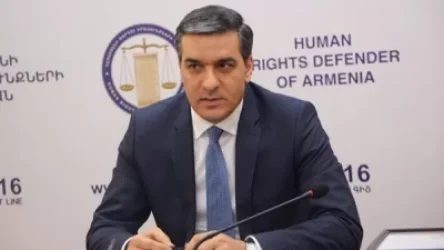
Today, an Artsakh resident was shot dead by a sniper in a pomegranate orchard. Tatoyan provides details
Ministry of Defense on the Health Condition of Injured Soldier
Ավելին Society բաժնից
Հրդեհը կանխել են. մանրամասներ
Մահացել է գերությունից վերադարձած Կարլեն Ստեփանյանը
Քաղաքացի է որոնվում