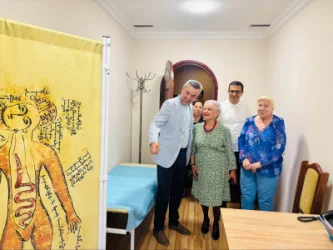
Human Rights Defender on Issues of State Order Service in Healthcare Sector
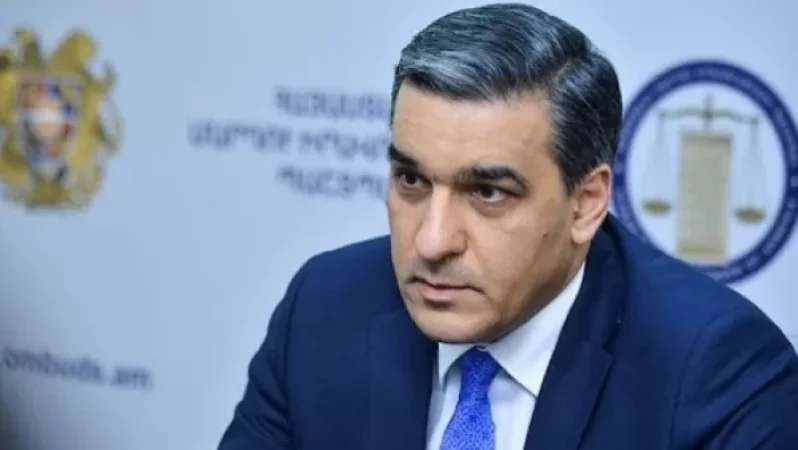
The premature exhaustion of the state order in the healthcare sector is a systemic issue, causing individuals to be deprived of urgent medical assistance, writes the Human Rights Defender of Armenia.
The problems related to the provision of free medical assistance due to the exhaustion of the state order are under the attention of the Human Rights Defender. The proposals for the redistribution of sectoral financial resources included in yesterday's Cabinet session are important but are only a short-term solution to the issue. However, the problem has a systemic nature.
To prevent similar situations in the future, additional steps from the state are necessary to genuinely guarantee people's constitutional right to health maintenance.
Just a week ago, the Human Rights Defender sent a letter to the Ministry of Health regarding the exhaustion of funds allocated for the provision of free medical assistance.
In connection with the issue, the Defender is also monitoring press publications. Interviews have taken place with non-governmental organizations providing support to individuals with disabilities and those belonging to specific groups. The Defender's office has received alerts that people are unable to realize the free and preferential medical assistance guaranteed by the state due to the exhaustion of the state order. As a result, people's rights are being violated.
For instance, in one case, a first group war veteran suffered a stroke and was transferred to various hospitals for tests and medical care by ambulance. Hospitals refused to provide medical care under the state order, citing the exhaustion of funds, and one of the hospitals even stated that the treatment would be provided on a paid basis. After some time, the patient's health deteriorated, with the risk of a second stroke emerging, and the doctor provided a referral for magnetic resonance imaging (MRI), but it could not be carried out under the state order.
In some cases, individuals have been directed to schedule procedures or treatments for the next year. While the tests indicated by the doctor were not classified as urgent, they are directly related to the person's right to health maintenance, and postponing them would lead to irreversible consequences for the individual's health.
The Defender's office demonstrates that the problem pertains not only to outpatient inaccessible tests but also to inpatient medical care. For example, in one case, the first surgery indicated for an injured person was carried out under the state order, while the second could not be conducted for free because the state's allocated places were exhausted.
There have been instances when narrow specialists indicated surgical treatments aimed both at restorative care and preventing further deterioration of health, provided referrals, but surgeries under the state order have not been conducted indefinitely, leading to the impossibility of health recovery.
In another case, a child with a disability was provided with a referral for an inaccessible test in Yerevan. The child was transferred from the province to Yerevan for the examination but could not avail of free medical services due to the exhaustion of the allocated state order.
Cases of early exhaustion of the state order have also been recorded in previous years, but usually, this issue emerged at the end of the year, not a whole quarter in advance, as has happened now. Previous reallocations of planned resources were also carried out, which cannot preclude the emergence of similar situations in the future.
This systemic issue has been exacerbated by the COVID-19 pandemic and the war aftermath. Therefore, the Defender notes that the implementation of a mandatory health insurance system should be considered as a solution to this systemic problem, which would create a new social institution and a new approach to the financing of medical services.
The introduction of a mandatory health insurance institute will ensure access to healthcare services for specific groups of the population under the mandatory participation of the state.
Նմանատիպ հոդվածներ




Ավելին Society բաժնից
Հրդեհը կանխել են. մանրամասներ

Մահացել է գերությունից վերադարձած Կարլեն Ստեփանյանը
Քաղաքացի է որոնվում