Hadrut Woman Reveals Azerbaijani Forces Tortured and Hanged Her Husband in Their Home: Forbes Coverage
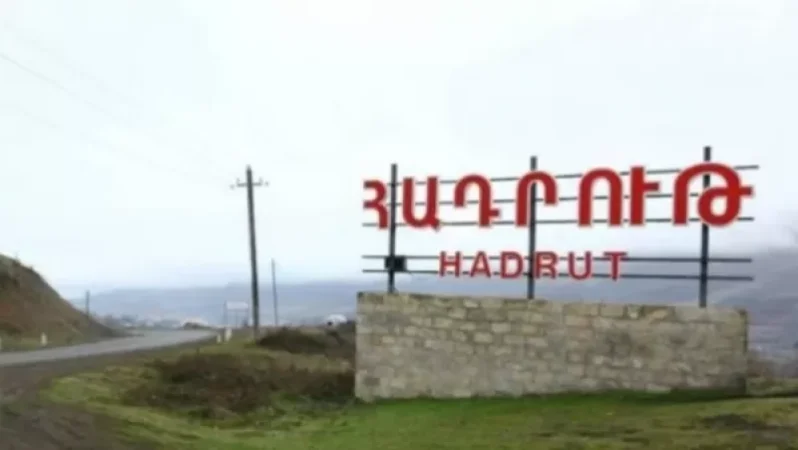
Forbes has examined the ongoing threats and violations by Azerbaijan one year after the unleashing of war crimes against ethnic Armenians, marking the anniversary of the 44-day Artsakh War. In her article, author Jackie Abrahamyan highlights the challenges faced by women who have survived the war, as well as issues of post-traumatic stress and displacement.
In Armenia, men constitute 45% of the population, with over 10,000 veterans suffering disabilities due to this war, while hundreds endure severe burns caused by white phosphorus used by Azerbaijan. In such conditions, the burden of caring for displaced and economically challenged individuals largely falls on women.
Women make up 30% of the IT workforce in Armenia, while globally, the average share of women in the IT sector is less than 20%. To create opportunities for better-paying jobs for displaced women, the Gyumri Information Technology Center (GITC) is offering free web development courses to 100 women members of veteran families. The initiative is supported by Armenian donors living in the USA, including the Armenian Relief Fund.
“GITC’s initiative provides women with affordable skills and the opportunity to build a strong, high-paying IT career with flexible remote work options that can be balanced with family and household responsibilities,” explains Amalya Yeghoyan, executive director of the Gyumri IT Center, who is negotiating job placement opportunities for GITC program beneficiaries with the private sector.
Claire Evans, head of the Artsakh project at the International Christian Concern (ICC), notes that nearly 60,000 displaced Armenians from Artsakh are currently residing in Armenia. “As the Armenian government's temporary housing program is set to expire at the end of the year, we anticipate a serious housing crisis at the beginning of 2022 if the government is unable to complete the construction of new homes,” Evans explains. She elaborates that women displaced from villages need seeds for gardens and livestock as starter support to generate income and improve their quality of life. They also require hygiene supplies, including sanitary pads and washing machines, as they lack the means to do laundry.
Evans cites the case of a woman displaced from Hadrut, whose husband was “tortured and hanged in their home, and her son was killed on the battlefield.” She is now living in temporary accommodation in Yerevan. “For her, returning home is no longer an option, as Hadrut is now completely occupied by Azerbaijanis,” says Evans. “She has suffered such trauma that she struggles to even communicate and has no source of income. She took out a loan to buy a home but cannot pay the whole amount. We believe that this is the best long-term option for her.”
The ICC continues to provide services to hundreds of displaced individuals, including an 11-year-old boy and his family, who wish to return to Artsakh. The family’s bride-to-be had to say farewell to her deceased father on the eve of her wedding.
Continuing to monitor Azerbaijan's ongoing crimes against Armenian prisoners, the ICC's humanitarian outlook calls for an in-depth investigation into the situation in Artsakh, encouraging the international humanitarian and religious freedoms community to take steps for “awareness, support, and advocacy.” It also calls for humanitarian assessments of the needs of remaining residents in Artsakh. Identification documents for displaced persons, and the “seizure and alleged destruction of personal property” by Azerbaijan and Turkey further isolates survivors from possible “humanitarian solutions.”
“Families of the missing live a daily nightmare; many of their children are essentially abducted (underage soldiers). As a mother, I feel deep compassion and grief for the families of prisoners, especially for mothers and young women,” states Tamar Voskanian, an ethics lawyer and one of the founders of CFTJ. According to her, the issues faced by women in Armenia have multiplied due to the war, as they previously struggled with numerous hardships amid a newly-formed economy and political instability. Meanwhile, women with higher education remain underrepresented in the governance of the country, as evidenced in recent elections, where only one out of 15 appointed ministers was a woman.
“One of the goals of CFTJ is also to expand the role of women in Armenia's legal system, thereby raising their status in society. While attempting to heal the wounds left by this war, women are shouldering Armenia during these difficult times and preparing it for a brighter future.”
Նմանատիպ հոդվածներ
Ավելին Society բաժնից
Մահացել է գերությունից վերադարձած Կարլեն Ստեփանյանը
Քաղաքացի է որոնվում
Մատենադարանն առաջին օգնություն կցուցաբերի