Armenia's Foreign Ministry Responds to Ilham Aliyev
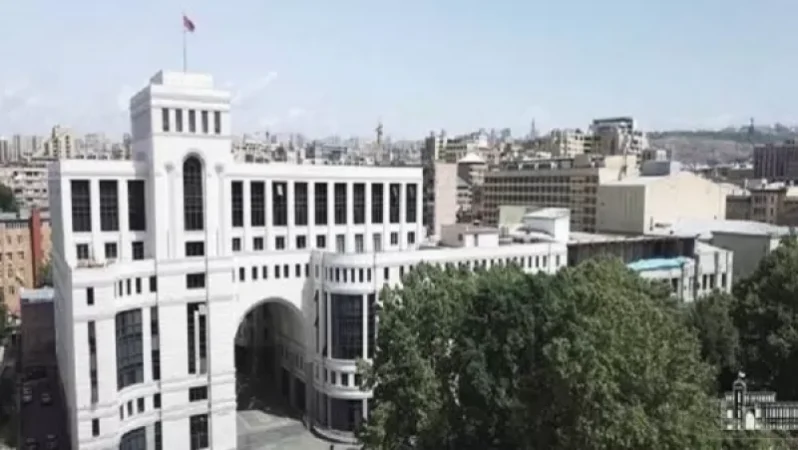
Despite the agreement between the co-chairs of the OSCE Minsk Group in New York to resume visits to Artsakh with Yerevan and Baku, Ilham Aliyev continues to make aggressive statements. This time, Aliyev excluded the possibility of granting any autonomy to the Armenians living in Nagorno-Karabakh, as he puts it.
The President of Azerbaijan has repeatedly stated that the Nagorno-Karabakh conflict has ended through military means. “At one time, we proposed granting a certain degree of self-governance to the Armenians, but they rejected that option. They spoke only about 'independence.' And now, when the conflict is in the past, they are raising the issue of autonomy. However, the question of granting autonomy is not on our agenda,” said Aliyev.
The Armenian Foreign Ministry responded by stating that a comprehensive and lasting solution to the Nagorno-Karabakh conflict requires determining the status of Artsakh. In response to Aliyev's statements, Foreign Ministry spokesman Vahan Hunanyan noted, “A comprehensive and lasting solution to the Nagorno-Karabakh conflict requires determining the status of Artsakh, taking into account the realization of the inalienable right to self-determination, ensuring the security of the Artsakh people, enabling the safe and dignified return of displaced persons to their homes throughout the entire territory of Nagorno-Karabakh, and preserving Armenian cultural and religious heritage in the territories that have come under Azerbaijani control.”
Moreover, the Armenian Foreign Ministry had declared on the anniversary of the 44-day war that only agreements reached within the framework of a peaceful process could open a new chapter for peace, security, and development in the region. Specifically, they stated that Armenia would continue its commitment to restoring and protecting the rights of the people of Artsakh and work towards achieving a fair, comprehensive, and lasting solution to the Nagorno-Karabakh conflict, ensuring the right of the Armenian population in their homeland to live freely, securely, and with dignity.
Նմանատիպ հոդվածներ

Ավելին Society բաժնից

Մահացել է գերությունից վերադարձած Կարլեն Ստեփանյանը
Քաղաքացի է որոնվում
Մատենադարանն առաջին օգնություն կցուցաբերի