Release of Prisoners: PACE Adopts Resolution on Nagorno-Karabakh
The Parliamentary Assembly of the Council of Europe (PACE) has adopted a resolution regarding the humanitarian consequences of the Nagorno-Karabakh conflict in Strasbourg, as reported by Ruben Rubinyan, the Vice Speaker of the National Assembly, on his Facebook page.
“Despite recent attempts by Azerbaijan to remove the name of Nagorno-Karabakh from international documents (the Azerbaijani president made such a call from the UN podium two days ago), we managed to change the title and text of the resolution, including the phrase 'Nagorno-Karabakh conflict,' which is very important,” Rubinyan stated.
Azerbaijan and Turkey’s delegations voted against the resolution. Important points in the resolution for us include:
- The Assembly notes that both Armenia and Azerbaijan, having joined the Council of Europe in January 2001, have committed to resolving the conflict solely through peaceful means. Thus, the six-week war in 2020 constitutes a breach of these obligations and should receive an appropriate response from the Council of Europe.
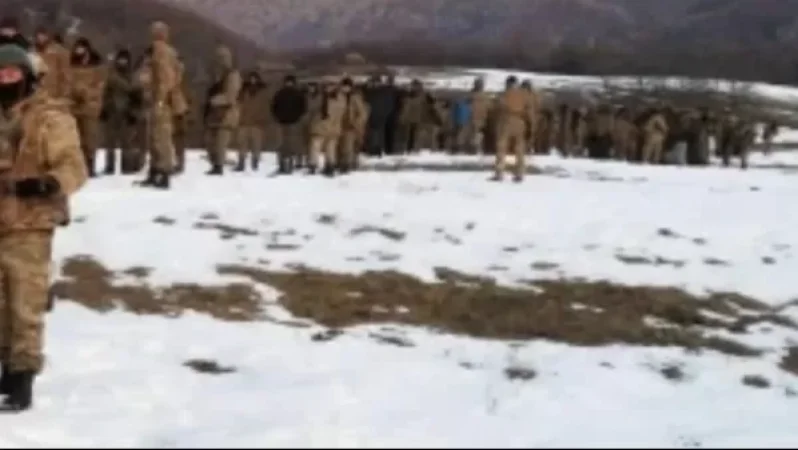
- However, the Assembly notes the concerns conveyed to the Committee of Ministers on March 16, 2021, regarding the 188 Armenians captured by Azerbaijan (some of whom have been returned to Armenia). In this regard, the Assembly finds that the clear purpose of Article 8 of the Trilateral Statement is the exchange of all detained persons, irrespective of the status assigned by either party.
- It is deeply concerned about the fate of approximately 30 Armenians, who were allegedly seen, filmed, or photographed in captivity, and about the absence of any information regarding their current whereabouts. The Assembly is alarmed by claims that these individuals have been subjected to enforced disappearance and may have been killed.
- The Assembly calls on Azerbaijani authorities to expedite the investigation into this matter and provide relevant information to the European Court of Human Rights and Armenia.
- It continues to be concerned about the conditions of detention for around 45 Armenians captured after the Trilateral Statement, many of whom are undergoing expedited criminal proceedings, raising issues regarding the necessity for a fair trial as enshrined in the European Convention on Human Rights.
- The Assembly calls on Azerbaijani authorities to release all remaining prisoners and return them to Armenia without delay.
- The Assembly encourages the European Committee for the Prevention of Torture (CPT) to make an urgent visit, despite the fact that the ICRC has regular access privileges.
- It references disturbing evidence that Azerbaijan, with the help of Turkey, has employed Syrian mercenaries.
Regarding those who have remained or returned from Nagorno-Karabakh, the Assembly...
...deeply regrets the absence of the international community from the region due to the existing entry disputes between Armenia and Azerbaijan, taking into consideration its Resolution 2240 (2018) on 'Unrestricted Access to Member States, including 'Gray Zones,' for monitoring mechanisms from the Council of Europe and the UN on human rights,' and reminds member states of the Council of Europe of their legal obligations to fully cooperate and diligently engage with international human rights monitoring mechanisms, including those from the Council of Europe and the UN.
The Assembly also reminds that all individuals within the territory of the Council of Europe, including those residing in conflict zones, are entitled to full protection under the European Convention on Human Rights, including through relevant monitoring mechanisms.
Furthermore, it shares the sentiment of abandonment expressed by individuals in the region and emphasizes their concerns over border incidents, the presence of Azerbaijani troops, and the regular sound of gunfire.
The Assembly notes the difficulties they face regarding livelihoods, restoration from war damages, provision of new housing, and the protection of fundamental human rights.
It calls upon all involved states to ensure unimpeded access for international independent humanitarian organizations and representatives of mass media to the Nagorno-Karabakh region.
The Assembly is seriously concerned about the increasing incidents at various points along the border since May 2021. There have been fatalities and injuries, and Armenian soldiers have been taken as captives.
In addition, it condemns the destruction of Armenian cultural heritage in Azerbaijan over the past 30 years, particularly in the Nakhchivan Autonomous Republic and condemns the deliberate damage to cultural heritage during the six-week war, including the premeditated shelling of the Holy Savior Church and the Ghazanchetsots Church in Shushi, as well as the destruction or damage to other churches and cemeteries during and after the conflict.
In light of past devastations, it continues to be concerned about the fate of many Armenian churches and monasteries, including the Khutavank/Dadivank monastery, as well as cross-stones and other types of cultural heritage that have returned to Azerbaijani control.
It expresses concern regarding the emerging narrative promoting 'Caucasian-Albanian' heritage in Azerbaijan, potentially replacing what is considered 'Armenian' cultural heritage.
The Assembly proposes that UNESCO examine the emerging narrative that promotes 'Caucasian Albanian' heritage to ensure it is not exploited by one of the parties.
Hatred speech remains a long-standing issue in both countries, as the European Commission against Racism and Intolerance notes in its reports, particularly concerning Azerbaijan, which has also been criticized by the Advisory Committee on the Framework Convention for the Protection of National Minorities.
Statements are being made at the highest levels in Azerbaijan that continue to misrepresent Armenians in unacceptable ways. The so-called 'Strategist's Park' in Baku raises serious concerns, and the Assembly believes that the use of caricatured and stereotypical mannequins exacerbates the level of intolerance and should have no place in society or museums.
The Assembly remains concerned and affected by the continued obstruction of international organizations visiting Nagorno-Karabakh, calling on both sides to facilitate their access.
Thus, the Assembly recommends that the Committee of Ministers follow up on the notification given to the Committee of Ministers on March 16, 2021, regarding Armenian prisoners and facilitate the resolution of this ongoing issue,” the post states.
Նմանատիպ հոդվածներ


Ավելին Society բաժնից

Քաղաքացի է որոնվում

Մատենադարանն առաջին օգնություն կցուցաբերի

Տոննաներով թափել ենք ծառերի տակ. տնտեսվարողները տարակուսած են