At 09:30 I Called Nikol Pashinyan, He Answered Immediately: Sagatelyan on the First Day of War
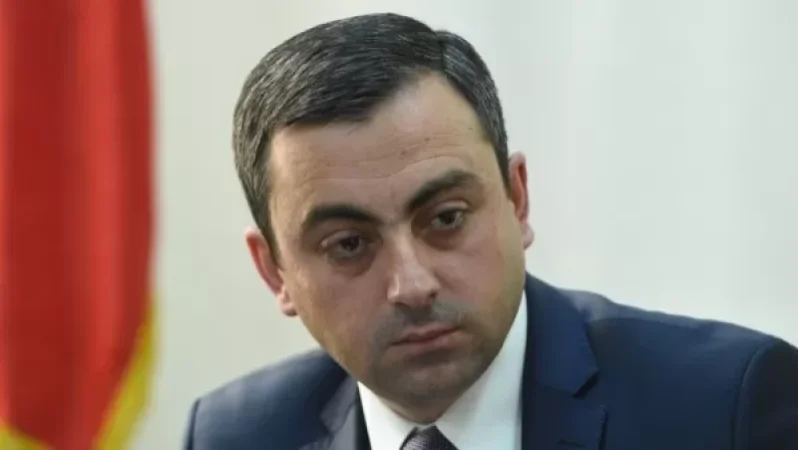
Deputy Speaker of the National Assembly Iskhan Sagatelyan wrote on his Facebook page: "On September 27, at 07:50, I received a call on my phone. It was Gegham Manukyan. I asked with a half-joking tone, ‘What happened, Gegham, at this hour?’ He replied, ‘There is a war in Artsakh.’ I asked, ‘Are you serious?’ He confirmed, ‘Yes, they are attacking from different directions.’ I inquired, ‘Have you told the guys?’ He said, ‘Not yet, you are the first I’m calling.’ I told him, ‘Okay, I’m heading to the headquarters,’ and while getting dressed, I started calling my friends in the headquarters, but first, I called my friend Hrant Margaryan, who said, ‘I’m aware, I’ve already instructed the guys on what to do, I’m coming to the office.’
On the way to the office, I called my friends in Artsakh. Arthur Mosian didn’t answer, and Davit Ishkhanyan confirmed what Gegham had said, but it was no longer necessary — we could hear the sounds of bombings. We agreed to stay in touch. Davit naturally asked, ‘When are you coming?’ At 08:30, I met Gegham Musheghyan near the headquarters building. He was already in military uniform, ready for action. I asked him, ‘What’s going on?’ He said, ‘We’re gathering friends in the committee offices until we decide when to move, each squad leader knows his job.’ At 08:30, there were already prepared boys in military outfits near the headquarters, it was a hive of activity. Before reaching the office, I met our other battle-tested guys in the hallway: friends Igor, Harmik, Artashes, Mkhoy, Chechen... I felt an indescribable sense of excitement and pride, confident that this group could never be defeated.
At 08:50, we held a meeting at the headquarters. Friends Hrant Margaryan and members of the Bureau also attended. The meeting lasted about half an hour; our meetings usually take longer, but this wasn’t a routine session; we had to make quick decisions. We adopted four main resolutions: 1. To issue a statement noting that we set aside all political disagreements, we are with the army and by the side of the state. 2. To organize at least two volunteer battalions from the ARF, ready to go to the front throughout the day. We decided to gather the first two battalions at 12:00 near the statue of Aram Manukyan, to coordinate with the Ministry of Defense and move forward. This was also decided to be a public event, calling on our compatriots. 3. The headquarters decided that I should call Nikol Pashinyan and relay our decision, asking how we could be of assistance. 4. A meeting for opposition parties was set for 15:00. The aim was the same: united we stand, as the country is at war.
At the end of the meeting, we divided tasks, appointed responsible individuals, and got to work. At 09:30, I called Nikol Pashinyan and he answered immediately. I inquired about the situation on the borders and conveyed our decision that the ARF stands by the state and the army; already in the coming hours, two battalions would be sent to the front. I also asked what we could do. He thanked me for the sentiment and requested that the Armenian communities and ARF structures abroad inform the world that Azerbaijan and Turkey have commenced a joint aggression against Artsakh. I responded that the Bureau had already dispatched instructions, and we agreed to keep in touch.
During this time, GM member and doctor Taron Tonoyan entered, saying, ‘Friends, I’m off now; stay strong, keep the rear secure.’ I asked, ‘Where?’ He replied, ‘Where do you think I’ll be during wartime? To the front, probably back to Hadrut.’ I said, ‘Friends, the reporter from “Yerkir” is in the hallway. Say a few words and move ahead.’ He answered, ‘There’s no time for that; I need to go; the car loaded with supplies and medications is waiting.’ Again, a wave of excitement and pride surged. This group cannot lose.
I was in touch with Taron almost every day during the 44 days of war, and I will never forget our conversation on October 3 — the day I was in Artsakh. On that day, Taron couldn’t hold back, and his voice still echoes in my head... But that’s another topic for another time.
At 12:00, the gathering of ARF volunteers occurred near the statue of Aram Manukyan. Hrant Margaryan delivered a speech — a battle call, necessary words at that moment. Interestingly, when the battle call was resonating in front of the Aram Manukyan statue, stating that our primary task is to bring the enemy to its knees, at the same time, the Prime Minister was declaring at a concurrent meeting in the parliament, ‘Let’s agree that no matter what, we will not consider ourselves defeated...’ Behind Hrant Margaryan, standing in front of the statue of Aram, was Kim Khachatryan, a member of the ARF students. Kim fell on October 31 in the northern defensive positions of Artsakh.
At 15:00, an opposition parties meeting was held at the ARF office. About 14 parties were present, and to the credit of the opposition forces, there was 100% alignment. Domestic political issues were set aside, and we issued a statement emphasizing the necessity of unifying and standing beside the state and Artsakh. I called Presidents Robert Kocharian and Serzh Sargsyan. They were already in touch with Artsakh, familiar with the border situation; we discussed briefly, emphasizing the importance of consolidating all forces and directing them towards Artsakh. Though the first two battalions were ready, due to technical reasons related to receiving weapons and uniforms from the Ministry of Defense, it was decided that one battalion of 100 men would leave on the evening of the 27th. There was a dispute near the ARF ‘Aram Manukyan’ youth center about who would be in that 100. There was considerable conflict over which boys were left out. It was decided that two brothers or a father and son should not go together. Late at night, we sent off the first battalion. Again, emotion, responsibility, and pride surfaced. The first battalion included participants from both Artsakh wars, young people, and friends from the diaspora. Especially when hugging the young boys, I could hardly contain my emotions, but the boys were strong; they had already passed their first test during the April War of 2016. They knew where they were going and why; they had long sworn to ‘serve the cause of the liberation of Armenia and the Armenian people, and if necessary, even at the cost of their lives...’
P.S. These are my memories and the timeline of the tragic first day of the war on September 27, 2020.
Նմանատիպ հոդվածներ
Ավելին Society բաժնից
Տոննաներով թափել ենք ծառերի տակ. տնտեսվարողները տարակուսած են
Անահիտ Մանասյանն անդրադարձել է կանանց իրավունքների մարտահրավերներին
Զինծառայողներ են զոհվել․ Հնդկաստանում ռազմական ինքնաթիռ է կործանվել