Husband Denies Wife Food and Creates Atmosphere of Fear

In a case of domestic violence, a criminal case was initiated on March 9, 2016, at the Lori Province Prosecutor's Office against E.E. under Article 119, Part 2, Points 3 and 6 of the Criminal Code of Armenia. It was alleged that from June 26, 2015, while being in a de facto marital relationship with H.S., E.E. displayed separate cruelty towards her between late August 2015 and November 12 of the same year, intentionally causing mental and physical suffering.
As a result of the investigation, the initial indictment against E.E. was reclassified by the first instance court of general jurisdiction of Lori Province. Meanwhile, the appeal filed against the verdict by the prosecutor was rejected.
The Deputy Attorney General of Armenia subsequently filed a cassation appeal against the decision of the Court of Appeal. In the ruling following the examination of this appeal, the Court of Cassation expressed legal positions of precedential value regarding the victim's material dependency on the perpetrator and the criminal characteristics of the perpetrator’s actions, classified as separate cruelty, which hold significant importance in cases of domestic violence.
Particularly, the Supreme Court considered the approaches of the European Court of Human Rights on maltreatment and discussed the issue concerning the degree of intensity of physical pain or mental suffering caused. It noted that although each instance of causing severe physical pain or mental suffering can exhibit characteristics of cruelty, separate cruelty represents a high degree of inhumanity, ruthlessness, savagery, and mercilessness, aligned with the commission of a dangerous act to the public and aimed at causing particularly distressing experiences to the victim.
In this context, evaluating the evidence gathered in the criminal case, the Supreme Court found that the subordinate courts failed to adequately assess the pertinent legal evaluations regarding the established factual data in the indictment, which indicated that E.E. caused mental suffering to H.S. especially through actions that instilled profound fear in her, continuing such actions until she fainted. He deprived his wife of the opportunity to eat, disregarding her severe hunger and pleas for food, and publicly consumed food in her presence while she, in an effort to avoid fainting due to hunger, attempted to quench her hunger by drinking water. E.E. kept her in a state of oppression and fear, consistently controlling her behavior, which heightened the victim’s feelings of suffering and inadequacy, breaking her capacity for physical and psychological resistance; he threatened her that if she reported to law enforcement, she would be beaten and exerted physical force against her.
The combination of such acts, according to the Supreme Court, characterizes inhumane treatment and can be qualified as a manifestation of separate cruelty. Additionally, the Supreme Court expressed a legal position that a victim's material dependency on a perpetrator exists not only when the victim is directly financially dependent on the perpetrator but also when the material assistance or income intended for the victim is fully or substantially controlled by the perpetrator, depriving the victim of the opportunity to independently benefit from it, as was the case in this instance.
For the reasons mentioned above, the Supreme Court partially satisfied the cassation appeal filed by the Deputy Attorney General of Armenia, overturned the decision of the Court of Appeal under Article 119, Part 1 of the Criminal Code of Armenia, and sent the case back to the Court of Appeal for a new trial.
Նմանատիպ հոդվածներ

Will There Be a Need for a Third Vaccination Against Coronavirus? The Minister of Health Responds
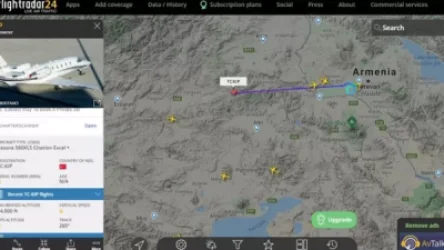
Turkish Private Jet Departed from Yerevan Heading to Turkey: 'Liberation'

Moment of the Day: Aggressive Parrot Against Angela Merkel

PHOTOS: This Is What Climbers Looked Like Right After Being Rescued (Not Recommended for the Faint of Heart)
Ավելին Society բաժնից

Տոննաներով թափել ենք ծառերի տակ. տնտեսվարողները տարակուսած են

Անահիտ Մանասյանն անդրադարձել է կանանց իրավունքների մարտահրավերներին
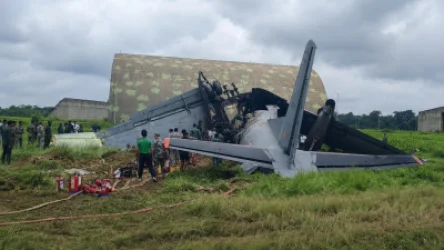
Զինծառայողներ են զոհվել․ Հնդկաստանում ռազմական ինքնաթիռ է կործանվել