Russian-Turkish and Iranian-Azerbaijani Tensions: What is the Geopolitical Situation in the Region?
While a significant portion of the Armenian public continues to discuss whether or not to organize a celebration for the 30th anniversary of Armenia's independence in Republic Square, the geopolitical "cauldron" around Armenia is simmering with high intensity and not in favor of Armenia. 168.am has addressed this theme by speaking with both Russian and Iranian analysts.
Since the trilateral ceasefire declaration on November 9, following the 44-day war, the process has entered a second and decisive phase aimed at unblocking the region's communication routes and resolving all Armenian-Azerbaijani issues through a Peace Agreement. Given Azerbaijan and Turkey's expectations of extracting corridors from Armenia, serious geographical and geopolitical issues are being created for both Armenia and neighboring Iran, which offer few prospects for resolution in favor of Armenia, especially under the current government of Nikol Pashinyan.
Iran has initiated military exercises
The military and expert circles in Iran, known for their cautious diplomacy, are seriously concerned. Since September 12, Azerbaijani police have been stopping and inspecting drivers of Iranian-plated cargo vehicles in the Vorotan area of the Goris-Kapan highway under the pretext of "entering Azerbaijani territory," effectively harming both Iran and Armenia while obscuring the reasoning with vague justifications typical of Azerbaijan. The Armenian authorities practically take no action against this; they view Azerbaijan's actions purely as directed against Iran. Recent official statements suggest that Iran has intensified its efforts with both Yerevan and Baku, stating that the territorial integrity of Iran's neighbors is more important to it than anything else.
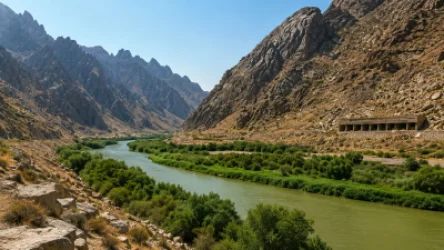
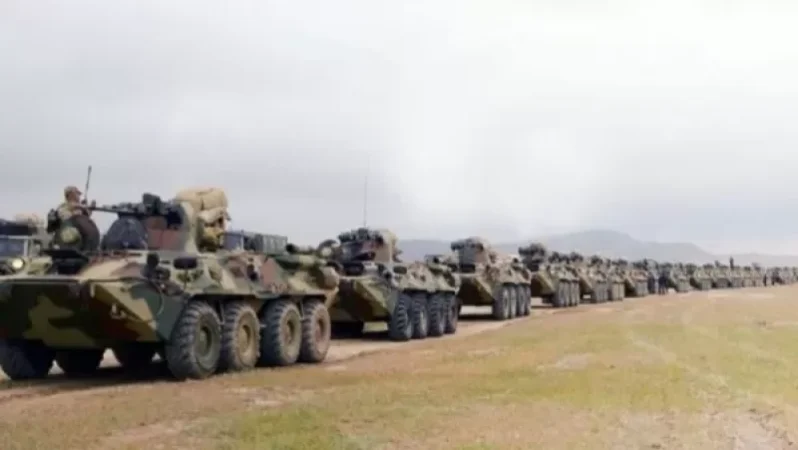
Furthermore, on September 20, it was revealed that Iran had initiated extensive military exercises along the border with Azerbaijan, the occupied territories of Artsakh, and Armenia, deploying significant personnel and equipment of its armed forces to the border with Azerbaijan in the Araks River valley.
Intensive Turkish-Azerbaijani military exercises
Simultaneously, on the same day, information was released that Turkish and Azerbaijani military personnel had resumed exercises in Nakhchivan. According to Azerbaijan's Ministry of Defense, joint tactical exercises involve motorized infantry units, special forces, and other branches of the armed forces. On September 12, joint Azerbaijani-Turkish-Pakistani exercises named "Three Brothers-2021" commenced, featuring special forces units from the three countries. On the same day, joint exercises of the naval infantry units of the Turkish and Azerbaijani armies in the Caspian Sea basin concluded. These were essentially military exercises in the vital interest zone of Russia and Iran— the Caspian Sea basin.
On September 6, joint tactical exercises between Turkey and Azerbaijan began in the Lachin region. It is worth mentioning that two air force training exercises, TurAz Kartali 2021, took place near the Turkish city of Konya this month. Within a month, Turkey and Azerbaijan are conducting their fifth joint military exercise.
Two Russian warships in Baku
It is also noteworthy that against this backdrop, Moscow recently surprised Baku by sending the "Astrakhan" and "Anatoli Gushvin" warships of the Russian Navy's Caspian Fleet for a friendly visit to Baku on September 18 for two days, which is regarded in Azerbaijan as a clear political message and an attempt at pressure. All these developments demonstrate the geopolitical level of players involved in regional developments, where the Armenian factor and how the unblocking issues are resolved are significant factors.
Russian-Turkish tensions around Crimea
In addition to displaying muscle in the region, a Russian-Turkish tension is escalating over Crimea. Although diplomatic statements between Russia and Turkey have sharply intensified, it is already known that next Wednesday, September 29, Turkish President Recep Tayyip Erdoğan will be visiting Russia for a one-day working visit, where he will meet with Russian President Vladimir Putin.
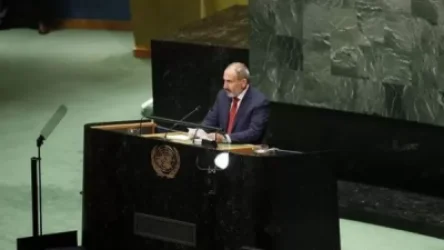
On the other hand, the Armenian authorities' calls for peace towards Turkey were unexpectedly responded to by President Erdoğan. "It is surprising that on one hand, Pashinyan claims that the Armenian side is not discussing that [Nakhchivan corridor] issue, while on the other hand, he expresses a desire to meet with me. If he wants to meet with Tayyip Erdoğan, clear steps must be taken," he stated recently before his trip to New York. It became known that in New York, a meeting took place between Blinken and Çavuşoğlu, during which the situation in Nagorno-Karabakh was discussed. Against the backdrop of these tumultuous geopolitical developments, Nikol Pashinyan continues to make populist and vague statements that winning does not necessarily require defeating others, which only exacerbates the anxiety.
In an interview with 168 Hours, Iranian analyst Ali Salami stated that Iran is indeed watching regional developments with concern. According to him, such developments were not entirely unexpected. "However, as you know, Iran's diplomacy has begun multilateral efforts both publicly and behind the scenes. Iran has stated its position that changes in borders are unacceptable, and it supports the principle of territorial integrity. Diplomatic efforts have also been supplemented by other means; currently, there is no talk of Iran abandoning this path, as it seeks to work with Azerbaijan and Armenia to resolve this situation. Iran also understands that there are problems between Armenia and Azerbaijan, and they need to be resolved. Iran is willing to support those communications that also concern Iran's vital interests," the analyst said.
Russian military expert Vladimir Evseev noted that "tensions" are flaring in the region, as Turkey and Azerbaijan have specific expectations and see no progress in that direction. He referenced the corridor issue, which the parties are directly discussing. According to him, the military exercises on both the Nakhchivan side and in the Caspian Sea are not coincidental; they are somewhat directed at Russia as well. "All this, of course, is a consequence of the euphoria from the war and its victory. It would be preferable for Russia to see it somewhat decrease, and it seems that certain steps are being taken in that direction. However, the most interesting point at the moment will be in the Tehran-Baku domain," he said.
Նմանատիպ հոդվածներ
Ավելին Politics բաժնից
Ապացուցել ենք՝ մեր դրոնները խոցում են նույնիսկ Մոսկվայից հեռու գտնվող թիրախները. Զելենսկի
Կրեմլը «վաղաժամ» է համարում օդային դադարի մասին հաղորդագրությունները
Ռուսաստանը երկակիություն է տեսնում Թրամփի՝ Ուկրաինայի վերաբերյալ դիրքորոշման մեջ. Պեսկով