Ombudsman Appeals to Constitutional Court to Challenge Restrictions on Journalists' Photography at the Border
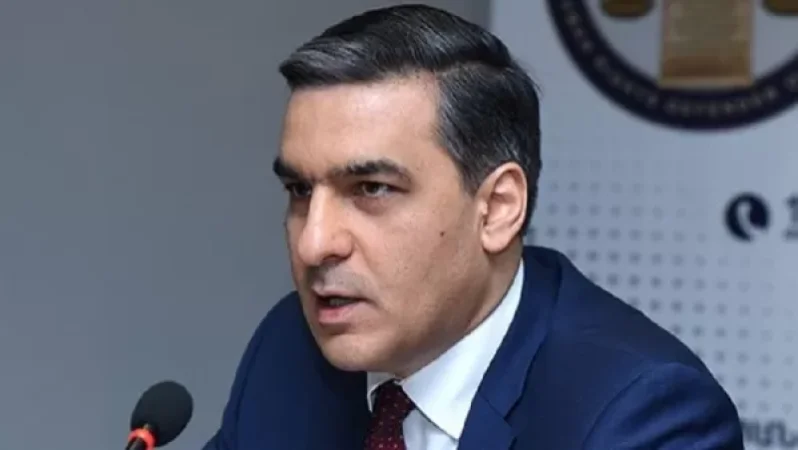
The Human Rights Defender of Armenia has filed an appeal to the Constitutional Court to challenge the restrictions on journalists' photography at the state border and other limitations. Specifically, the ban on photography in the border zone has created significant challenges for journalists, as there are no defined criteria or regulations for obtaining permission.
This regulation has also posed serious problems for the fact-finding work of the Human Rights Defender. The appeal also contests other restrictions affecting citizens, such as the prohibition on allowing animals to graze in the border area, approaching the border line directly, and communicating with border patrol forces.
The Defender has requested the suspension of these challenged restrictions until the case is resolved in the Constitutional Court and has prioritized the examination of this case. The appeal pertains to Article 22.1 of the Law on the State Border of Armenia and recent amendments made to this article.
The mentioned restrictions do not include exceptions and prohibit communication with personnel of border patrol forces and representatives and residents of neighboring states within the border zone. From a human rights perspective, these regulations have become problematic following the war from September to November 2020.
Due to processes related to the state borders, many settlements in Armenia have been designated as border areas, falling within the border zone. According to the Law on the State Border, the border zone includes areas adjacent to the state border or along the shores of border waters up to one kilometer wide, while the border strip extends up to five kilometers into the territory of Armenia.
This means that residents of settlements located in the border strip can face penalties for engaging in everyday activities at home, such as consuming alcoholic beverages during celebrations or taking photographs in their own yards. Furthermore, many residents are forced to communicate with personnel of the Armenian border patrol forces located directly adjacent to their settlements, which can also be grounds for liability under the current regulations.
The current law also prescribes penalties for contacts with Azerbaijani service personnel, which has become unavoidable after the conflict. Another issue is that the restrictions prevent the Human Rights Defender from fully executing their mandate, as conducting fact-finding work based on complaints and alerts from citizens living in the border strip is prohibited without appropriate permission for photography, which is fundamental in conflict and post-conflict situations for ensuring the documentation of human rights violations.
The operations of the Human Rights Defender in this area are hindered. Furthermore, the legal regulations put the Human Rights Defender in a severely unequal position at the international level, particularly in comparison with the Azerbaijani Commissioner for Human Rights, who, unlike the Armenian Ombudsman, is not restricted by any legislative prohibitions while conducting fact-finding work.
Current circumstances in the country clearly indicate that the norms of this law are either not enforced or are applied selectively, leading to discrimination.
For example, in the Gorayk community of Syunik province, actions by Azerbaijani military personnel are constantly documented or photographed by citizens, journalists, and various officials, yet they are not always prohibited or penalized.
It is objectively impossible to ensure that this is fully enforced. Moreover, the approach taken towards journalists in Armenia to enter the border strip for professional work is discriminatory, as the criteria for obtaining photography permissions are unclear.
Armenian media outlets often face difficulties. There have also been reports of differentiated approaches regarding international journalists.
While acknowledging the significant role of international journalists in covering the situation at the Armenian state border, it must be clearly stated that granting border strip access only to international media representatives is discriminatory towards local media outlets in Armenia.
Moreover, Armenian media do not have a clear understanding of whom they should approach, the process to follow, and how to obtain this permission.
It should not be forgotten that the work of journalists in conflict and post-conflict situations has a protective and preventive function regarding violations. This is especially relevant now and pertains also to the Armenian state border.
It is noteworthy that the draft legislative proposal concerning the restrictions was not circulated for the Human Rights Defender’s opinion. The Defender has expressed their position independently, which has also not been taken into account. The failure to circulate proposals to constitutional bodies endowed with constitutional functions, including the Human Rights Defender, evidently diminishes or jeopardizes the degree of constitutionality or legitimacy of any act adopted thereafter.
In any case, under the Constitution and the Constitutional Law on the Human Rights Defender, the provisions of the Law on the State Border cannot be applied to the Human Rights Defender as they carry a higher legal force. Furthermore, the law must comply with the principles of legal certainty and proportionality.
In the appeal, we have substantiated with specific facts that the existing restrictions lead to the disproportionate interference of the state in constitutional rights to personal freedom, freedom of movement, freedom of expression, the right to petition the Human Rights Defender, and the right to receive support from the Defender, as well as violations of the constitutional principles of legal certainty and proportionality.
Նմանատիպ հոդվածներ

Employees Can Go to Work Without Testing Until October 15, Lawyer on the Law
"Irremediable They Are": Gegham Manukyan Reveals the Amount of 'Symbolic' Money Transferred to Him as a Bonus
Azerbaijan Confirms Arrest of Iranian Drivers: What Are the Charges?
This Poster is My Personal Initiative and Has Nothing to Do with the Party: The Author of the Notable Poster Revealed
Ավելին Society բաժնից
Ողբերգական ավտովթար․ մեքենան շրջվել է. կա զոհ
Հեղեղատարափ անձրևներ ու աղետալի ջրհեղեղներ․ ինչ է սպասվում աշխարհի տարբեր տարածաշրջաններին
Երևանի քաղաքապետարանը զգուշացնող հայտարարություն է տարածել