A Woman from Artsakh Tried to Return to Shushi with Her 4 Children
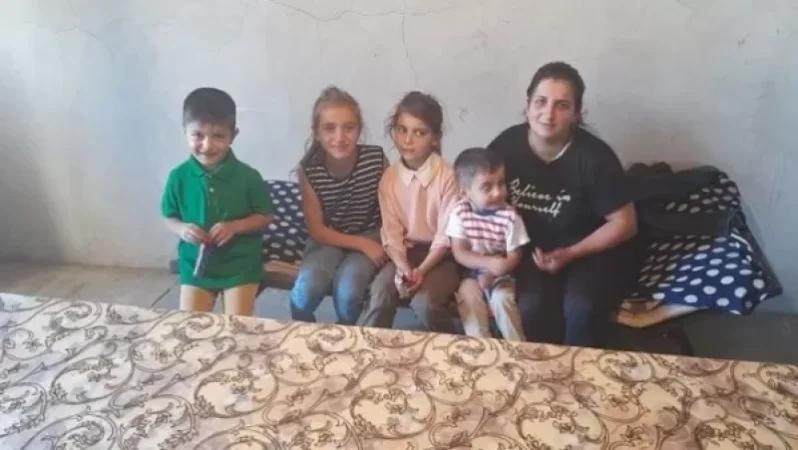
On August 1, near the city of Shushi, Russian peacekeepers stopped Izoura Balasanyan, a 32-year-old former resident of Shushi, along with her 4 children, as they attempted to cross the border. The woman explained her actions by stating that she had no place to live and wished to return to her home in the city of Shushi.
Azerbaijani and Russian border guards returned the mother and her children to the Republic of Artsakh. Izoura Balasanyan confirmed this information in an interview with Forrights.am: “Yes, I went to Shushi because I have no home. I took a photo of my deceased husband and my deceased mother, along with my children, and headed to Shushi. I did not take anything else with me. I reached the customs, but the Russians did not allow us to enter Shushi. The Russians told me, ‘Don't go in, it’s shameful, it won't bring honor to your people.’ I did not enter Shushi. I stood between the Turk and the Russian. At that moment, the Russians had already called their superiors, who contacted the ministry, saying that a woman with children was surrendering to the Turk. And that’s how the security service came,” the woman recounted.
On her way to Shushi, she encountered Azerbaijani soldiers at the border. “They didn’t say anything. They just looked at me and my children with sad faces.” After the 44-day war, Izoura Balasanyan and her four children settled in a dormitory building on David Bek Street in Stepanakert, where she paid 100,000 drams for their accommodation. She decided to leave when the landlord raised the rent to 150,000 drams.
Izoura appealed to various government agencies, asking them to provide housing for her to live with her children. “Everywhere they would say, ‘Come today, come tomorrow.’ I tried to meet with the Minister of Territorial Administration of Artsakh, but they did not accept me. The secretary told me that the minister would not receive me, that they didn't care where I would live. So, I went to Shushi,” she explained her desperate action. She recounted the same to the employees of the security services who brought her back to Artsakh.
After her forced return, a half-ruined house full of snakes was provided to Izoura Balasanyan in the village of Khankendi in the Askeran region. She has gotten used to the snakes, even holding one in her hand, but she could not stay there with her children. A friend rescued Izoura and her children from the snake-infested house and brought them to a location called Jamalu, 2-3 kilometers away from the village of Khanjagh. “There are a few houses here. Where we stay, there is no bathroom, and clean water doesn’t come. There’s electricity, but I don’t have a heater. I burn the stove to bathe the children. The children walk 3 kilometers every day to reach school. I couldn’t buy a backpack for my daughter; it’s too expensive, so she goes to school without one. I got some notebooks, but it’s not enough. My daughters also need boots and warm jackets. My children are capable of being educated and learning. I need to take them forward,” Izoura shares, hoping that someone will respond and help her children. The youngest is 4 years old, and the oldest is 12.
Izoura’s husband died in 2012 of a heart attack. Two years ago, in August, she buried her mother. Crying, she says that the graves of both are now in the hands of Azerbaijanis in the village of Ughtadzor in Hadrut.
After the 44-day war, Stepanakert has become a center of social disaster. Refugees from Kashatagh, Shushi, Hadrut, Askeran, Martakert, and surrounding villages have flooded into Stepanakert, hoping to find shelter and work, filling the dilapidated homes and basements, and even living in shops. A place the size of a “kukhnyu” (kitchen) has become a dream for many. Rents have skyrocketed. An unrenovated apartment without utilities in Stepanakert costs between 60,000 and 70,000 drams. Financial assistance provided by the government to the displaced often falls short of covering basic rent. The city faces total unemployment.
Նմանատիպ հոդվածներ
Colorful Celebration to Be Held on September 21 in Memory of Fallen Soldiers, Prime Minister

Azerbaijan Implements New Aggressive Propaganda Against Armenia in Public Transport, Lapshin Releases Photos

Pregnant Woman Infected with Coronavirus Dies in Armenia
Ministerial Order Effective October 1 is Unlawful
Ավելին Society բաժնից
Ալեն Ղևոնդյանին արգելվել է հրապարակումներ անել և հավաքների մասնակցել
Բացառիկ պատմական արժեք ներկայացնող նվիրատվություն՝ Մատենադարանին
Մարգարայի անցակետում ուշագրավ զարգացում է արձանագրվել