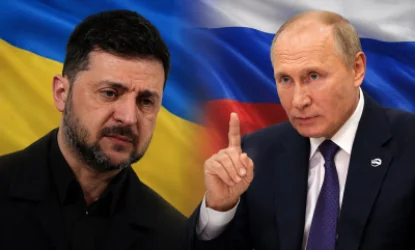
How to interpret the articulation made during the Macron-Pashinyan phone call

The Prime Minister of Armenia, Nikol Pashinyan, had a phone conversation with French President Emmanuel Macron on August 3. During the conversation, the French President congratulated Pashinyan on his appointment as Prime Minister and reaffirmed France's support for Armenia. Naturally, the regional situation was discussed, including the Armenian-Azerbaijani border situation. Pashinyan provided information regarding the circumstances.
In this regard, the official account of the phone call presents a rather intriguing phrasing: “President Macron emphasized the critical importance of demarcation and delimitation between Armenia and Azerbaijan.” Agreeing with this viewpoint, the Armenian Prime Minister stressed that the delimitation of the Armenian-Azerbaijani border and the resolution of the Nagorno-Karabakh conflict are not processes that intersect in any way.
This articulation definitely deserves attention as it raises the question of whether President Macron agrees that the demarcation and delimitation cannot be linked to the resolution of the Nagorno-Karabakh conflict, or if he indeed has a somewhat different stance, which might explain Pashinyan's need to express this thought to underscore Armenia's position.
The basis for this questioning is not only the account of the phone conversation but also the recent statement released by the co-chairs of the OSCE Minsk Group, where the three co-chairs urged the parties to commence direct dialogue under the auspices of the co-chairmanship, in line with their own priorities and agendas. This indicates that France, as a co-chair, also aligns with that position. However, this does not imply a direct connection between the agendas. The discussion here may indeed touch upon a specific trap in which Armenia may find itself if it begins the discussion process under the proposed format.
On the other hand, the question naturally arises as to what other option Armenia has if the discussion pertains not to Baku but to the co-chairs’ position. In this context, it is significant to note Pashinyan's statement during a meeting with the Defense Ministry's leadership when introducing the new Minister Arshak Karapetyan. Pashinyan regarded the rapid implementation of military reforms as a paramount issue, meaning that the swift restoration of military readiness is crucial for Armenia's military-political resilience, which political resilience can be built upon. Nonetheless, the issue of the political agenda remains urgent, as it is unacceptable to foster a situation where Armenia is left alone against the co-chairs.
Նմանատիպ հոդվածներ
Pashinyan as Prime Minister, Karapetyan as Defense Minister, Narek Mkrtchyan as Minister of Labor and Social Affairs: Presidential Appointments
Prime Minister to Depart for Official Visit Tomorrow
Seven Western Countries Call on Russia to "Immediately Withdraw Its Armed Forces from Georgian Territory"
Russian Side Opposes Grigoryan’s Appointment as Foreign Minister: What Decision Will Pashinyan Make?
Ավելին Politics բաժնից
Մեծ Բրիտանիան վերազինվում է․ հիբրիդային մարտական նավեր՝ օդային և ստորջրյա դրոններով
Արցախի ԱԺ-ն ստեղծում է հանձնաժողով. նախագահ Աշոտ Դանիելյան
Հայոց ցեղասպանության ճանաչումը պետք է ուղեկցվի պատմական պատասխանատվությամբ․ ՀՅԴ Հայ Դատ