Official Yerevan Responds to Bayramov: It Is Not Armenia That Impedes the Full Implementation of the Trilateral Statements, But Azerbaijan
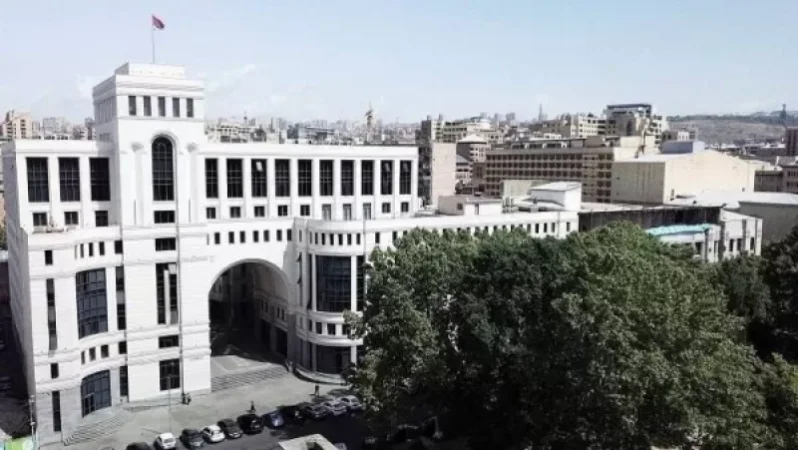
Official Yerevan has responded to the Azerbaijani Foreign Minister Jeyhun Bayramov, emphasizing that it is not Armenia that hinders the full implementation of the statements adopted in the Armenia-Russia-Azerbaijan format on November 9, 2020, and January 11, 2021, but Azerbaijan itself.
In response to an inquiry from Armenpress, the Armenian Foreign Ministry's department of information and public diplomacy highlighted that the Azerbaijani side, in particular, has violated the first and seventh points of the November 9 statement and has yet to fulfill the eighth point, which stipulates the exchange of prisoners of war, hostages, and other detained persons.
The Foreign Ministry noted that the full completion of the repatriation process of prisoners of war, hostages, and other detained persons by Azerbaijan could create a constructive environment for the consistent implementation of the November 9 statement.
Question: During a joint press conference with the Serbian Foreign Minister, Azerbaijani Foreign Minister Jeyhun Bayramov accused Armenia of creating obstacles to the implementation of the November 9 trilateral statement. How do you comment on this claim?
Response: When considering the implementation of the trilateral statements of November 9, 2020, and January 11, 2021, one should be guided by clear facts rather than a personal interpretation of those statements. And the facts are as follows:
One month after the signing of the statement, Azerbaijani military units violated the first point of the statement, according to which the parties were to remain in their positions, and began their offensive towards the villages of Hin Tagher and Khtsaberd in the Hadrut region of Artsakh, resulting in the capture of these settlements and the killing and capture of Armenian servicemen.
Unlike Armenia, Azerbaijan has not fulfilled the eighth point of the November 9 statement, according to which the exchange of prisoners of war, hostages, and other detained persons should have taken place. Moreover, Armenian prisoners of war are subjected to criminal prosecution, which is also a gross violation of international humanitarian law.
Since May 12, Azerbaijani armed forces have infiltrated and continue to remain within the sovereign territory of the Republic of Armenia. It should be noted that Azerbaijani military units have penetrated into the Republic of Armenia from areas over which Azerbaijan established control as a result of the implementation of the November 9 statement. In other words, Azerbaijan has countered Armenia's constructive approach to the implementation of the statement with a policy of encroaching upon Armenia's territorial integrity, thereby undermining regional security and peace.
The fact that Azerbaijani military units are present in Armenian territory has essentially been acknowledged by the President of Azerbaijan, who stated that “Zangezur is the land of our ancestors.”
Recently, Azerbaijan has been issuing statements denying the territorial integrity of Nagorno-Karabakh, which in turn violates the seventh point of the statement, where the parties, including Azerbaijan, agreed to the term “territory of Nagorno-Karabakh.”
Regarding the implementation of the November 9 and January 11 statements related to unblocking, Armenia has been and remains predominantly constructive. Unfortunately, Armenia's similarly constructive approach has been systematically exploited by the Azerbaijani side in public official statements, attempting to circulate the idea of “opening a corridor,” which is unacceptable and completely distorts the content and purpose of the trilateral statements.
It is noteworthy that alongside these manipulations, Azerbaijan has, on one hand, made historical and territorial claims against Armenia, while on the other hand, Azerbaijani military units have infiltrated into the sovereign territory of the Republic of Armenia.
As for the accusations that Armenia does not assist Azerbaijan in demining the conflict-affected areas, it should be emphasized that the November 9 statement does not contain any provisions for cooperation between the parties concerning demining. It is worth recalling that Azerbaijan has traditionally been against any possibility of cooperation on this issue with Armenia and Artsakh. Moreover, in 2017, the office of the OSCE in Yerevan was closed at the initiative of Azerbaijan on the grounds that this organization was engaged in humanitarian demining programs.
Having no commitment to cooperate on demining, the Armenian side has nonetheless provided information to Azerbaijan through third parties as a gesture of goodwill. The complete return process of prisoners of war, hostages, and other detained persons by Azerbaijan could create a constructive environment for the consistent implementation of the November 9 statement.
Նմանատիպ հոդվածներ


Ավելին Society բաժնից

Հղի կնոջ մասնակցությամբ միջադեպի քննությունը փակուղի է մտել. «Ժողովուրդ»

Բանակից առողջության հիմքով ազատում են իրենց որդիներին. «Ժողովուրդ»
Ինչ իրավիճակ է փլուզումից հետո. նոր մանրամասներ