It Is a Problem When a Person Is Deprived of Freedom and Evidence Is Collected Afterwards – Ombudsman

One of the fundamental issues of our law enforcement system continues to be the practice of depriving a person of freedom and then beginning to collect evidence or look for grounds. This was stated by the Human Rights Defender of Armenia, Arman Tatoyan, on his Facebook page.
“One of the fundamental issues of our law enforcement system continues to be the practice of depriving a person of freedom and then beginning to collect evidence or search for grounds afterward. Unfortunately, this practice has not disappeared. Our visits and complaints have recorded specific cases where a person is deprived of freedom (most often through detention or arrest), and only after that do authorities begin to decide whether the case will be administrative or criminal,” Tatoyan noted.
He added that in situations where, for instance, a detained or arrested person tries to find out why they were deprived of their freedom, or whether the proceedings will be administrative or criminal, they typically receive a response that it is still unclear, and they will be informed once a decision is made by the investigator or prosecutor.
“Not to mention the difficulties lawyers face in clarifying these matters. Among these cases, there are many instances when a person is deprived of freedom—say, detained— but the law enforcement officer who executed the detention does not even know the specific act for which the person is being deprived of their freedom. Furthermore, in such cases, it is particularly troubling when, for instance, the police department decides how to describe the act or how to present the circumstances of the detention, and this is done by an officer who did not even participate in the detention process,” he emphasized.
“In reality, it is necessary to ensure the opposite: first, the grounds or evidence should exist, and only then can we discuss issues related to depriving a person of freedom, such as detention or arrest,” Tatoyan concluded.
Նմանատիպ հոդվածներ
Now Look at the Fizuli-Shushi Tunnel and Go Underground: Bella Lalayan
US Congress Members Pass Bill Prohibiting Military Aid to Azerbaijan
What Operations Are Russian Soldiers Conducting at the Tavush Border? The Governor Provides Details
The Convoy Accompanying Nikol Pashinyan Is Becoming Increasingly Dangerous: "Fact"
Ավելին Politics բաժնից

Վաշինգտոնից ճնշում կա, բայց փակ հանդիպումներում դիրքորոշումն այլ է․ «Ռոսատոմ»-ի ղեկավար
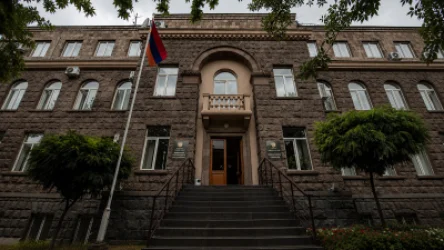
ԿԸՀ-ի պարզաբանումը ՍԴ-ում․ 17 հազար անվավեր քվեաթերթիկի պատճառները չեն վիճակագրվել

ՔԿ-ն և ԱԱԾ-ն սարսափելի արարք են կատարել Անդրանիկ Թևանյանի գործով․ Արեգնազ Մանուկյան