Azerbaijani "Black Market": Where Are Western Weapons Going?
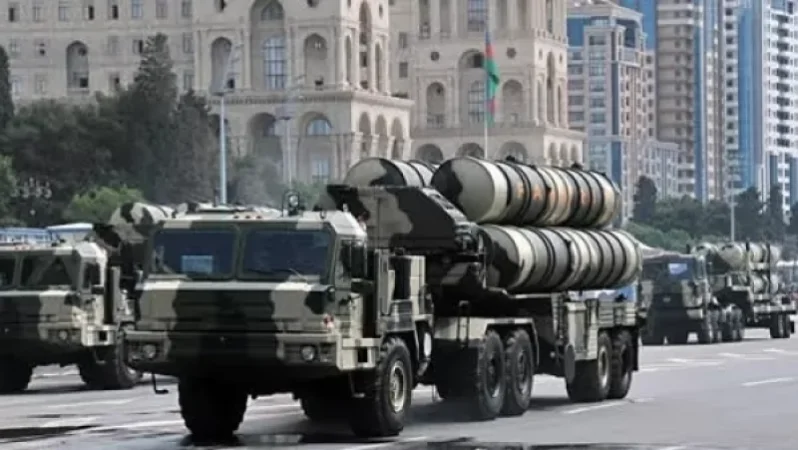
U.S. President Joe Biden suspended the ban on the sale of military equipment and ammunition to Azerbaijan in April 2021. According to U.S. Secretary of State Antony Blinken, exporting ammunition to Baku is essential to support Washington's efforts in combating international terrorism; however, many experts and politicians are skeptical about the appropriateness of the White House's stance. In particular, U.S. Congressman Adam Schiff criticized the decision to lift the arms supply ban to Azerbaijan, noting that Azerbaijani authorities, while regularly receiving military support from the U.S. or any EU member country, not only hide the fact that the ammunition will be used against Armenians in Nagorno-Karabakh but also sell part of this weaponry to third countries, terrorists, or on the "black market."
As noted by Armenpress, the Bulgarian research and analytical platform Bulgarian Military has addressed the issue of Azerbaijan selling weapons on the "black market" under the title "Azerbaijani 'Black Market': Where Are Western Weapons Going?" trying to understand how appropriate it is for Western countries to sell arms to Azerbaijan and where and for what purposes these weapons may be utilized.
"A lot of evidence has already been published indicating the illegal circulation of weapons on Azerbaijan's 'black market.' For instance, Baku showcased Czech MLRS RM-70 multiple launch rocket systems as part of regular military exercises in 2017, which, according to Czech officials, the country simply could not have considering the existing laws of the Czech Republic. At that time, Armenia had already voiced concerns about the emergence of these military systems in Nagorno-Karabakh, yet the Czech Ministry of Foreign Affairs officially stated that such a transaction was impossible. As a result, military experts began to voice opinions that the ammunition was acquired through illegal means," writes Bulgarian Military.
The platform asserts that many analysts have strong suspicions that Baku supplies weapons and ammunition to militants of the Islamic State terrorist organization in Syria and other hotspots. This was revealed in an investigative article by Bulgarian journalist Dilyana Gaytandzhieva, who uncovered secret information obtained from the hacking group Anonymous Bulgaria, indicating that Azerbaijani Silk Way Airlines had transported ammunition to Saudi Arabia, from where the weapons were transferred to Saudi-aligned forces in Yemen, jihadists in Syria, and were also moved to Mali, Burkina Faso, and Afghanistan.
Notably, this viewpoint is also supported by opposition analysts in Azerbaijan. According to data from the Timeturk agency, Azerbaijan has formed a militant group called "Mahmut," which participates in military operations against Bashar al-Assad in Syria. The majority of the weapons obtained by Azerbaijan end up in the hands of groups like the Islamic State through such formations, not without the support of the Turkish side.
"Therefore, a reasonable question arises: does the U.S. need such laws legitimizing the supply of ammunition to authoritarian regimes? American historian and editor of the Antiwar analytical website Daniel Larison believes that the U.S. does not need this. He urged Washington to begin developing legal mechanisms that would allow for the prohibition of NATO's arms supplies to Azerbaijan, as providing military support to Baku poses a real threat to destabilizing the situation in the Caucasus. That is, if the U.S. and European countries genuinely wish to justify their commitment to human rights protection in foreign policy and counter international terrorism, they must start reforming their legislative systems, particularly by halting any military assistance to Azerbaijan," writes Bulgarian Military.
The platform also addresses the fact that members of the armed group supported by Turkey in Syria had appeared on the Azerbaijani side during the military operations in Nagorno-Karabakh in 2020. Michael Kofman, a military expert at the CNA research center in Washington, believes that by using Syrian militants closely tied to the Islamic State and al-Qaeda in Nagorno-Karabakh, Azerbaijan aimed to minimize its own losses. Another expert from the Center for Global Policy in Washington, Elizabeth Tsurkov, who interviewed several dozen Syrians involved in the conflict, confirms that they were used as "cannon fodder" specifically during military operations in the southern regions.
"It is beyond doubt that Turkish authorities, in collaboration with Azerbaijan, have challenged the global community by blatantly exploiting jihadists. Baku is unlikely to be able to cleanse its reputation from the shadow of its collaboration with terrorists, a collaboration aimed at capturing Nagorno-Karabakh. Meanwhile, Turkey's partners in NATO should also consider the appropriateness of further military and technical cooperation with Ankara, especially in light of the June signing of a military cooperation agreement between Azerbaijan and Turkey, which expands Baku's access to modern NATO weapons. Who knows against whom these may be used tomorrow?" the article concludes.
Նմանատիպ հոդվածներ
Ավելին Society բաժնից

ՏԵՍԱՆՅՈՒԹ. ՔՊ աջակիցները ծեծի են ենթարկել «Հայաստան» դաշինքի ներկայացուցչին

Լարսից 17 հայկական բեռնատարներ հետ են ուղարկվել. ինչ մանրամասներ են հայտնի
Նոր զարգացումներ Արծրուն Մարգարյանի սպանության գործով