Now You Need Scapegoats to Justify Your Inaction and Weakness: Nairi Hovhikian
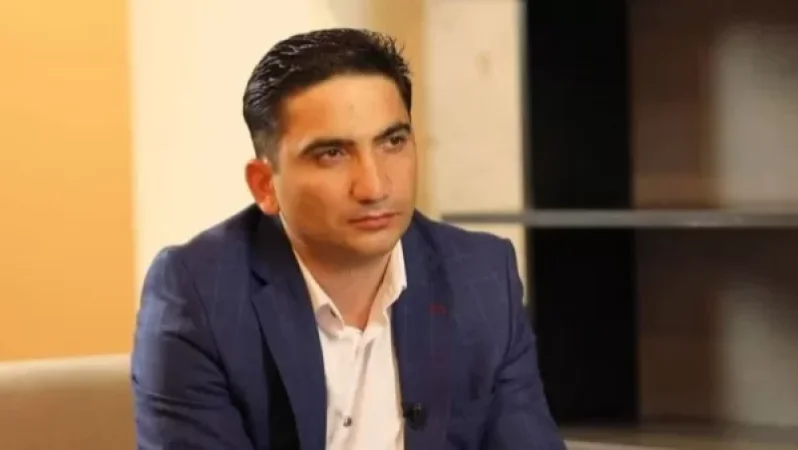
Recently, during a meeting, I recounted a conversation from years ago that became a subject of public discussion. It is clear that for people living in a post-war state of shock, each such fact is a new shock, but I am not sharing any news or making any revelations. This was posted on social media by journalist Nairi Hovhikian.
“Now many people are asking me why I didn’t say earlier that we could have prevented the war or the surrender of Armenian territories to the enemy. Societies generally have the nature of an audience. They love to watch performances, to applaud or to stone the actors, perceiving everything as staged. States collapse under these very scenarios. Right after the April War in 2016, I was shouting everywhere that we would face a large-scale war in a few years, and we would be forced into staged actions for capitulation. Many of my former colleagues will attest to what I said regarding the actions following the April War and what was being planned. But who was paying attention? People prefer to believe what is pleasant to their ears.
Since 2019, I have spoken with more than 30 officials and figures on this subject, outlining what is being planned regarding Artsakh. If any official can find the strength to prioritize the homeland and the truth over their position, they will confirm what I have said. I am sure very few will, as Prime Minister Nikol Pashinyan likes to say, the homeland must be sacrificed for the individual.
Since 2013, I have spoken about Azerbaijani ambitions regarding the Karvachar watershed. Many times, together with Davit Babayan, we have discussed this issue, noting that at the very least, the area of the Al Lakes should be included in the territory of Armenia according to international legal norms. Did anyone extend a helping hand? The best response was a smirk, as if who would take Karvachar from us.
On July 13, 2020, when I wrote that Azerbaijan, by attacking the Tavush region of Armenia, was practicing for an attack on Artsakh, various officials and many Armenians accused me of spreading panic. Because it suited you to believe what was pleasant, but not reality.
Now you need scapegoats to justify your inaction and weakness. The same people who didn’t hide the surrender scenario for Artsakh in 2019 and previously wrote books about it, did you ever take the trouble to take these dangers seriously or feel concerned? Of course not, because people enjoy believing what is pleasant to their ears.
Between 2018 and 2020, I made dozens of publications about the importance of satellites, stating that in the upcoming war we would need that satellite like air and water. Put your hands on your consciences and tell me how many of you took this seriously and extended a helping hand to force the authorities to take that step? No one.
Today it is easy to blame since you are all saints and judges while the one who conceded has done so secretly. Now the public audience wants scapegoats and blood to applaud and to stone—without understanding that because of their indifference and absence of the idea of homeland, this transaction occurred.”
Նմանատիպ հոդվածներ
Intense Shooting Begins at 18:40 in the Eraskh Section of the Armenian-Azerbaijani Border
Urgent: Tensions Continue at the Armenian-Azerbaijani Border as of 23:00, Ministry of Defense
Grigori Khachaturov Dismissed from Commander of the 3rd Army Corps
Azerbaijan Provokes Gunfire in the Border Area of Verin Shorja Village, Gegharkunik Province
Ավելին Society բաժնից
Ինչ իրավիճակ է փլուզումից հետո. նոր մանրամասներ
Կամրջի փլուզումից հետո մեկնարկել են վերականգնման աշխատանքները
«Գայի պոստի» մոտ գտնվող կամուրջը «պայթել» է