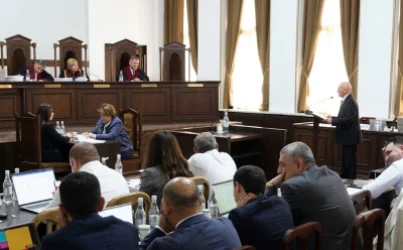
Nikol Pashinyan Responds to Aliyev, Not as Desired in Baku

The Russian newspaper "Kommersant" has also addressed the recent developments in the Armenian-Azerbaijani conflict and statements from the leaders of both countries. Citing Aliyev's recent claim that Lake Sevan, Yerevan, and Syunik are supposedly Azerbaijani territories, the media highlighted the address by Armenia's acting Prime Minister Nikol Pashinyan, which was not on the agenda of the government meeting but was deemed necessary.
It is noted that Nikol Pashinyan delivered his first extensive speech on Thursday following the parliamentary snap elections victory. "He attempted to literally outline all the challenges that the country has faced over the last six months. Additionally, Mr. Pashinyan unequivocally acknowledged Baku's challenge by entering into a 'war of words.' According to the article, the acting Prime Minister of Armenia addressed all questions related to the consequences of the Second Nagorno-Karabakh War and assured voters that there would be no talk of betrayal of national interests.
Apparently, the impetus for such a speech was Azerbaijani President Ilham Aliyev's comments, during which he again referred to Armenia's capital Yerevan, Lake Sevan, and Armenia's Syunik province as historical Azerbaijani territories, promising that sooner or later Azerbaijanis would return there. This type of rhetoric is not new but always arises precisely when both sides intend to insult each other with words.
"Kommersant" reminds that Aliyev also claims that Yerevan is allegedly refusing to sign a peace treaty, thus putting an end to the conflict. "We have received information through unofficial channels that Armenia is not ready for this. I believe this would be a significant mistake. Both before and during the war, the Armenian side committed serious mistakes and has committed war crimes," the Azerbaijani leader stated, clearly provoking his Armenian counterpart to respond.
It is mentioned that Nikol Pashinyan indeed responded but clearly not in the way that Baku had hoped. "He expressed support for the resumption of negotiations under the auspices of the OSCE Minsk Group, which Azerbaijani leadership openly criticized for a lack of results of its work. 'Azerbaijan is trying to create the impression that Armenia is against peace and the peace agreement. However, Armenia has already welcomed the statement of the co-chairs of the OSCE Minsk Group issued on April 13 multiple times. Let me remind you that the Nagorno-Karabakh conflict is based on three principles known to the parties: the right to self-determination of peoples, the exclusion of the use of force or threat of force, and territorial integrity,' said Nikol Pashinyan.
- If we add to this Azerbaijan's provocative statements directed against Armenia's territorial integrity, it becomes clear who is hindering the establishment of stability and peace in the region. According to Nikol Pashinyan, 'despite its peaceful statements on the international stage, Azerbaijan will do everything to prevent peace in the region.' He also cited the tactics of his opponents: 'Showing that Armenia or Artsakh is supposedly against peace, against the processes of demarcation and delimitation, and creating false grounds against this background to build an aggressive policy,' the article states.
It is noted that these words came just a few hours after Baku announced shelling by Azerbaijani forces in the Shushi region with small arms. They allegedly fired from an area controlled by Russian peacekeepers, where, nevertheless, Armenian armed formations remain. Later, on Thursday, another shelling incident was reported in the Kelbajar region.
Nikol Pashinyan, recalling the casualties along the Armenian-Azerbaijani border in recent months, called attention to this fact from the CSTO partners and the co-chairs of the OSCE Minsk Group and added, 'It is Azerbaijan that is against the delimitation and demarcation work because it has brought clearly falsified maps trying to justify its armed forces' presence in certain parts of Armenia's sovereign territory.'
The media adds that the latest escalation occurred in the village of Yeraskh, where there used to be a railway connecting Armenia with Azerbaijan and later Russia during the Soviet years. Now they are trying to unblock this road, but on July 14, Yerevan announced the death of a serviceman due to crossfire.
'The leadership of Azerbaijan should listen to calls from mediators instead of destructive actions and statements and clearly express its stance on the statement of the co-chairs. It is evident that we will unwaveringly strive for the realization of the right of the people of Artsakh to self-determination,' said the Armenian leader, clearly tightening his rhetoric.
Նմանատիպ հոդվածներ
Azerbaijani Armed Forces Open Fire on Armenian Positions at Yeraskh Section of the Border
Urgent: Azerbaijani Forces Open Fire in Gegharkunik Region, 3 Injured - Ministry of Defense
Irregular Gunfire Heard Near Sotk Mine, Employees Evacuated
NKR Defense Army on the Azerbaijan-Artsakh Contact Line: What is the Situation in Artsakh?
Ավելին Society բաժնից

Հուլիսի 2-ից եղանակը կփոխվի․ հայտնի է՝ ինչ է սպասվում

Այս նախագիծը սխալ է․ Սամվել Մարտիրոսյանը չի պատրաստվում նահանջել IMEI-ի հարցում
ԵՄ-ում նոր հարված են պատրաստում Ռուսաստանին․ պահանջում են ամբողջությամբ արգելել ռուսական նավթի ներմուծումը