What Are the Key Circumstances Presented in the Election Dispute Case?
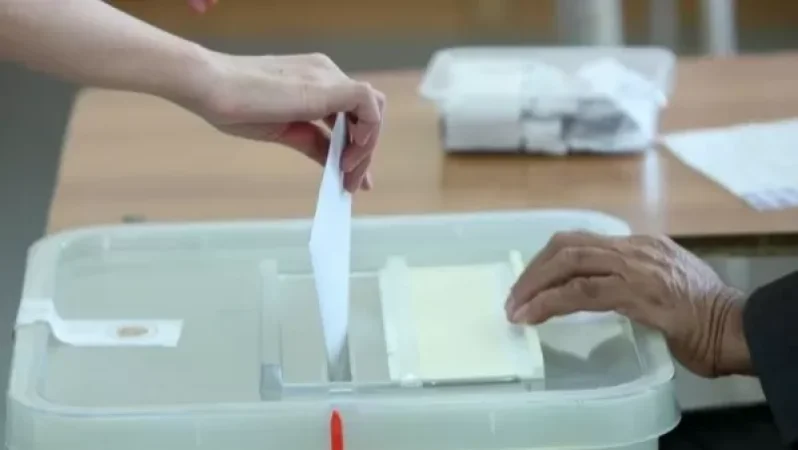
The judge of the Constitutional Court, Edgar Shatiryan, who is the rapporteur in the case disputing the results of the extraordinary parliamentary elections on June 20, 2020, presented the key circumstances put forward by the plaintiffs during the hearings.
At the July 9 session of the Constitutional Court, Shatiryan briefly outlined the requests of the plaintiffs, which essentially propose to invalidate the election results. "The applications from two alliances have been accepted for examination, and the applications from two parties have been partially accepted for examination," said the judge.
Shatiryan summarized the essential circumstances related to the case according to the complaints. The 'Hayastan' alliance specifically highlights issues such as the extensive administrative resources, the elements disrupting the principles of equal and free electoral processes during the election campaign, the criminal prosecution and disproportionate measures against its members during the elections, the voting by 23,790 citizens using non-biometric passports, and the participation of 10,933 voters registered in military units, whose voting data was kept confidential.
The alliance presented other arguments as well.
The 'Zartonk' National Christian Party emphasized the violations of the fundamental principles of electoral rights enshrined in the Constitution, including freedom and equality, significant influences on the free formation and expression of voters' will, violations of voting secrecy, directing voters, and the merging of state functions with party interests.
The 'Hayots Hayrenik' Party noted essential circumstances such as the failure to ensure universal, equal, free, and direct electoral rights, violations of voting secrecy, and the failure to adhere to the legally defined format of ballots, among others. The current administration and other candidates allegedly made total use of administrative resources during the campaign and distributed bribes widely.
The 'Pativ Unem' alliance pointed out fundamental violations during the election campaign affecting voters' freedom of choice, significant breaches of the principle of ensuring equal conditions for elections, and discriminatory and unequal coverage of participating candidates and political forces during the election campaign, aggravated by the involvement of the acting Prime Minister using administrative resources, leading to significant advantages for the political force. The alliance emphasized public statements by the acting Prime Minister, considering these remarks as incitement to hatred. The plaintiffs also discussed alleged pressures and arrests that occurred during the electoral process.
Նմանատիպ հոդվածներ

The Beating Lasted for Four Days, Every Two Hours Like on a Schedule: BBC Speaks with Returned Service Members

Group of 15 Armenian Prisoners of War Set to Return

The Plane Transporting Prisoners of War Arrived in Yerevan from Baku
They Are Not Related: The Wife of the Vet from Isahakyan Village on the Cause of Her Husband's Death
Ավելին Society բաժնից

ԵՊՀ-ից դեկան է ազատվել աշխատանքից

Տվյալ ճանապարհահատվածում վերագործարկվել է լուսանկարահանող տեխնիկական միջոցը

Նոր պահանջներ՝ բենզալցակայանների համար․ ՆԳՆ-ի կոշտ նախազգուշացումը