Grigoryan Unable to Enter EU Due to AstraZeneca Vaccination as EU Does Not Recognize It
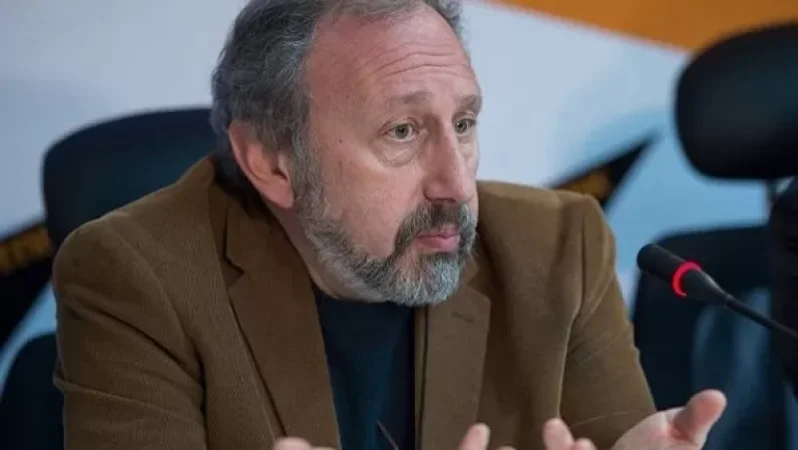
Mark Grigoryan, the former director of Public Radio, recently posted on his Facebook page about the difficulties he faced in traveling to Norway to see his daughter and grandchildren due to vaccination issues. In his post, he noted that Norway accepts vaccinated individuals, but the vaccine must be recognized by the European Union (EU). It turned out that the AstraZeneca vaccine is not accepted by the EU.
In an interview with ArmDaily.am, Grigoryan expressed his dissatisfaction with the response from the Ministry of Health, stating that while the AstraZeneca vaccine is recognized as a drug by the EU, vaccinations carried out in Armenia are not accepted. "I don’t know whether this is due to someone's incompetence. That I cannot say, but initially the Ministry of Health confused me for two days, before they released a statement on their page confirming that this is the case. Meaning, yes, the drug is accepted, but there is a problem with the vaccination, and they are working on it. Now we know what that means—it means that at this moment it is not possible. As to whether they are working on it or not, frankly, I am less interested," Grigoryan remarked.
He noted that a spokesperson from the Ministry of Health had contacted him and promised that responsible individuals would reach out to him for further explanation. "Neither have they contacted me, nor have they explained anything. They promised to get back to me in writing; we communicated via messaging, and they assured me that I would be called the next day, but that tomorrow was yesterday, and no one has called me. As a result, I was forced to postpone my visit to Norway indefinitely because the vaccinations administered here are not accepted there," Grigoryan added.
We reached out to the spokesperson for the Ministry of Health to clarify whether the relevant specialists had contacted Grigoryan. They informed us that public clarifications have been ongoing for the past 4-5 days, and that a hotline worker tried to get in touch with Mr. Grigoryan, but he did not answer.
Grigoryan responded to this clarification by stating that no one has called him and remarked on the public announcements: "You know, that is acceptable to me, but when I am told they will call, and then they don’t, that is not good behavior, is it? If they hadn’t told me they were going to call, there would be no problem, but when they say, ‘You will be called and informed,’ and they don’t call, that is indeed not a good thing."
Shortly after our conversation with Grigoryan, he contacted us again. "I am making a statement. I request through you that the Ministry of Health cease pursuing me, and I also ask that instead of focusing on me, the Ministry of Health work on getting the vaccinations administered here recognized by European countries. I did not expect that the fact that the vaccinations given here are not recognized by Europe would provoke such a reaction from the Ministry of Health. Instead of doing their job, they started to pursue me with various phone calls and officials," Grigoryan said.
He informed us that after our phone call, Hasmik Harutyunyan, the head of the complaints department, contacted him and attributed false statements to him and misrepresented his words. "In other words, she reiterated the official clarification from the ministry. I told her that you are just reiterating clarifications—she responded that we would address all your raised questions. This, you know, was simply an attempt to distort my words. I am extremely outraged, and I personally request that furthermore, officials from the Ministry of Health do not contact me on this issue. This story has already gone beyond all reasonable limits. They are following me, while I merely asked whether the vaccinations are accepted by Europe or not. I have been under press scrutiny for over a week to answer that question," Grigoryan concluded.
It should be noted that yesterday, on July 8, the Minister of Health Anahit Avanesyan stated during a briefing with the media, "The AstraZeneca vaccine produced by the company AstraZeneca is used in Armenia, and it is acceptable for the EU countries. There are no other types of this vaccine; there is only the vaccine produced by this company recognized by the EU. Currently, we are using AstraZeneca produced within the European Union."
Նմանատիպ հոդվածներ
The Beating Lasted for Four Days, Every Two Hours Like on a Schedule: BBC Speaks with Returned Service Members
Group of 15 Armenian Prisoners of War Set to Return
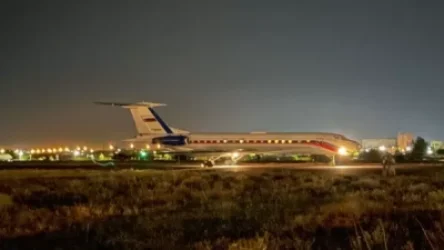
The Plane Transporting Prisoners of War Arrived in Yerevan from Baku
They Are Not Related: The Wife of the Vet from Isahakyan Village on the Cause of Her Husband's Death
Ավելին Society բաժնից
ԵՊՀ-ից դեկան է ազատվել աշխատանքից
Տվյալ ճանապարհահատվածում վերագործարկվել է լուսանկարահանող տեխնիկական միջոցը

Նոր պահանջներ՝ բենզալցակայանների համար․ ՆԳՆ-ի կոշտ նախազգուշացումը