Fresh Fruits and Vegetables Export from Armenia Doubles, Price of Armenian Apricots Remains High
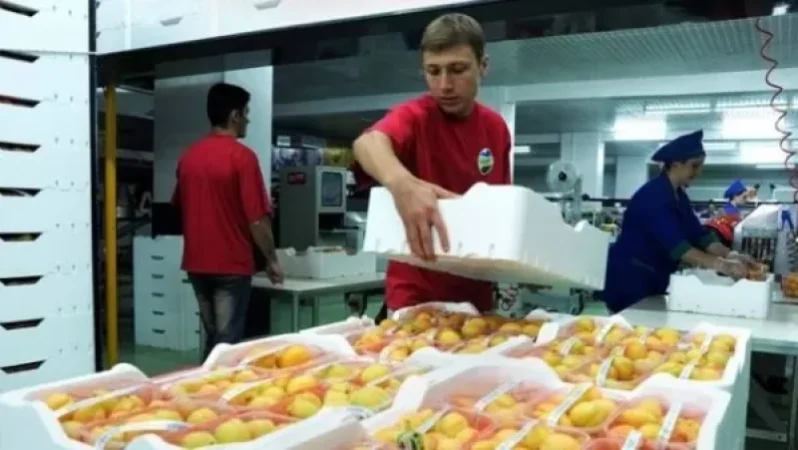
As of now, Armenia has exported 104,000 tonnes of fresh fruits and vegetables, which is about twice as much compared to the same period last year. The volume of apricots exported has already exceeded the total exported throughout last year, and due to the high quality of the products and strong demand, the price of Armenian apricots remains high. Deputy Minister of Economy Arman Khojoyan shared this information in an interview with Armenpress.
“The agricultural season in 2021 is recording quite good results. This year, exports have reached 104,000 tonnes, which is approximately twice the amount compared to the same period last year,” Khojoyan stated.
Last year’s results were also satisfactory, with around 145,000 tonnes of fruits and vegetables exported from Armenia in 2020, a 2% increase compared to 2019 in terms of quantity, and a 27% increase in monetary terms. This means that Armenian fresh fruits and vegetables were sold at a higher price last year.
Out of the 104,000 tonnes exported so far this year, approximately 43,000 tonnes are fruits and berries, while 61,000 tonnes are vegetables. Apricots are the main exported product. So far, around 25,000 tonnes of apricots have been exported, compared to 19,400 tonnes in the whole of the previous year. Thus, the volume of last year’s exports has already been exceeded.
“Last year, due to cloudy days, pollination in apricot orchards did not take place, and some diseases occurred due to weather conditions. This year’s harvest is greater than last year’s, and its product quality is quite high. This is why apricots are currently exported at a high price. Although the apricot export price should have started to decrease, it is still being exported at 400-450 drams, which is much lower than last year. This year, both the product appearance and demand are higher,” the Deputy Minister noted.
Addressing the factors affecting demand, Khojoyan mentioned, “We operate in the general economic market. For a long time now, we have been considering our market not just as a 3 million-strong market, taking into account the population of Armenia, but rather as a 184 million-strong market which encompasses all the member countries of the EAEU.”
The majority of Armenian fresh fruits and vegetables go to the EAEU market, mainly to the Russian Federation, with exports also heading to Georgia. Since last year, there has been a significant increase in grape export volumes. The Deputy Minister informed that Armenian fresh fruits and vegetables have begun to be sold not only in wholesale markets but also in retail.
“We are gradually expanding our entry into retail markets. This year, apricots have been exported in larger quantities to France and Germany for the purpose of retail sales,” Khojoyan stated.
This year, around 29,000 tonnes of potatoes have been exported, compared to approximately 9,500 tonnes exported in all of 2020. The volume of tomato exports is also growing, with 24,500 tonnes exported already this year, which is nearly the same as the total exported throughout 2019. Last year, 28,800 tonnes of tomatoes were exported, and the Deputy Minister is confident that this year, that figure will be exceeded.
However, a decrease is observed in the export volumes of cucumbers this year. The Deputy Minister provides an explanation for this, indicating that exporters have simply exhibited caution. Due to weather conditions in spring, the resolution of issues at the Lars checkpoint took longer than last year. “This year there have been more queues. This is why many cucumber producers simply changed their crops, turning to tomatoes or other plants, because if tomatoes can travel for 21 days during export, exporters cannot afford such luxury with cucumbers,” the Deputy Minister explained.
Taking the risks into account, many greenhouse owners did not grow cucumbers this year, and some simply did not export their cucumbers, opting to sell them in the local market instead. According to the Deputy Minister, 18% of Armenian fresh fruits and vegetables are exported, 9% are processed, and the remainder is consumed in the local market.
Khojoyan assured that no issues have been registered so far in the export process since the start of the agricultural season in June, and exports are currently proceeding without any obstacles.
Նմանատիպ հոդվածներ

The Beating Lasted for Four Days, Every Two Hours Like on a Schedule: BBC Speaks with Returned Service Members

Group of 15 Armenian Prisoners of War Set to Return

The Plane Transporting Prisoners of War Arrived in Yerevan from Baku

They Are Not Related: The Wife of the Vet from Isahakyan Village on the Cause of Her Husband's Death
Ավելին Society բաժնից

Նոր պահանջներ՝ բենզալցակայանների համար․ ՆԳՆ-ի կոշտ նախազգուշացումը

Հայաստանի և Թուրքիայի միջև գտնվող «Մարգարա» անցակետը կբացվի Լիբանան մարդասիրական օգնություն ուղարկելու համար

Կառավարությունը 304 միլիոն դրամ կհատկացնի ընտանեկան բռնություն գործադրած անձանց էլեկտրոնային հսկողության համար