Turkish Military and Aviation Have Long Been in Azerbaijan: Zakaryan
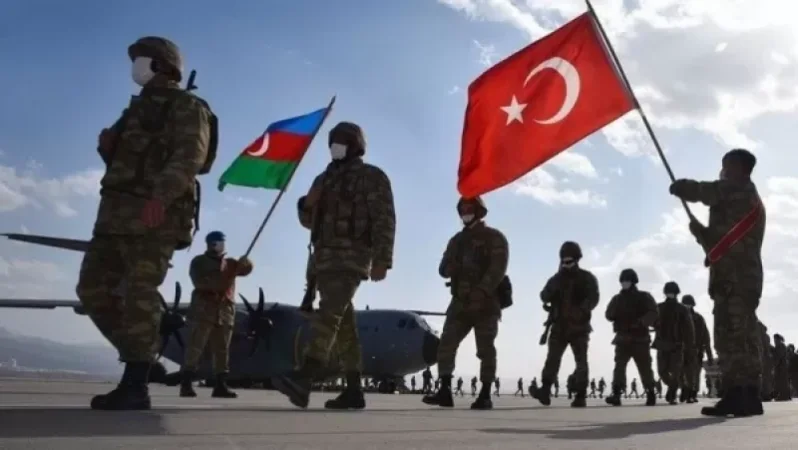
The former Deputy Minister of Defense and Republican Party figure Artak Zakaryan wrote on his Facebook page: "Since the last war in Artsakh, Turkey has been systematically increasing its influence in the South Caucasus and is trying to politically maneuver the region.
Georgia has long been making moves toward the West, particularly towards NATO. NATO has officially announced that it is ready to accept Georgia. The capitulating authorities of Armenia still officially maintain 'good' relations with Russia, but it is evident that there is no complete trust from the Russian side towards the Armenian authorities.
Official Baku is not making outright moves against Russia yet, but is increasingly drawing closer to Turkey. The latest evidence of this is the recent signing of a new Turkish-Azerbaijani military-political declaration in the Armenian city of Shushi, which includes close cooperation in all sectors. Issues regarding the modernization of the armed forces and the increase of military capabilities of the two brotherly countries have been particularly emphasized.
After signing the declaration, Erdogan announced in the Azerbaijani parliament that he would consult with the President of Russia regarding the deployment of a Turkish military base in Azerbaijan. He reaffirmed this statement after returning to Ankara.
Official Moscow has naturally responded to this topic. Russian Foreign Minister Lavrov stated that he does not comment on the rumors circulating regarding this issue, which means that Moscow does not yet take Erdogan's official statement on this idea seriously. In the coming days, Lavrov and Cavusoglu will meet in Antalya and will also discuss existing issues around Artsakh.
If we look at the reality and the facts, Turkish military personnel and aviation have long been present in Azerbaijan. Perhaps in the form of instructors or through exercises that are increasingly frequent on a rotational basis, but nevertheless, they do not leave the territory of Azerbaijan.
On the other hand, the rationale for having a Turkish military base in Azerbaijan seems weak, because at least in the foreseeable future, Azerbaijan’s security is not threatened by anything.
There is also the legal side of the issue, and according to Azerbaijan’s constitution, the deployment of foreign military bases on its territory is prohibited. Of course, this can be changed, but even under the conditions of the Azerbaijani dictatorship, this is not that easy. Therefore, in the grand scheme of things, Moscow will soon be disturbed by both the Turkish military presence around Artsakh and Azerbaijan's consistent tilt and rapprochement towards Turkey, NATO, and the West.
At this point, no steps are visible from the Russian side that would counterbalance Turkey's increasing influence in the South Caucasus and Central Asia. Official Moscow still prefers to wait and refrain from any position.
From the moment Azerbaijan fought alongside the Turkish army against Armenia, a member of the CSTO, and Artsakh, under its guarantee, Baku effectively chose the path of NATO. Moreover, NATO was not opposed to that war, allowing the NATO member Turkish army to fight to the finish against the Armenians.
Any type of Turkish military base appearing in Azerbaijan must undoubtedly be viewed as an expansion of NATO in the zone of Russian strategic interests."
Նմանատիպ հոդվածներ

Ավելին Society բաժնից
ՏԵՍԱՆՅՈՒԹ․ Արտակարգ դեպք՝ Գյումրիում․ որոշ փողոցներ անանցանելի են դարձել
Ռուսաստանի սանկցիաները շարունակվում են, այլընտրանք չկա․ «Հրապարակ»

Օրենքով գող կկալանավորվի. հայտարարվել է հետախուզում